Exploring the Impact of Refrigerator and Freezer Recalls: What Consumers Need to Know
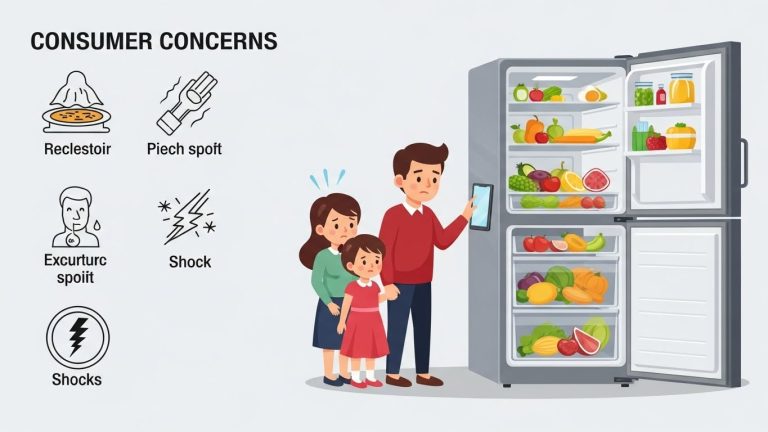
In recent years, the frequency of product recalls has prompted increasing concern among consumers, especially when it comes to home appliances like refrigerators and freezers. This growing trend has not only affected consumer trust but also raised questions about safety and quality standards. This blog post delves into the impact of these recalls, what they mean for consumers, and how to navigate the complexities surrounding them.
Understanding the Reasons for Recalls
Refrigerator and freezer recalls often stem from a variety of issues, ranging from mechanical failures to safety hazards, such as fire risks. Manufacturers may initiate recalls when they identify defects that could lead to injury or property damage. Common reasons include faulty wiring, defective components, and problems with temperature regulation.
One of the most significant factors leading to recalls is design flaws. These flaws can manifest as overheating components, which pose a fire risk, or malfunctioning parts that may cause spoilage of food, resulting in potential health hazards. Understanding these reasons helps consumers grasp the importance of staying informed about recalls.
The Impact on Consumer Safety
Safety is the primary concern when it comes to appliance recalls. A malfunctioning refrigerator or freezer can lead to dangerous situations, such as electrical fires or spoiled food leading to foodborne illnesses. Therefore, recalls are crucial for protecting consumer health and safety.
The Food Safety implications are particularly significant. Faulty appliances that fail to maintain proper temperatures can lead to the growth of harmful bacteria, such as Salmonella or E. coli, in stored food. For families, especially those with children or elderly members, the stakes are high, making it essential to address any recall notices promptly.
Financial Ramifications for Consumers

Beyond safety, recalls can have substantial financial implications for consumers. A recall might necessitate immediate repairs or replacements, potentially leading to unexpected expenses. While manufacturers often bear the cost of repairs or replacements, the inconvenience and potential interim costs, such as buying a temporary appliance, fall on the consumer.
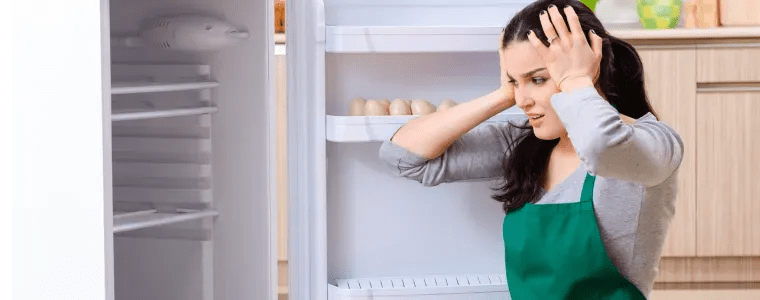
Additionally, food spoilage due to faulty appliances can lead to significant food wastage and financial loss. Consumers may need to dispose of perishable items, which could amount to a considerable expense, particularly for larger households or those with specialized dietary needs.
Navigating the Recall Process
When a recall is announced, it is crucial for consumers to act swiftly. The first step is to verify whether their appliance model is affected. This can be done by checking the manufacturer’s website or official recall announcements from authorities like the U.S. Consumer Product Safety Commission.
Once confirmed, consumers should follow the instructions provided. This typically involves contacting the manufacturer for repair or replacement options. Some companies may offer in-home repairs, while others might require the appliance to be sent to a service center. Clear communication with the manufacturer is essential to ensure a smooth resolution.
Preventive Measures and Consumer Vigilance
While recalls are sometimes unavoidable, consumers can take preventive steps to mitigate risks. Regular maintenance and servicing of appliances can help identify potential issues before they escalate. Additionally, staying informed about energy-efficient models and safety features when purchasing new appliances can minimize the likelihood of encountering defects.
Consumers should also register their products with the manufacturer upon purchase. This ensures they receive timely notifications regarding recalls or safety updates. Being proactive about safety measures and product knowledge can significantly reduce recall-related risks.
The Role of Manufacturers and Regulatory Bodies
Manufacturers and regulatory bodies play a pivotal role in managing recalls. Manufacturers are responsible for monitoring product safety and issuing recalls when necessary. They must ensure transparency and provide clear, accessible information to consumers.
Regulatory bodies, on the other hand, oversee the implementation of safety standards and enforce compliance. They work in tandem with manufacturers to ensure public safety and maintain consumer trust. For instance, the U.S. Consumer Product Safety Commission regularly publishes recall information, helping consumers stay informed.
Conclusion: Staying Informed and Proactive
Refrigerator and freezer recalls highlight the importance of consumer awareness and proactive engagement with product safety. While recalls can be inconvenient and costly, they are essential mechanisms for protecting consumer health and safety. By staying informed and taking preventive measures, consumers can mitigate risks and ensure the longevity and reliability of their appliances.
Ultimately, the key is vigilance and education. Understanding the recall process, maintaining open communication with manufacturers, and regularly updating one’s knowledge about home appliance safety can empower consumers to navigate recalls effectively. As the landscape of home appliance technology continues to evolve, staying informed is more important than ever.
Technological Advancements and Their Role in Reducing Recalls
As technology advances, manufacturers are leveraging innovative solutions to enhance product reliability and reduce the incidence of recalls. Modern refrigerators and freezers are increasingly equipped with smart technology, allowing for real-time monitoring and diagnostics. These features can preemptively alert users to potential issues, such as temperature fluctuations or component failures, before they escalate into serious problems.
Moreover, the integration of the Internet of Things (IoT) in home appliances enables continuous data collection and analysis. Manufacturers can use this data to identify trends or common faults, allowing them to address design flaws and improve future models. This proactive approach not only enhances product quality but also strengthens consumer confidence in the brand.
Consumer Education and Advocacy
Consumer education is a crucial component in dealing with recalls. Organizations and consumer advocacy groups often provide valuable resources and guidance on how to handle recalls effectively. These entities can offer insights into consumer rights, helping individuals understand what to expect from manufacturers during a recall.
Moreover, advocacy groups often lobby for stricter safety regulations and standards, playing a significant role in shaping policy and ensuring that manufacturers prioritize consumer safety. By participating in these educational initiatives, consumers can become more informed and empowered to demand higher standards from manufacturers.
The Psychological Impact of Recalls on Consumers
Beyond the tangible effects, recalls can also have a psychological impact on consumers. The discovery that an essential household appliance poses a potential risk can lead to anxiety and mistrust toward the brand. This emotional response is understandable, as consumers invest not only money but also trust in the products they use daily.
Manufacturers must address this aspect by providing not only technical solutions but also reassurance and support to affected consumers. Clear communication and efficient resolution of recall issues can help rebuild trust and demonstrate a commitment to consumer safety.
Future Trends in Appliance Safety and Recalls
Looking forward, the landscape of appliance safety and recalls is likely to continue evolving. As sustainability becomes a more pressing concern, manufacturers are expected to focus on creating not only safer but also more eco-friendly appliances. This shift may lead to the adoption of new materials and technologies that further minimize the risk of defects.
Additionally, as consumers become more informed and demand higher standards, manufacturers may increase transparency in their production processes and safety testing. This could result in a more collaborative relationship between manufacturers and consumers, where feedback is actively sought and valued.
Overall, the future of refrigerator and freezer safety will likely be characterized by increased innovation, consumer engagement, and a stronger emphasis on both safety and sustainability. By staying informed and proactive, consumers can play a vital role in shaping this future.
Final Thoughts
The impact of refrigerator and freezer recalls extends beyond the immediate inconvenience, touching on aspects of safety, trust, and consumer rights. By understanding the reasons behind recalls and the processes involved, consumers can better navigate these challenges and make informed decisions about their home appliances.
As the industry continues to evolve, embracing new technologies and higher safety standards, the incidence of recalls may decrease, but the need for informed and vigilant consumers will remain. By staying connected to reliable sources of information and participating in consumer education initiatives, individuals can protect themselves and their families from potential risks associated with appliance recalls.
In conclusion, while recalls can be daunting, they also represent an opportunity for learning and growth, both for consumers and manufacturers. By working together and prioritizing safety, the future of home appliances can be one of reliability, innovation, and trust.
Empowering Consumers Through Information
The empowerment of consumers begins with access to accurate and timely information. This empowerment is crucial when dealing with the complexities of appliance recalls. The role of consumer protection agencies and independent review organizations cannot be overstated, as they provide unbiased assessments and updates on the latest recalls and safety notices.
Consumers are encouraged to leverage these resources to stay informed about potential risks associated with their appliances. By doing so, they can take proactive measures to ensure their safety, such as opting for more frequent maintenance checks or choosing to upgrade to newer, more reliable models when necessary.
The Importance of Community and Support Networks
Another valuable aspect of handling appliance recalls is the support found within community and consumer networks. Online forums, social media groups, and local community boards often serve as platforms for sharing experiences and solutions related to recalls and product malfunctions.
Joining these networks can provide consumers with practical advice and reassurance from others who have faced similar situations. Such communities often foster a sense of solidarity and shared purpose, encouraging individuals to advocate for improved safety standards collectively.
Developing a Long-term Safety Strategy
For consumers, developing a long-term strategy for appliance safety is key to minimizing risks associated with recalls. This strategy should include staying updated on the latest safety features and technological advancements in new models, as well as maintaining a regular schedule for appliance servicing and inspections.
Additionally, consumers should consider investing in extended warranties or service contracts, which can offer peace of mind and financial protection in the event of a recall or unexpected breakdown. These measures, combined with a commitment to staying informed, can greatly enhance the safety and reliability of household appliances over time.
Manufacturers’ Commitment to Safety and Innovation
As consumers demand more from their appliances, manufacturers are increasingly focused on safety and innovation. This commitment is evident in the introduction of features such as energy-efficient cooling systems, advanced diagnostics, and the use of sustainable materials.
Manufacturers are also investing in research and development to create more robust products that can withstand various operational stresses, thus reducing the likelihood of recalls. By prioritizing safety and quality, manufacturers can foster greater consumer trust and satisfaction, ultimately benefiting both parties.
Conclusion: A Collective Responsibility
The issue of refrigerator and freezer recalls underscores the collective responsibility of manufacturers, regulatory bodies, and consumers in ensuring product safety and reliability. While manufacturers and regulators play a vital role in implementing and enforcing safety standards, consumers have the power to drive change through informed choices and advocacy.
By understanding the recall process and actively participating in safety initiatives, consumers can help shape a safer, more reliable future for home appliances. As technology continues to evolve, so too will the opportunities for greater safety and efficiency in our everyday lives.
In this dynamic landscape, the cooperation and vigilance of all stakeholders will be essential in building a trusted ecosystem where recalls are rare, and consumer safety is paramount. Together, we can navigate the challenges of recalls and create a home environment characterized by innovation, security, and peace of mind.
About the Author