Energy-Efficient Refrigerators and Freezers: The New Models to Watch Out for This Year
In an era where energy conservation is at the forefront of consumer priorities, the demand for energy-efficient appliances has surged. Refrigerators and freezers, being essential household appliances, play a significant role in energy consumption. Recent advancements have led to the development of innovative models that promise to reduce energy use while maintaining optimal performance. In this comprehensive guide, we’ll explore the latest energy-efficient refrigerators and freezers, highlighting the models that stand out this year.
The Importance of Energy Efficiency
Energy efficiency in appliances is crucial not only for reducing electricity bills but also for minimizing our carbon footprint. Refrigerators and freezers are among the top energy-consuming devices in a home. According to the U.S. Department of Energy, these appliances account for about 6% of the total energy use in typical households. By choosing energy-efficient models, consumers can significantly cut down their energy consumption.
Key Features of Energy-Efficient Models
When selecting an energy-efficient refrigerator or freezer, it’s important to look for specific features that contribute to lower energy use. Here are some key characteristics to consider:
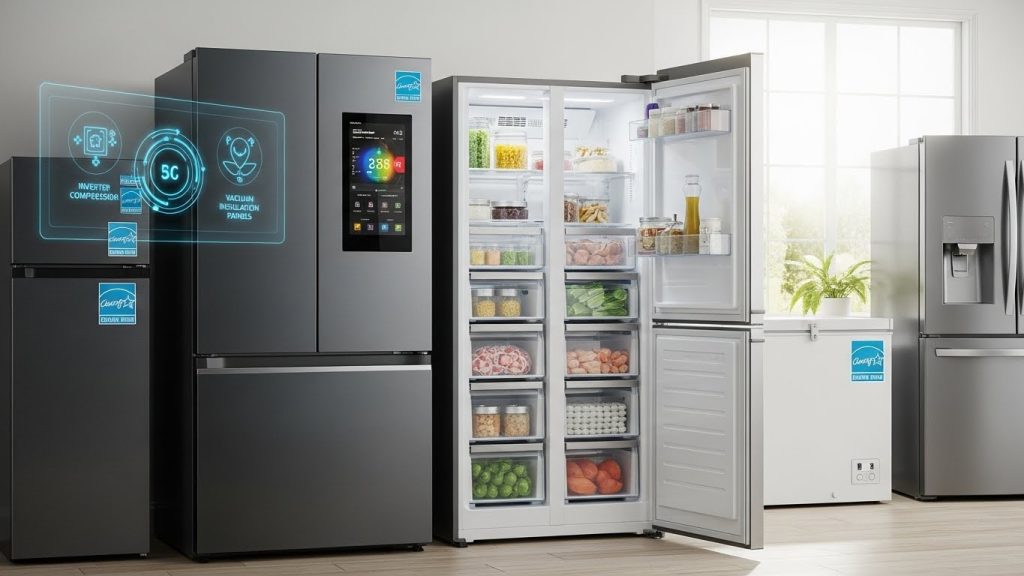
- Energy Star Certification: Appliances with the Energy Star label meet strict energy efficiency guidelines set by the U.S. Environmental Protection Agency. These models use 10-15% less energy than non-certified models.
- Inverter Technology: Incorporating inverter technology allows compressors to run at variable speeds, which can lead to significant energy savings by adapting to the cooling needs of the appliance.
- Advanced Insulation: Better insulation materials reduce the amount of energy needed to keep the internal temperature consistent.
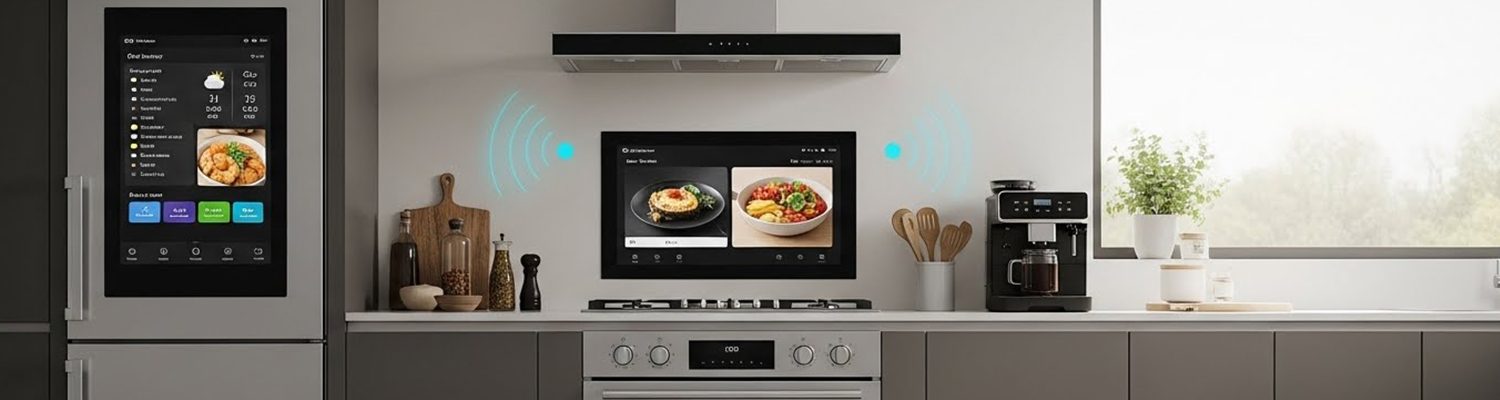
- Smart Features: Smart refrigerators with Wi-Fi connectivity allow users to monitor and control settings remotely, optimizing energy use according to user habits.

Top Energy-Efficient Refrigerators of the Year
This year’s lineup of refrigerators showcases remarkable advancements in energy efficiency. Here are a few models that are making waves:
Samsung BESPOKE Flex Refrigerator
Samsung’s BESPOKE Flex Refrigerator offers customizable panel options and a versatile storage system. It features the innovative Flex Zone, which can be switched between a refrigerator and a freezer. With its smart connectivity and efficient cooling technology, it is designed to reduce energy consumption without sacrificing performance.
LG InstaView Door-in-Door
Known for its unique door-in-door design, the LG InstaView allows users to glimpse inside without opening the door, reducing cold air loss. Its linear compressor technology and energy-efficient LED lighting contribute to its reduced energy consumption, making it a popular choice among eco-conscious consumers.
Whirlpool WRF555SDFZ French Door Refrigerator
The Whirlpool WRF555SDFZ is praised for its spacious interior and advanced cooling technology. It boasts features like adaptive defrost and humidity-controlled crispers, enhancing its energy efficiency. This model also includes the Accu-Chill Temperature Management System, which quickly cools food using minimal energy.
Leading Energy-Efficient Freezers
Freezers, too, have seen significant improvements in energy efficiency. Here are some of the top models to consider:
GE FCM11PHWW Chest Freezer
This GE model is known for its efficient use of space and energy. It features an adjustable temperature control and an interior LED light for easy access. Its energy-efficient compressor ensures that it operates quietly while consuming less power.
Frigidaire FFFU13F2VW Upright Freezer
The Frigidaire FFFU13F2VW is an upright freezer that offers a range of energy-saving features. Its EvenTemp Cooling System maintains a consistent temperature, and its frost-free operation prevents ice buildup, reducing the need for manual defrosting.
Tips for Enhancing Energy Efficiency
While selecting an energy-efficient model is a great start, there are additional steps you can take to maximize energy savings:
- Proper Placement: Position your refrigerator away from heat sources like ovens and direct sunlight to minimize energy use.
- Regular Maintenance: Clean the coils and replace the door seals to ensure optimal performance.
- Optimal Temperature Settings: Set your refrigerator to 37-40°F and the freezer to 0°F for the best efficiency.
- Avoid Overloading: Do not overcrowd the refrigerator or freezer, as this can hinder airflow and increase energy consumption.
Takeaways
Incorporating the latest energy-efficient refrigerators and freezers into your home not only helps reduce your electricity bills but also contributes to a more sustainable future. With advancements in technology and design, these appliances are better equipped than ever to meet the demands of modern households while conserving energy. By considering models with innovative features and certifications, you can make an informed decision that benefits both your wallet and the environment. Keep an eye out for the models mentioned above, as they represent the pinnacle of energy-efficient technology in refrigeration today.
The Role of Government and Regulations
Government regulations play a pivotal role in driving the adoption of energy-efficient appliances. Various incentives and standards have been put in place to encourage both manufacturers and consumers to prioritize energy efficiency. The Energy Star program, for example, not only sets efficiency benchmarks but also provides tax incentives and rebates for purchasing certified appliances. These initiatives aim to make energy-efficient refrigerators and freezers more accessible to a wider audience.
Moreover, the Department of Energy periodically updates efficiency standards for appliances, compelling manufacturers to innovate and produce models that meet or exceed these requirements. This, in turn, promotes a competitive market where the focus is on sustainable and efficient technology.
Technological Innovations on the Horizon
The future of energy-efficient refrigeration is bright, with numerous technological innovations on the horizon. Researchers and companies are exploring new materials and technologies to further enhance efficiency. For instance, vacuum insulation panels are being developed to improve thermal insulation without increasing the bulk of the appliance. Additionally, advancements in magnetic refrigeration offer a promising alternative to traditional compressor-based systems, as they potentially use less energy and are more environmentally friendly.
Smart technology continues to evolve, with AI integration allowing refrigerators to learn user habits and optimize energy use accordingly. Predictive maintenance features, powered by AI, can alert users to potential issues before they become significant problems, ensuring the appliance runs at peak efficiency at all times.
Consumer Considerations and Buying Tips
When investing in a new refrigerator or freezer, it’s essential to consider not just the upfront cost but also the long-term savings associated with energy efficiency. Here are some tips to keep in mind:
- Calculate Lifetime Cost: Look beyond the initial purchase price and consider the appliance’s energy consumption over its expected lifespan. Energy Star models often provide estimated annual energy costs, making it easier to compare options.
- Size Matters: Choose a model that suits your household needs. Larger models may consume more energy, so opt for a size that balances capacity with efficiency.
- Look for the Label: Always check for the Energy Star label or other certifications indicating energy efficiency. These labels ensure the appliance meets strict energy-saving standards.
- Read Reviews: Consumer reviews and expert analyses can provide valuable insights into a model’s performance and reliability.
Conclusion: A Step Towards a Greener Future
The shift towards energy-efficient refrigerators and freezers is a significant step in reducing household energy consumption and promoting environmental sustainability. As technology continues to advance, consumers have access to a wider array of efficient models that do not compromise on performance or convenience. By staying informed about the latest models and innovations, you can make choices that benefit both your home and the planet. Embracing energy-efficient appliances is not just a trend; it’s a crucial component of a greener, more sustainable future.
Whether you are upgrading your kitchen or building a new home, consider the impact of your appliance choices. Together, we can contribute to a more energy-conscious world, one refrigerator and freezer at a time.
Industry Challenges and Overcoming Barriers
While the push for energy-efficient refrigerators and freezers is gaining momentum, the industry still faces several challenges. The cost of developing and manufacturing advanced technologies can be high, often translating to higher retail prices for consumers. However, as demand increases and technology becomes more widespread, economies of scale are expected to bring costs down.
Another challenge is consumer awareness. Many consumers are still unaware of the benefits and availability of energy-efficient models. Education and awareness campaigns are essential to inform consumers about potential savings and environmental benefits. Retailers and manufacturers can play a vital role by highlighting energy-efficient features and providing clear, comparative data on energy consumption.
The Role of Retailers and Manufacturers
Retailers and manufacturers have a significant role to play in promoting energy-efficient appliances. By prioritizing the production and stocking of these models, they can influence consumer behavior and drive the market towards sustainability. Partnerships with environmental organizations can enhance their credibility and reach, encouraging a broader adoption of energy-efficient technologies.
Manufacturers are also exploring sustainable manufacturing practices, reducing waste and energy consumption during the production process. This holistic approach ensures that energy efficiency is considered at every stage, from design to delivery.
Global Perspectives on Energy Efficiency
Energy efficiency is a global concern, and different countries are adopting varied approaches to tackle the issue. In Europe, stringent regulations and incentives have led to a significant reduction in energy consumption from household appliances. The European Union’s energy labeling system is one such initiative that has been instrumental in guiding consumer choices.
Similarly, countries in Asia are rapidly adopting new technologies to improve energy efficiency. Japan, for example, has been at the forefront of developing innovative cooling technologies that promise lower energy use. In emerging markets, the focus is on making energy-efficient appliances affordable and accessible to a broader population.
Future Trends in Energy-Efficient Appliances
Looking ahead, the trend towards smart home integration will continue to grow. Energy-efficient appliances will increasingly be part of a connected ecosystem, allowing for seamless interaction and energy management. The integration of renewable energy sources, such as solar panels, with home appliances is another promising development. This synergy can further reduce reliance on traditional energy sources and enhance overall household energy efficiency.
Another future trend is the development of modular appliances. These customizable units allow consumers to add or remove sections based on their needs, optimizing space and energy use. This adaptability is particularly appealing for urban dwellers with limited space.
Conclusion: Embracing Energy Efficiency
In conclusion, the movement towards energy-efficient refrigerators and freezers is not merely a passing trend but a vital component of sustainable living. With advancements in technology and increased consumer awareness, the future looks promising. By making informed choices and supporting energy-efficient products, consumers can enjoy the dual benefits of cost savings and a reduced environmental impact.
The collaboration between manufacturers, retailers, and policymakers will be crucial in overcoming existing challenges and paving the way for a more energy-efficient world. As we continue to innovate and adopt new technologies, the possibilities for creating sustainable, energy-efficient homes are limitless. Embrace this change, and take a step towards a greener, more sustainable future.
About the Author