The Latest Innovations in Refrigerator and Freezer Technology: A Comprehensive Guide
With the rapid advancement of technology, the realm of home appliances has witnessed significant evolution, notably in refrigerators and freezers. These crucial kitchen components have undergone remarkable transformations, enhancing efficiency, sustainability, and user experience. This comprehensive guide delves into the latest innovations that are reshaping the way we store food, offering insights into the future of refrigeration technology.
Energy Efficiency and Smart Technology Integration
One of the most significant trends in modern refrigerators and freezers is the emphasis on energy efficiency. As environmental concerns grow, manufacturers are integrating smart technologies to reduce energy consumption. Smart refrigerators now come equipped with sensors and AI that optimize cooling based on the contents and usage patterns. These advancements not only cut down electricity bills but also contribute to a sustainable environment.
Moreover, the integration of IoT (Internet of Things) allows users to control and monitor their appliances remotely. Through smartphone applications, you can adjust temperature settings, receive alerts for maintenance, and even get notifications if the door is left open. This level of connectivity enhances convenience and ensures the long lifespan of these appliances.
Advanced Cooling Technologies
Refrigerators and freezers have seen the introduction of advanced cooling technologies designed to preserve food longer and fresher. Innovations such as multi-air flow systems distribute cold air evenly, maintaining a consistent temperature throughout the compartments. This prevents hot spots and ensures that perishable items are kept at optimal conditions.

Another breakthrough is the dual evaporator systems which use separate cooling mechanisms for the refrigerator and freezer. This system prevents odor transfer and maintains humidity levels, essential for preserving different types of food. By keeping the air moist in the fridge and dry in the freezer, these appliances ensure better food preservation.
Eco-Friendly Refrigerants and Materials
The shift towards eco-friendly refrigerants is another significant innovation. Traditional refrigerants have been identified as harmful to the ozone layer, prompting a move towards alternatives with lower environmental impact. Modern refrigerators now use hydrofluorocarbons (HFCs) or even natural refrigerants like R600a (isobutane), which have minimal global warming potential.
Additionally, manufacturers are utilizing sustainable materials in the construction of these appliances. From recycled plastics to energy-efficient LED lighting, every component is designed with environmental impact in mind. These green innovations not only appeal to eco-conscious consumers but also adhere to stringent government regulations on environmental protection.
Design and Customization
Gone are the days when refrigerators were merely functional. Today’s models boast sleek designs and customizable features that cater to diverse consumer preferences. The introduction of modular refrigerators allows users to adjust compartments and storage options based on their specific needs. Whether it’s additional freezer space or a beverage center, these customizable features offer unparalleled flexibility.
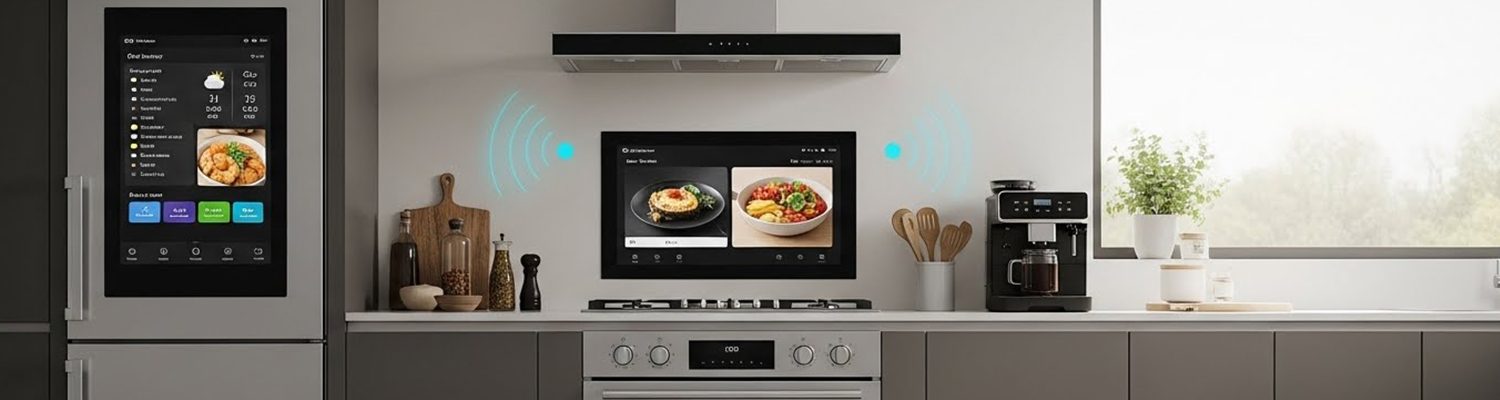
Smart displays and touchscreens are becoming standard, providing users with recipes, shopping lists, and even entertainment options. Some models feature transparent doors or cameras inside, allowing users to see the contents without opening the door, thus conserving energy and maintaining temperature stability.
Health and Hygiene Features
In response to increasing health consciousness, many modern refrigerators now come equipped with advanced filtration systems that purify air and water. These systems eliminate bacteria, odors, and impurities, ensuring that the food remains fresh and safe for consumption.
Moreover, the introduction of anti-bacterial coatings on interior surfaces prevents the growth of harmful microbes, enhancing the overall hygiene of the appliance. These features are particularly beneficial for households with children or individuals with compromised immune systems.
The Future of Refrigerator and Freezer Technology
Looking ahead, the future of refrigeration technology appears promising with potential innovations geared towards further enhancing efficiency and sustainability. Concepts such as thermoelectric cooling and magnetic refrigeration are being explored to replace traditional compressor-based systems, offering quieter and more energy-efficient alternatives.
Additionally, the integration of artificial intelligence and machine learning will allow refrigerators to anticipate user needs, such as suggesting recipes based on available ingredients or optimizing energy consumption during peak hours. These innovations will not only transform the way we use these appliances but also contribute significantly to smart home ecosystems.
Takeaways
In conclusion, the latest innovations in refrigerator and freezer technology are focused on enhancing energy efficiency, sustainability, and user convenience. From smart integrations and advanced cooling systems to eco-friendly materials and health-conscious features, these advancements are revolutionizing the way we preserve food. As technology continues to evolve, we can expect even more groundbreaking developments that will redefine the standards of refrigeration, catering to the ever-changing needs of consumers and environmental demands.
Innovation in Food Preservation Techniques
The latest advancements in food preservation techniques are reshaping the refrigeration landscape. Vacuum-sealed drawers and compartments are becoming popular as they help in extending the shelf life of produce by removing air, which is a primary factor in the degradation process. This technology is particularly useful for preserving meats, dairy products, and fresh vegetables.
Moreover, some refrigerators now feature UV light technology, which helps in killing bacteria and other pathogens present on the surface of stored food items. This innovation not only preserves the freshness of food but also enhances safety by reducing the risk of foodborne illnesses.
Customization Through Modular Configurations
Modular configurations are another exciting development in refrigerator technology. These allow consumers to customize their units according to their storage needs. For instance, a family that consumes more fresh produce than frozen goods might opt for a model with a larger refrigeration section and a smaller freezer.
This flexibility extends to adjustable shelving, which can be rearranged to accommodate larger items or to create more space when needed. Such customization ensures that the appliance adapts to the changing needs of the household, enhancing its practicality and efficiency.
Connectivity and Smart Home Integration
As smart home ecosystems become more prevalent, refrigerators are increasingly being integrated with other smart devices. Through platforms like Alexa or Google Home, users can now interact with their refrigerators via voice commands, adjusting settings or checking the inventory without having to physically open the appliance.
This level of integration is not only convenient but also part of a broader shift towards interconnected home environments. As more appliances become part of the smart home framework, the potential for enhanced automation and energy management becomes even more significant.
Future Trends to Watch
As we look to the future, several trends are poised to further drive innovation in refrigeration technology. One such trend is the development of solid-state refrigeration, which promises to be more energy-efficient and environmentally friendly than traditional methods. This technology leverages advanced materials to cool without the need for compressors, resulting in quieter and more sustainable appliances.
Another promising area is the enhancement of AI capabilities in smart refrigerators. Future models may incorporate features such as personalized dietary recommendations, which analyze the nutritional content of stored items and suggest meal plans accordingly. This could revolutionize meal preparation and promote healthier eating habits.
Final Thoughts
As technology continues to evolve, the possibilities for refrigerators and freezers seem limitless. The ongoing innovations not only focus on improving efficiency and sustainability but also aim to enhance the overall user experience. By incorporating advanced technologies and customizable features, these appliances are set to become even more integral to modern living spaces.
Consumers looking to invest in new refrigeration units should keep an eye on these trends and innovations, ensuring they choose models that align with their needs and environmental values. As the industry progresses, the next generation of refrigerators and freezers promises to offer unprecedented levels of convenience, energy savings, and food preservation capabilities.
Challenges and Considerations
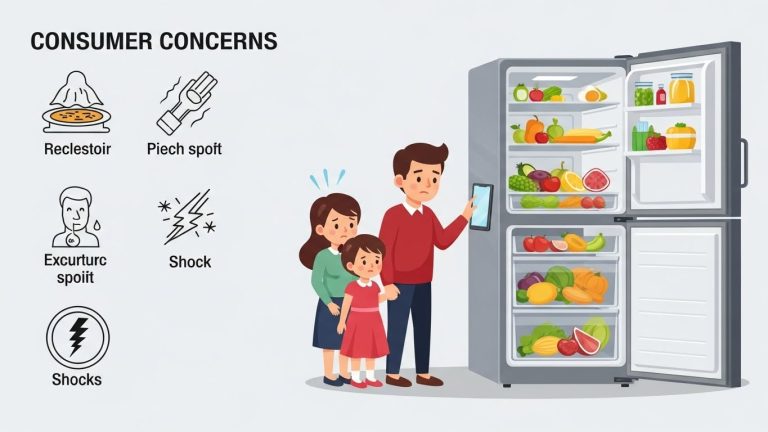
While the advancements in refrigerator and freezer technology are impressive, they come with their own set of challenges and considerations. One of the primary concerns is the cost associated with these high-tech appliances. The integration of smart technology and sustainable materials can significantly increase the purchase price, making them less accessible for budget-conscious consumers.
Additionally, the reliance on technology introduces potential vulnerabilities, such as software glitches or connectivity issues. It’s essential for consumers to ensure they have reliable internet connections and are comfortable with the digital interfaces that accompany these modern appliances.
Maintenance and Longevity
With the added complexity of new technologies, maintenance becomes a crucial factor in the long-term performance of these appliances. Regular software updates and proper care of smart components are essential to prevent malfunctions and extend the lifespan of the unit. Consumers should also consider the availability of skilled technicians who can service these advanced systems.
Manufacturers are responding to these needs by offering extended warranties and robust customer support, ensuring that their products remain in top condition throughout their lifespan. It’s advisable for consumers to inquire about these services when purchasing new units to maximize their investment.
Global Impact and Market Trends
Globally, the market for advanced refrigerators and freezers is expanding rapidly, driven by the increasing demand for energy-efficient and smart appliances. Regions with growing urbanization and technological adoption are experiencing the highest growth rates, as consumers in these areas prioritize convenience and environmental sustainability.
Furthermore, governments worldwide are implementing regulations that encourage the adoption of energy-efficient appliances, providing incentives for both manufacturers and consumers. Policies such as tax rebates and energy credits are becoming more common, further accelerating the transition towards greener refrigeration solutions.
Conclusion: Embracing the Future
In conclusion, the innovations in refrigerator and freezer technology are transformative, offering significant benefits in terms of efficiency, sustainability, and user convenience. As manufacturers continue to push the boundaries of what’s possible, consumers can look forward to appliances that not only meet their daily needs but also contribute to a more sustainable future.
For those considering an upgrade, staying informed about the latest trends and developments is crucial. By choosing appliances that align with their values and lifestyle, consumers can make informed decisions that benefit both their households and the environment.
Ultimately, the future of refrigeration technology is bright, with endless opportunities for innovation that promise to redefine how we interact with our food storage solutions.
About the Author