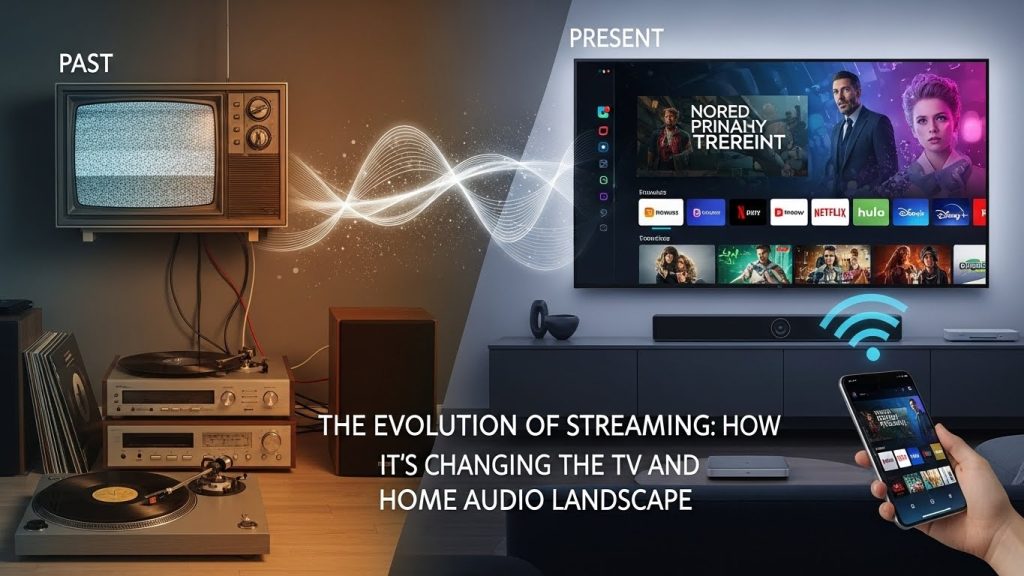
The Evolution of Streaming: How it’s Changing the TV and Home Audio Landscape
The digital revolution has ushered in a new era of how we consume media, with streaming taking center stage. From its humble beginnings as a niche service, streaming has evolved into a dominant force, radically transforming the TV and home audio landscape. This shift has not only changed how we access content but also how we engage with it, fostering a more personalized and immersive experience.
The Rise of Streaming Services
Streaming services have come a long way since the days of buffering videos on early platforms. The advent of high-speed internet and advances in technology have paved the way for a seamless streaming experience. Among the first to capitalize on this trend was Netflix, which began as a DVD rental service before transitioning to a streaming model in 2007. Since then, the landscape has exploded with options, including giants like Disney+, Hulu, and Amazon Prime Video.
These platforms have not only increased accessibility to a vast library of content but have also invested heavily in original programming, leading to a new golden age of television. The rise of streaming services has democratized content creation, allowing creators more freedom and audiences more choice than ever before.
Impact on Traditional TV
The meteoric rise of streaming has significantly impacted traditional television networks. Viewership has steadily declined for cable and satellite TV, as consumers opt for the flexibility and variety that streaming offers. The traditional TV model, with its rigid scheduling and high costs, struggles to compete with the on-demand nature of streaming services. This shift has forced networks to adapt, often by creating their own streaming platforms or partnering with existing ones.

Moreover, streaming has altered the advertising landscape. Unlike traditional TV, where ads interrupt programming, many streaming services offer ad-free experiences or limited commercial interruptions. This has led advertisers to rethink their strategies, often turning to digital platforms for targeted and interactive advertising opportunities.
The Audio Experience in the Streaming Era
While the visual aspect of streaming often takes the spotlight, the audio experience has also seen significant advancements. With the introduction of high-quality audio formats like Dolby Atmos and DTS:X, streaming services are enhancing the auditory aspect of content consumption. These formats provide a more immersive sound experience, replicating the feeling of being in a theater.
Moreover, the integration of voice assistants such as Amazon Alexa and Google Assistant with streaming devices has transformed how users interact with their home audio systems. These technologies allow for voice-controlled playback, smart home integration, and personalized audio settings, enhancing the overall user experience.
Challenges Facing the Streaming Industry
Despite its growth, the streaming industry faces several challenges. One major concern is content saturation. With numerous platforms vying for attention, consumers may feel overwhelmed by the sheer volume of available content. This has led to the phenomenon of “subscription fatigue,” where users become weary of managing multiple services and subscriptions.
Additionally, issues of data privacy and security have come to the forefront as more information is collected from users. Streaming services must navigate these concerns while maintaining user trust and compliance with regulations.
The industry also grapples with the challenge of global expansion. While many services have a strong presence in North America and Europe, penetrating markets in Asia, Africa, and Latin America requires navigating diverse technological infrastructures and content preferences.
The Future of Streaming
As technology continues to evolve, the future of streaming looks promising. Innovations such as 5G and virtual reality (VR) have the potential to redefine the streaming experience. The increased bandwidth and lower latency of 5G will enable more reliable and high-quality streaming, even in areas with less robust infrastructure.
Furthermore, VR and augmented reality (AR) offer exciting possibilities for immersive storytelling, allowing viewers to engage with content in new and interactive ways. While these technologies are still in their infancy, they represent the next frontier in streaming innovation.
Takeaways
The evolution of streaming has fundamentally changed the TV and home audio landscape, offering unprecedented access to content and transforming how we experience media. As streaming services continue to innovate and address challenges, they will likely remain a pivotal part of our entertainment ecosystem. The future promises even more exciting developments as technology and content converge to create richer, more personalized experiences for audiences worldwide.
In this rapidly changing environment, staying informed and adaptable is key for both consumers and industry players. As we look ahead, the potential for further transformation in media consumption is immense, promising a dynamic and engaging future for streaming in the TV and home audio landscape.
Streaming’s Influence on Content Creation
One of the most profound impacts of streaming is its influence on content creation. The traditional barriers to entry in the media industry have been significantly lowered. Streaming platforms are not just distribution channels; they are now key players in content production. This shift has empowered a diverse range of voices and stories that might not have found a place in the conventional TV ecosystem.
These platforms are investing billions in original content, creating opportunities for new and established creators alike. The success of original series like “Stranger Things” and “The Mandalorian” underscores the potential for streaming services to launch cultural phenomena and dictate trends in popular culture.
Furthermore, the data-driven approach of streaming services allows them to tailor content to viewer preferences with remarkable precision. This ability to analyze viewing habits and preferences enables platforms to greenlight projects that are more likely to resonate with audiences, leading to a more personalized and satisfying viewing experience.
The Role of Technology in Streaming’s Evolution
Technological advancements have been instrumental in the evolution of streaming. The shift from physical media to digital has been accelerated by improvements in internet infrastructure and device capabilities. High-speed internet and the proliferation of smart devices have made it easier for consumers to access streaming content anytime, anywhere.
Moreover, advancements in compression technology have allowed for high-quality video and audio streaming with reduced data consumption. This is particularly important for mobile users and in regions where bandwidth is limited. Technologies such as adaptive bitrate streaming ensure a smooth viewing experience by adjusting video quality in real-time based on the viewer’s internet speed.
Cloud computing also plays a critical role, enabling streaming services to efficiently store and deliver vast libraries of content to a global audience. The scalability and flexibility of cloud solutions allow these platforms to handle peak demand periods, such as during the release of a highly anticipated show or movie.
The Impact on Consumer Behavior
The rise of streaming has significantly altered consumer behavior and expectations. Today’s viewers demand instant access to a diverse array of content, and streaming delivers on this promise. Binge-watching has become a cultural norm, with entire seasons released at once to satisfy the appetite for uninterrupted viewing experiences.
This shift has also influenced how content is produced, with many creators designing narratives that cater to binge-watchers, offering intricate storylines and cliffhangers that encourage continuous viewing. Additionally, the convenience of streaming has led to an increase in “cord-cutting,” where consumers opt out of traditional cable in favor of internet-based services.
The trend towards streaming has also impacted social interactions around media consumption. With content available on-demand, viewers are no longer bound to a broadcast schedule, allowing for more flexible viewing times. This flexibility often translates to watching alone, changing the communal experience of television that was once a staple of family and social gatherings.
Streaming and Global Content Accessibility
One of the most transformative aspects of streaming is its ability to bring global content to a worldwide audience. Streaming platforms have made it easier than ever to access international films, TV shows, and music, fostering cultural exchange and understanding. Services like Netflix have capitalized on this by offering a diverse range of foreign-language content, introducing audiences to new genres and storytelling styles.
This increased accessibility has also opened up new markets for content creators from around the world, offering opportunities for cross-cultural collaboration and innovation. For instance, the global success of the South Korean film “Parasite” and the popularity of Spanish series “La Casa de Papel” highlight the growing appetite for international content.
Streaming’s Environmental Impact
While the benefits of streaming are numerous, it’s important to consider its environmental impact. Streaming requires significant energy consumption, primarily from data centers that host content and the networks that deliver it. As the demand for streaming increases, so does the carbon footprint associated with data processing and transmission.
Many streaming companies are taking steps to mitigate their environmental impact by investing in renewable energy and improving the efficiency of their data centers. However, as the industry continues to grow, balancing environmental responsibility with technological advancement remains a key challenge.
Conclusion: The Future of Streaming in TV and Home Audio
The evolution of streaming is an ongoing journey, marked by rapid innovation and adaptation. As the industry continues to grow and mature, it will undoubtedly face new challenges and opportunities. The potential for further integration of emerging technologies such as artificial intelligence and machine learning offers exciting possibilities for personalizing and enhancing the streaming experience.
Ultimately, the future of streaming will be shaped by its ability to adapt to changing consumer preferences, technological advancements, and environmental considerations. As we move forward, the impact of streaming on the TV and home audio landscape will continue to be profound, offering new ways to experience and engage with content in an increasingly connected world.
About the Author