Exploring Connectivity Options
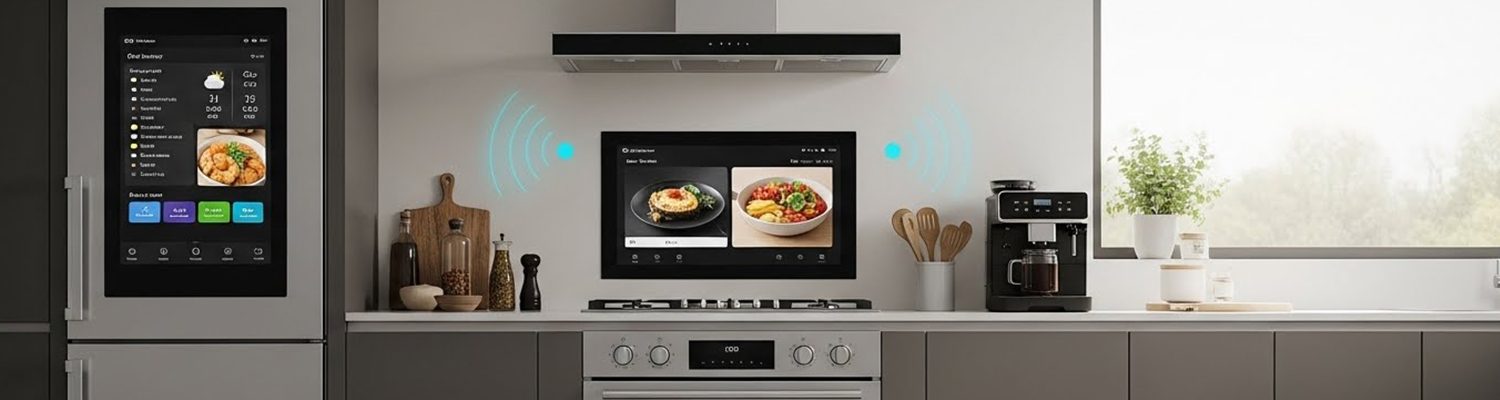
Connectivity is a crucial aspect when choosing between a Smart TV and a standard television. Smart TVs typically offer a wide range of connectivity options including Wi-Fi, Bluetooth, and multiple HDMI ports, allowing seamless integration with various devices and networks. This connectivity empowers users to stream content, share media, and even play games directly on the TV.

Standard televisions, while more limited in connectivity, usually come with essential ports such as HDMI and USB. This setup is sufficient for connecting external streaming devices, gaming consoles, and other peripherals. However, the lack of built-in internet connectivity means that additional equipment will be necessary to access online content.
The Importance of User Interface
The user interface of a television can significantly impact the overall experience. Smart TVs often boast intuitive, user-friendly interfaces that make navigation through apps and settings a breeze. With features like voice control and personalized home screens, Smart TVs offer a streamlined experience that caters to modern viewing habits.
Standard televisions, though simpler in functionality, benefit from straightforward interfaces that prioritize ease of use. For individuals who find the complexity of smart interfaces overwhelming, a standard TV provides a no-frills, hassle-free option.
Customization and Personalization
Smart TVs offer a high degree of customization and personalization, allowing users to tailor their viewing experience. From selecting preferred streaming services to creating watchlists and profiles, Smart TVs cater to individual preferences and habits. This personalization is further enhanced by machine learning algorithms that recommend content based on viewing history.
In contrast, standard televisions do not offer the same level of customization, as they lack the software infrastructure to support such features. However, the simplicity of a standard TV can be appealing to those who prefer a straightforward viewing experience without the need for continual updates and changes.
Evaluating Audio Quality
Audio quality is another important consideration when choosing between a Smart TV and a standard television. Many Smart TVs come equipped with advanced audio technologies, such as Dolby Atmos or DTS:X, delivering immersive sound experiences that complement high-definition visuals. The integration of smart speakers and soundbars can further enhance audio quality.
Standard televisions may not offer the same level of audio sophistication. However, connecting external speakers or a sound system can enhance the audio output, providing a satisfactory auditory experience for most users.
Final Considerations: Warranty and Support
When investing in a new television, warranty and customer support are essential factors to consider. Smart TVs, with their complex systems, may require more technical support and maintenance compared to standard TVs. Checking the warranty terms and available support options can provide peace of mind and protect your investment.
Standard televisions, with their simpler technology, tend to have fewer technical issues and may not require as extensive support. However, it is still advisable to review warranty options to ensure coverage for any potential damages or defects.
Wrapping Up Your Television Choice
Ultimately, the decision between a Smart TV and a standard television comes down to your unique needs and preferences. By carefully considering the features, functionalities, and limitations of each option, you can make an informed decision that aligns with your lifestyle and enhances your home entertainment experience. Whether you value the cutting-edge capabilities of a Smart TV or the simplicity and reliability of a standard television, there is a perfect option out there to meet your needs.
As the landscape of television technology continues to evolve, staying informed and adaptable will ensure that your choice remains relevant and fulfilling for years to come.
About the Author