The Rise of Smart Refrigerators: A Revolution in Brazilian Homes
Updated: April 9, 2026
Introduction to Smart Refrigeration
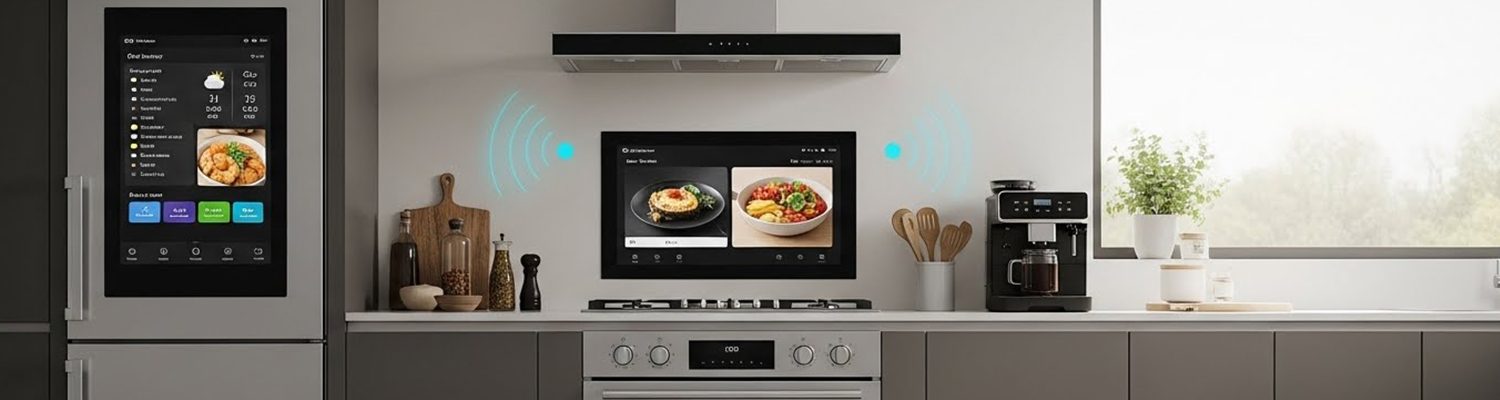
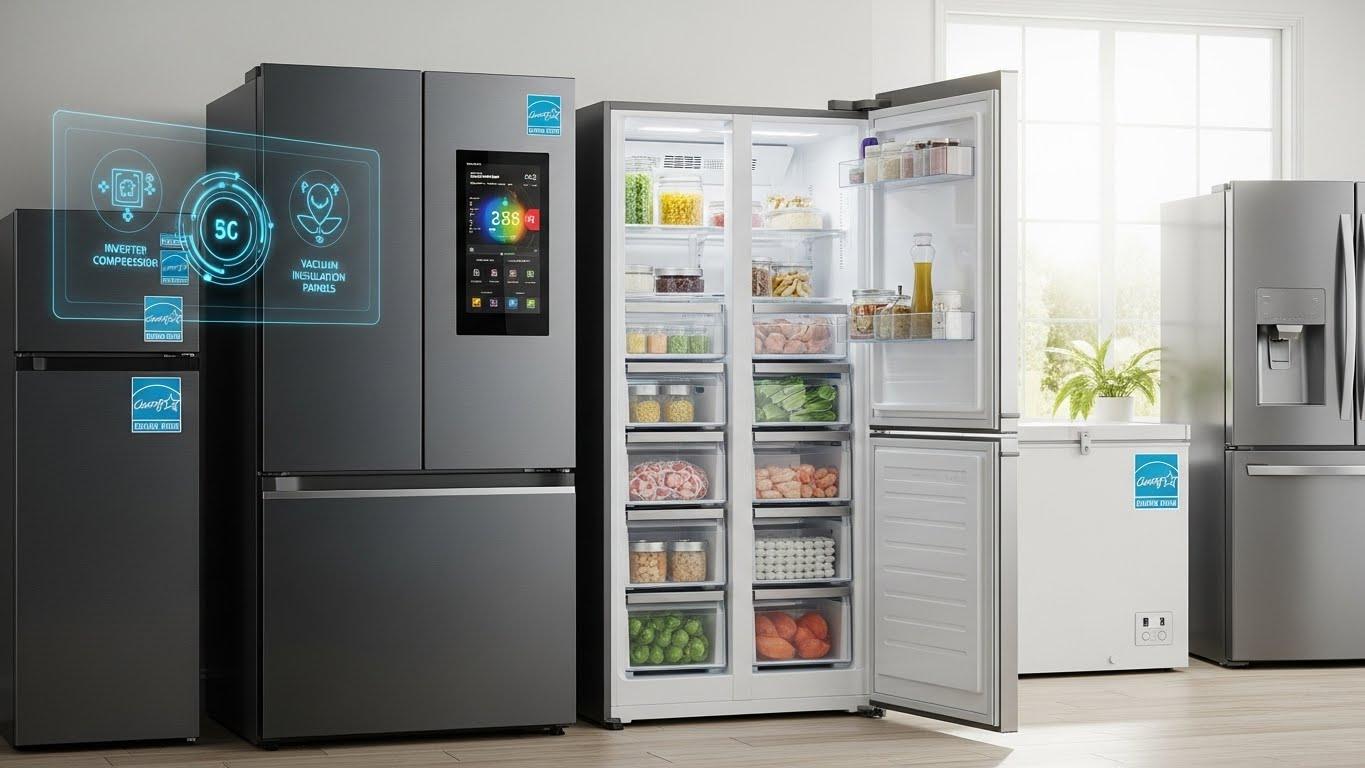
The appliance industry in Brazil is undergoing a significant transformation as smart refrigerators are increasingly taking center stage. With the integration of artificial intelligence, cameras, sensors, Wi-Fi connectivity, and inverter compressors, these modern appliances are not only enhancing convenience but also promoting sustainability.
The Shift from Traditional to Smart Refrigerators
Traditional refrigerators are slowly being phased out as consumers become more aware of the benefits offered by their smart counterparts. Recent data indicates that smart refrigerators have jumped from 3% to 10% of total refrigerator sales in Brazil. This shift is largely attributed to a heightened emphasis on energy efficiency and the reduction of food waste—issues that resonate with environmentally conscious consumers.
Features of Smart Refrigerators
Smart refrigerators are equipped with an array of advanced features that set them apart from conventional models. Key characteristics include:
- AI Integration: These refrigerators utilize artificial intelligence to learn user habits, optimizing energy use and food storage.
- Built-in Cameras: Cameras allow users to view their refrigerator’s contents remotely via smartphone apps, making grocery shopping more efficient.
- Sensors: Sensors monitor temperature and humidity, ensuring optimal conditions for food storage.
- Wi-Fi Connectivity: The ability to connect to the internet enhances functionality, including software updates and remote diagnostics.
- Inverter Compressors: These compressors adjust their speed based on cooling demand, significantly lowering energy consumption.
Economic Implications
Brazilian companies, particularly Whirlpool S.A., are at the forefront of this technological revolution. As the Brazilian arm of a major U.S. appliance manufacturer, Whirlpool has invested heavily in the development of smart appliances, anticipating increased demand. This strategic move positions Whirlpool as a key player in the burgeoning smart appliance market, attracting potential investors who see the long-term benefits of innovation in household technology.
Consumer Benefits and Environmental Impact
For consumers, the switch to smart refrigerators translates into practical benefits. Not only do these appliances help in managing food inventory more effectively, but they also contribute to reduced energy bills. The inverter technology, in particular, plays a pivotal role in lowering electricity consumption, which is a significant concern in Brazil where energy costs can be high.
On an environmental level, smart refrigerators help to minimize food waste—a critical issue as approximately 30% of food produced globally is wasted. By providing users with better visibility of their food supplies and reminders for expiration dates, these appliances can lead to better consumption habits.
Challenges and Considerations
Despite the benefits, several challenges accompany the adoption of smart refrigerators. High initial costs may deter some consumers, and the reliance on technology raises concerns about data privacy and security. As these appliances collect and store user information, manufacturers must ensure robust security measures to protect against potential data breaches.
Conclusion
The rise of smart refrigerators marks a significant shift in Brazil’s appliance market. As advanced technologies become more integrated into daily life, consumers are likely to embrace these innovations for their convenience and sustainability benefits. While there are challenges to navigate, the trend towards smart appliances is set to redefine how Brazilians interact with their kitchen technology.
Takeaway
As smart refrigerators grow in popularity, consumers should explore options that meet their needs for efficiency and sustainability. Investing in these advanced models may not only enhance convenience but also contribute to long-term savings and environmental benefits.
Source Context
For further insights into the appliance industry in Brazil and the rise of smart technologies, check out the following resources: