Smart Appliances Surge: Electronics Home Appliances Brazil
Updated: April 9, 2026
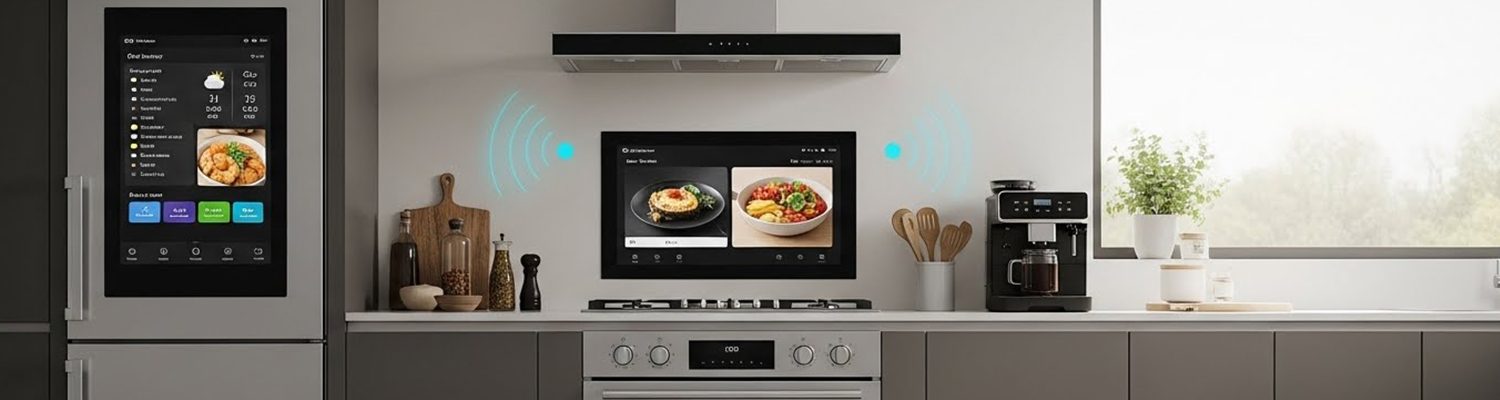
Brazil’s consumer market is undergoing a notable shift in electronics Home Appliances Brazil as smart, connected devices move from niche to mainstream. Advances in sensors, connectivity and energy-efficient hardware are changing how households shop for long-lived goods like refrigerators, washing machines and ovens.
Market snapshot: adoption and competitive landscape
Recent industry signals indicate rapid acceleration in demand for intelligent appliances. Smart refrigerators — equipped with cameras, internal sensors, Wi‑Fi and inverter compressors — have seen their share of sales increase substantially in the last year, reflecting greater consumer interest in food-management features and lower lifetime energy costs. Global brands with strong distribution footprints in Brazil, along with locally focused operations of multinational manufacturers, are competing for market share.
Companies that combine broad service networks with targeted product innovation tend to perform better in Brazil’s diverse geography. Urban markets show higher uptake of connected features, while price sensitivity and after-sales support remain decisive purchase drivers in smaller cities and rural areas.
Technology driving the shift: what matters to Brazilian buyers
Several technological trends underpin the transition away from traditional models. First, smarter refrigeration systems use cameras and inventory-tracking software to reduce waste and manage grocery lists — features that resonate with time-poor families and sustainability-minded consumers. Second, inverter compressors and better insulation deliver clear energy-savings, an important selling point in a market where electricity costs are a frequent consumer concern.
Connectivity is another critical element. Appliances that communicate via Wi‑Fi or a home hub enable remote diagnostics and software updates, which can reduce downtime and service visits. That capability is especially attractive in Brazil, where logistical challenges make efficient maintenance networks a competitive advantage.
How manufacturers and retailers are responding
Major manufacturers are adapting strategies to local realities. On the product side, companies are tailoring features and price points: offering mid-tier smart models that balance connected functionality with affordability, and premium models that focus on energy performance and integrated ecosystems. On the commercial side, brands are expanding financing options, extended warranties, and subscription-style services to lower the entry barrier for consumers.
Retailers and e‑commerce platforms are also shifting their messaging. Product comparisons increasingly highlight lifecycle costs and connectivity benefits rather than just capacity or color. After-sales service remains a differentiator — brands that invest in fast, reliable field support win more repeat customers in regional markets.
Regulatory and infrastructure considerations
Policy and infrastructure will shape adoption curves. Incentives for energy-efficient appliances, clearer standards for smart-device interoperability, and investments in broadband access can accelerate uptake. Conversely, inconsistent warranty enforcement and fragmented repair ecosystems can hinder consumer confidence. For suppliers, investing in technician training and spare-part availability in secondary cities is as important as innovation in product design.
Actionable Takeaways
- Prioritize energy performance: promote inverter compressors and energy labels to highlight long-term cost savings to buyers.
- Offer tiered smart features: introduce mid-range connected models for price-sensitive consumers and premium models for tech-forward households.
- Build robust after-sales: expand technician networks and spare-part logistics to improve reliability and trust outside major cities.
- Leverage financing and bundles: reduce purchase friction with installment plans and service bundles that include installation and diagnostics.
- Educate consumers: use clear comparisons showing waste reduction, app benefits, and total cost of ownership to drive informed purchases.
Implications for buyers and industry players
For consumers, the shift means more options to lower energy bills and manage household food resources, but also a need to weigh connectivity benefits against higher upfront prices and potential data‑privacy considerations. For manufacturers and retailers, the market rewards a balanced approach: innovate where features deliver measurable savings or convenience, while keeping price and serviceability front of mind.
Local assembly and targeted marketing campaigns that account for regional income differences can help bridge the affordability gap and accelerate acceptance. Partnerships between manufacturers, utilities and retailers to offer rebates or bundled energy‑saving programs may also unlock larger segments of the market.
Source Context
The analysis above draws on recent company announcements and market reporting that highlight strategic growth in key markets, shifts in consumer adoption toward AI‑enabled refrigeration, and the role of major brands operating in Brazil. For further reading: