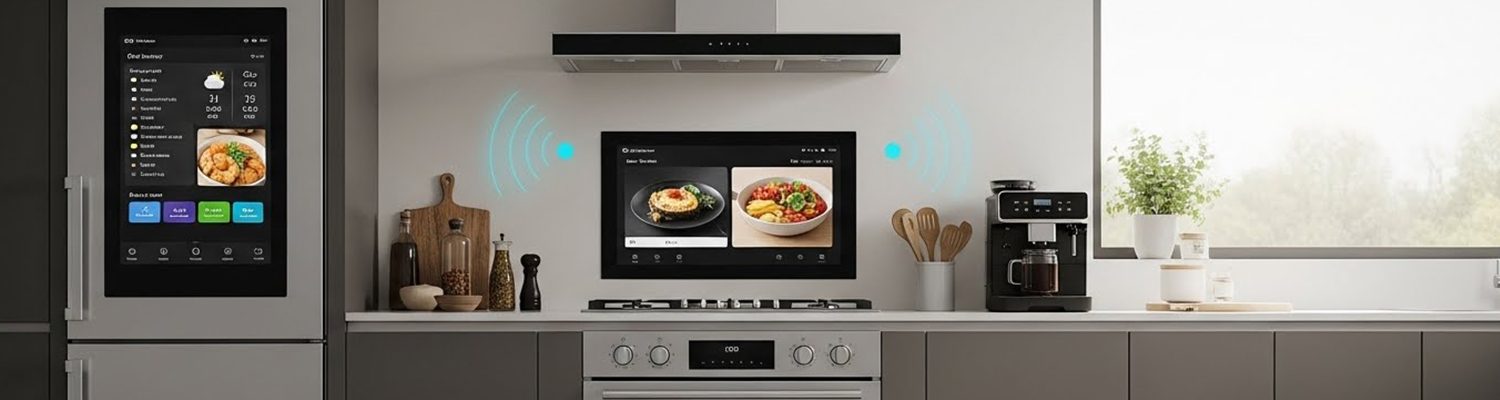

Brazilian living room featuring modern smart appliances and energy-efficient devices.
Updated: April 9, 2026
In Brazil, households face a complicated equation: climate risk, a tightening energy grid, and a rapid urban shift. This analysis investigates how these forces are shaping more Home Appliances Brazil, guiding practical choices for durability, efficiency, and resilience in everyday use.
Climate risk and the Brazilian home appliance market
From the humid coast to the dry interior, weather patterns matter for what families buy and how appliances perform. Flood-prone cities push demand for water-resilient washers, sealed refrigeration, and devices with robust ingress protection. Beyond immediate weather events, chronic moisture and heat stress can shorten the life of electronics, motivating brands to elevate protective enclosures, sensors, and service networks. In practical terms, consumers increasingly weigh warranty terms, replacement parts availability, and the ability to repair rather than replace after a flood or blackout.
Manufacturers responding to this reality tend to emphasize components with corrosion resistance, sealed control boards, and simple, modular designs that local service teams can fix quickly. Retailers, too, are curating ranges that emphasize longevity, not just upfront price. In the Brazilian market, the path to resilience often intersects with urban planning—where dense housing, limited storage space, and electricity interruptions converge to shape demand for compact, efficient, and backup-ready appliances.
Energy reliability, grid stress, and appliance design
Brazil’s energy grid faces volatility, driven by seasonal demand, drought-influenced hydropower, and aging infrastructure. For households, that translates into surges and outages that threaten refrigerators, freezers, and temperature-controlled devices. Appliance makers have responded with inverter technology, variable-speed compressors, and surge-tolerant controllers that maintain performance while reducing peak consumption. Consumers increasingly seek appliances with energy labels that reflect real-world usage, as well as configurations that can run on solar power or a small backup battery system during outages. These design choices are not merely technical; they alter household economics, as lower running costs translate into longer-term savings that compound across several devices.
In mid-sized Brazilian cities, retailers report growing interest in solar-ready refrigerators and water heaters, as well as smart plugs and energy monitors that help families manage bills. The practical upshot is a shift from single-feature emphasis (price or capacity) to an integrated view of reliability, maintenance, and total cost of ownership. For apartments and homes prone to outages, modularity and easy parts replacement provide a clearer path to long-term value than high-end features alone.
Consumer behavior and the shift toward durable, efficient models
Urban growth, evolving lifestyles, and the cost of electricity push Brazilian households toward durable, energy-efficient models. Buyers increasingly compare total life-cycle costs, not just sticker prices, and place higher value on brands with broad service networks and readily available parts. This broad trend interacts with financing options, soft credit lines, and retailer packages that bundle installation, warranties, and after-sales care. In this context, the phrase more Home Appliances Brazil takes on practical meaning: consumers want a cohesive set of appliances—refrigeration, washing, cooking, and climate control—that work together reliably, reduce energy waste, and fit into smaller urban living spaces. The outcome is a market that rewards modular systems, easy-to-repair components, and clear maintenance schedules as much as capabilities like smart home integration.
At the household level, educated buyers weigh the compatibility of devices with local service ecosystems: what parts are stocked regionally, how quickly technicians can respond, and whether extended warranty packages cover typical Brazilian urban wear and tear. Retail data show a preference for brands that demonstrate after-sales support, accessible replacement parts, and transparent energy performance metrics. In other words, durability and serviceability are becoming as important as features such as connectivity or app-based controls.
Policy signals and market opportunities
Policy signals around energy efficiency influence what appears on store shelves. Brazilian standards and labeling, such as INMETRO’s energy performance criteria, help shoppers distinguish models that will perform well under variable grid conditions. Governments that tie efficiency upgrades to local manufacturing incentives can encourage brands to invest in Brazil-based assembly and parts supply, reducing downtime for repairs and cutting long-term costs for households. For manufacturers, this creates opportunities to tailor products to Brazilian climate zones, housing types, and credit ecosystems, while for consumers it translates into more predictable maintenance costs and longer appliance lifecycles.
Meanwhile, the push toward distributed energy resources—home solar, storage, and microgrids—creates a market for appliances designed to weather outages without compromising safety. This convergence of policy, technology, and consumer demand positions the Brazilian home appliances sector to expand thoughtfully, rather than through abrupt shifts in pricing or availability.
Actionable Takeaways
- Prioritize appliances with strong water and dust protection (IP ratings) and look for brands that offer readily available repair parts in your region.
- Choose models with inverter or variable-speed compressors to reduce electricity use during outages and peak hours.
- Consider solar-ready configurations or backup power options for refrigerators and essential climate-control devices in areas with frequent outages.
- Evaluate total cost of ownership, including warranties, after-sales service, and expected lifespan, not just upfront price.
- Stay informed about local energy-efficiency programs and label standards to guide smart buying decisions.