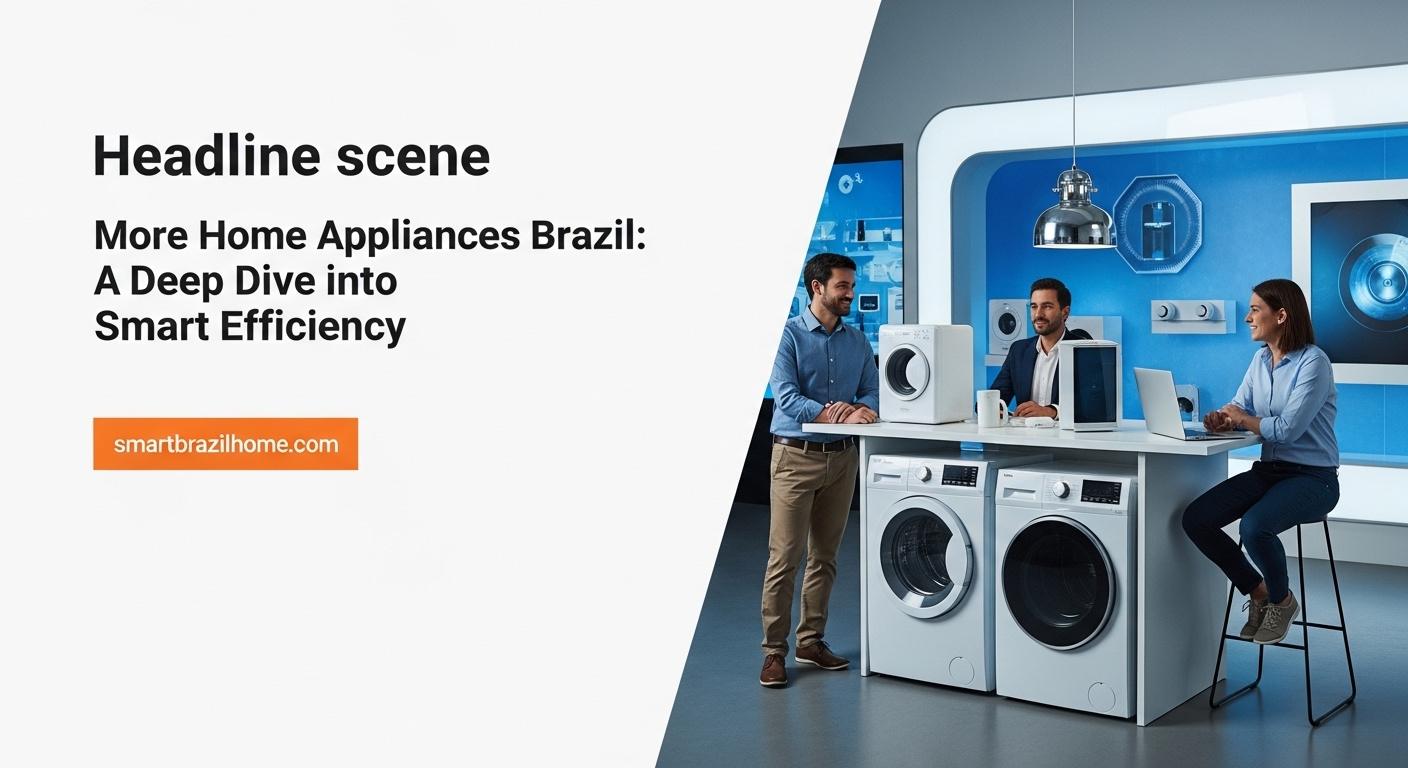
Brazilian living room with smart appliances and urban backdrop
Updated: April 9, 2026
Across Brazil, the conversation around zawya-pressr Home Appliances Brazil frames a deeper inquiry into how energy rules, consumer budgets, and smart features are reshaping what families buy, who they trust, and how retailers price and stock goods.
Market Signals in Brazil’s Home Appliance Space
Market signals point to a market in transition rather than a simple growth story. Inflation, currency volatility, and import costs continue to press on consumer prices for large-ticket items such as refrigerators, washers, and air conditioners. Yet, consumer interest in energy efficiency and connected devices is growing, supported by labeling programs and the presence of multinational manufacturers expanding in Brazil. ZAWYA reports indicate that LG Electronics is intensifying its presence in key strategic markets, a trend that reverberates through Brazilian retail and after-sales networks. For Brazilian brands and retailers, the challenge is balancing price sensitivity with longer-term savings from efficient equipment, especially as financing options evolve and e-commerce expands access to more households.
Consumer Behavior Shifts and Appliance Choices
Urban households in major cities show a shift toward compact spaces and multi-functional appliances. The appeal of smart features—remote monitoring, energy dashboards, and usage analytics—has increased, but affordability and warranty reliability remain decisive. In remote areas, durable, serviceable models with robust spare parts networks still win. The Brazilian market also shows a disconnect between advertised energy labels and real-world performance, underscoring the need for transparent testing. Retailers are experimenting with installments and subscription-based care plans, which can tip the balance for first-time buyers considering a refrigerator or a washing machine.
Supply Chains, Energy Standards, and the Smart Home Push
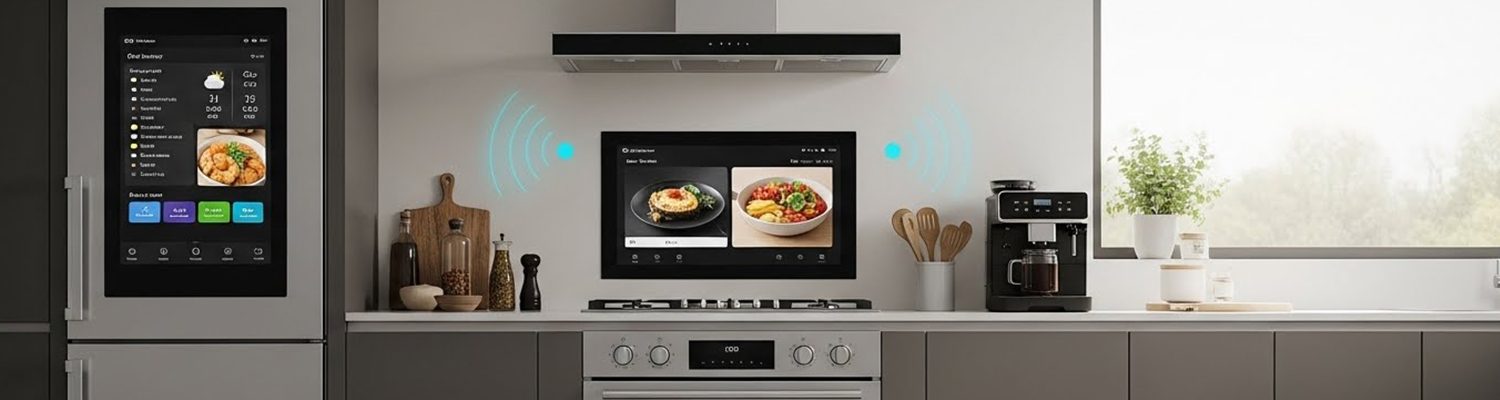
Global supply chains, especially for semiconductors and compressors, continue to shape product availability and pricing. Brazil’s energy standards, including Inmetro and Procel labeling, influence the mix of appliances sold domestically and shape which models exporters target. The push toward smart homes is strongest in urban centers, where fiber connectivity and smartphone control enable remote operation of heating, cooling, and appliances, aligning with a broader regional trend toward digital household management. LG’s ongoing investments overseas create a testing ground for features such as predictive maintenance and cloud-based energy management, which could eventually materialize in Brazilian product lines through distributors and local assembly partners.
Policy and Market Impacts
Policy signals matter as import costs, tax schemes, and energy subsidies can sway consumer decisions and retailer margins. With a cautious macro environment, policymakers may prefer stable incentive structures that keep energy-saving appliances accessible to middle- and lower-income households. For manufacturers, a predictable regulatory baseline reduces the risk of price volatility and supply interruptions. In this climate, market players that blend strong service networks with clear energy-efficiency advantages are better positioned to win share, even as competition intensifies from regional and local brands vying for shelf space in Brazil’s sprawling retail system.
Actionable Takeaways
- Retailers should prioritize energy-efficient, connected models and invest in after-sales service networks to reassure buyers in a price-conscious market.
- Manufacturers should diversify supply chains for core components and align product labeling with Inmetro/Procel standards to minimize compliance risk.
- Financing options and clear warranty terms can unlock demand for big-ticket appliances in lower- and middle-income segments.
- Policymakers should maintain stable labeling rules and energy incentives to support long-term savings for households while keeping consumer prices predictable.
- Consumers should compare long-term energy costs, service availability, and warranty coverage when choosing refrigerators, washers, or air conditioners.
Source Context
Context and related coverage from industry outlets: LG Electronics accelerates growth in key strategic markets — ZAWYA and LG Electronics accelerates growth in key strategic markets – ZAWYA (full article).
From an editorial perspective, separate confirmed facts from early speculation and revisit assumptions as new verified information appears.
Track official statements, compare independent outlets, and focus on what is confirmed versus what remains under investigation.
For practical decisions, evaluate near-term risk, likely scenarios, and timing before reacting to fast-moving headlines.
Use source quality checks: publication reputation, named attribution, publication time, and consistency across multiple reports.
Cross-check key numbers, proper names, and dates before drawing conclusions; early reporting can shift as agencies, teams, or companies release fuller context.