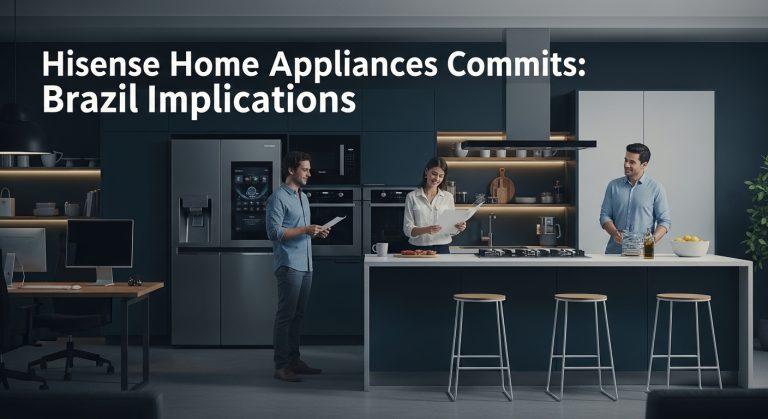

Brazilian living room with smart appliances and urban backdrop
Updated: April 9, 2026
Brazil’s kitchens and laundry rooms are entering a recalibration phase as demand intertwines with energy costs and new product features, a dynamic best understood through zawya-pressr Home Appliances Brazil as a frame for analysis.
Market Context
Brazil remains the largest consumer market for household appliances in Latin America, underpinned by a growing urban middle class, stable housing demand, and a shift toward larger, more energy-efficient units. In recent years, inflation and currency volatility compressed household budgets, but demand for reliable and efficient appliances has proved more resilient than in many other sectors. Retail paths are diversifying: traditional department stores and specialist electronics outlets coexist with rapid growth in online marketplaces that offer price transparency, doorstep delivery, and financing options. The expansion of e-commerce has reshaped promotions, with brands seeking direct-to-consumer exposure and extended warranties, while retailers leverage data to tailor assortments to city cores like São Paulo and Rio de Janeiro. Macro catalysts—employment gains, easier access to credit, and consumer confidence—help households upgrade major appliances on multi-year cycles, even as price sensitivity remains high for entry-level segments. Energy costs are a salient driver: buyers increasingly seek models with better insulation, inverter compressors, and smarter controls to reduce running expenses, a trend reinforced by labeling schemes and efficiency standards that influence perceived value.
Global brands, including LG Electronics, continue to shape competition by balancing scale with after-sales networks and local partnerships. In this context, manufacturers are competing not only on feature sets but also on reliability, service coverage, and long-term total cost of ownership. The policy environment and market infrastructure support investments in smart, durable appliances, even as import costs and logistics considerations press manufacturers to optimize supply chains and localize assembly where feasible. Overall, the market shows a cautious but persistent trajectory toward higher quality and more connected home devices, with consumers weighing upfront price against lifetime energy costs and service experiences.
Consumer Trends in Brazil
Brazilian households increasingly view major appliances as long-term investments rather than one-off purchases. Urban dwellers, smaller family units, and rising single-person households drive demand for compact, efficient, and easy-to-integrate devices. Buyers show a growing appetite for smart features—remote monitoring, energy use dashboards, and compatibility with voice assistants—yet price remains a key constraint in the mid-market segment. Retailers and manufacturers respond by offering financing bundles, extended warranties, and convenient installation services to ease purchase decisions. A stronger focus on after-sales support and spare parts availability helps brands differentiate in a crowded market where consumer loyalty often hinges on reliability and service quality. While premium models with advanced connectivity attract attention in major cities, a sizeable portion of sales still occurs through affordable lines that deliver demonstrable energy savings and dependable performance in climates with high humidity and varying electrical stability.
Additionally, the push for energy efficiency intersects with housing stock realities: older homes may require retrofits or simpler, more robust appliances that tolerate inconsistent power supply. In response, retailers emphasize energy labels and performance metrics in marketing while providing in-store education for first-time buyers, renters, and first-time homeowners. As consumer expectations evolve, brands that offer transparent energy performance data, durable warranties, and localized service networks will likely gain greater traction with both middle- and lower-income households seeking better value over time.
Supply Chain and Energy Efficiency
Global supply chain dynamics continue to influence the Brazilian market, with lead times and component availability affecting inventory planning and price stability. Import dependence for key components—semiconductors, compressors, and control boards—means fluctuations can translate into longer delivery windows and occasional product shortages. This reality nudges manufacturers toward regional assembly or more aggressive local partnerships to shorten time-to-market, while preserving price discipline. Energy efficiency remains a central battleground: INMETRO’s labeling framework and the national Procel program shape consumer expectations and brand positioning. Appliances that deliver meaningful operating cost savings tend to command stronger buyer interest and can justify higher upfront prices. Utilities and regulators increasingly tie financing incentives and consumer education to efficiency improvements, creating a virtuous cycle where better-performing appliances reduce system stress during peak demand periods and support grid stability. For brands, the challenge is balancing upfront cost with long-term savings, while ensuring spare parts availability and service networks that keep high-efficiency models running at scale.
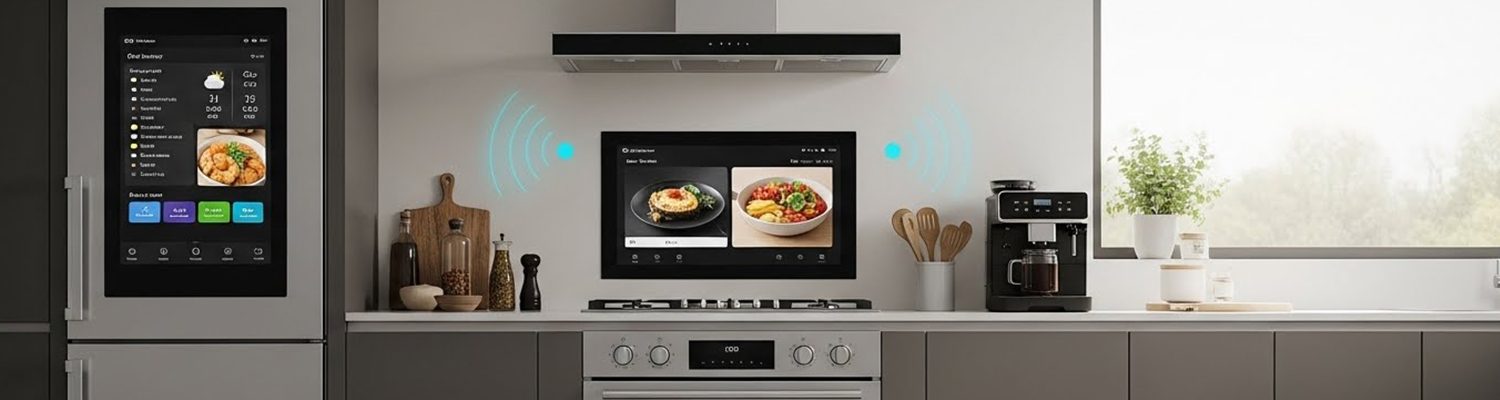
Beyond hardware, the ecosystem around home automation and connectivity expands the addressable market for smart appliances. Brazilian households show rising interest in devices that can be monitored remotely, scheduled for off-peak operation, or integrated with energy management apps. Retailers that blend product performance storytelling with clear energy economics stand to win loyalty as the market matures into a more value-driven phase.
Policy Environment
Policy and regulatory developments shape both the demand side and the supplier landscape. Brazil’s energy-label regime and ongoing updates to energy efficiency standards influence model choices and advertising claims. Regulators encourage transparency on energy consumption and total cost of ownership, pushing brands to provide clear, verifiable data. Tax policy, import regulations, and incentives for local manufacturing also affect the cost structure and timing of product introductions. Financing initiatives, consumer credit availability, and warranty standards further impact purchase behavior, particularly for mid- to low-income households seeking to upgrade to more efficient models without incurring unaffordable monthly payments. In this environment, successful entrants will align product portfolios with local regulatory expectations, emphasize service capacity, and build flexible financing options to maintain momentum across diverse Brazilian regions.
Actionable Takeaways
- Prioritize energy-efficient models with strong Procel/INMETRO ratings and clear lifetime cost savings in marketing materials.
- Strengthen after-sales networks and spare-parts supply to support durability and customer trust, especially in urban centers outside primary metros.
- Leverage multi-channel distribution, combining online promotions with brick-and-mortar demonstrations to address price sensitivity and help consumers experience smart features firsthand.
- Offer accessible financing packages and extended warranties to reduce upfront barriers for mid-market buyers and first-time homeowners.
- Monitor regulatory updates on labeling and import policies, adapting product assortments and pricing strategies accordingly.
Source Context
Source Context links provide background on recent market dynamics and corporate activity driving the Brazilian home appliances sector. For related industry coverage, see: