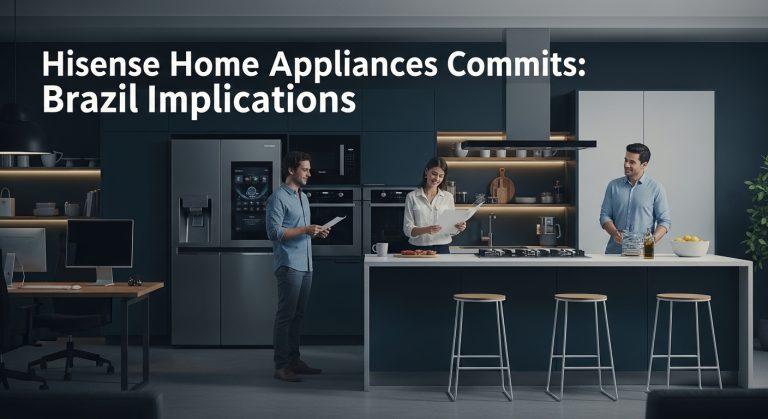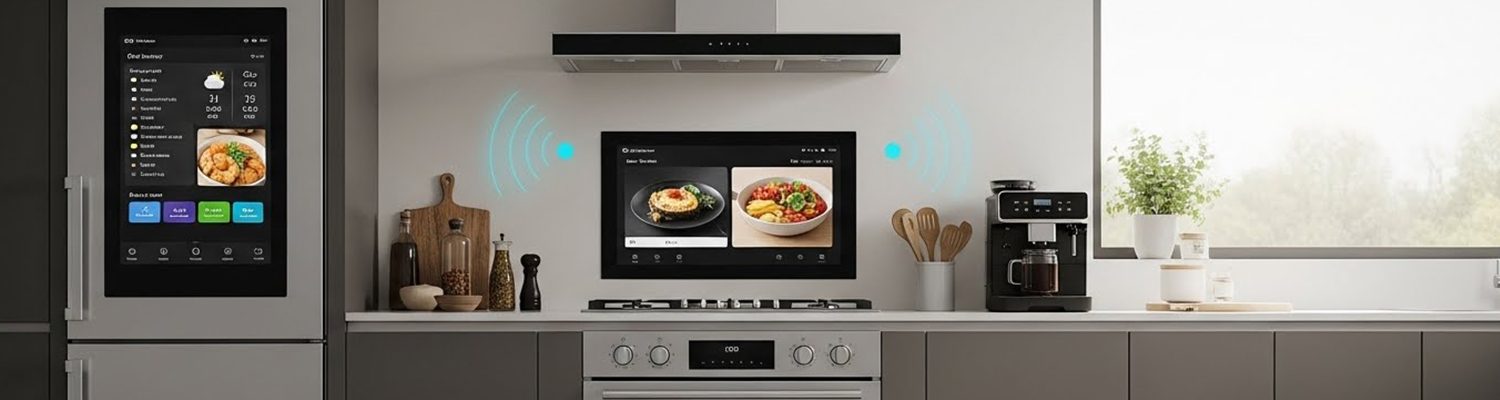

Smart home appliances in a Brazilian living room, highlighting connected devices and energy-efficient technology.
Updated: April 9, 2026
Across Brazil, electronics Home Appliances Brazil markets are evolving as households calibrate comfort, efficiency, and connectivity. Brazilians increasingly seek energy‑savvy refrigerators, washers, air conditioners, and smart kitchen devices that blend performance with lower operating costs. This analysis traces the forces—economic conditions, credit access, policy signals, and shifting retailer strategies—that push families toward more capable, better‑fitting devices and push manufacturers toward local relevance and reliable after‑sales networks.
Market landscape and consumer behavior
Brazil’s macroeconomic backdrop remains a key dial that shapes demand for home appliances. Inflation volatility, credit access, and interest rates influence when and what households buy. In urban centers, a growing middle class combines aspirational purchases with practical needs: energy efficiency, reliable warranty coverage, and the convenience of digital controls. Data shows that households are not simply upgrading devices; they are upgrading the way they manage energy, with smart plugs, connected thermostats, and app‑based monitoring becoming common entry points for new buyers.
The consumer segment is increasingly mixed. Younger urban buyers value compact, multifunction devices and the ability to monitor usage remotely, while older households prioritize service networks, durable build, and easy repair. Across Brazil, retailers that connect financing options, in‑store demonstrations, and clear energy‑saving claims tend to outperform peers who push price only. The result is a market where product features—load capacity, noise levels, and energy labels—become as important as brand names.
Supply chains, policy, and price dynamics
Import policies and currency fluctuations continue to ripple through price and availability. Brazil’s electronics sector depends on overseas manufacturing, with local assembly and port logistics shaping how quickly products reach shelves. When the real weakens, import costs climb, and price windows shrink for mid‑range models. Conversely, strong domestic demand and improved logistics can compress trade‑offs, enabling promotions on new models. Policymakers and regulators—particularly INMETRO’s labeling standards and consumer protection rules—affect how brands communicate efficiency and warranty terms. Retail competition is increasingly about service networks; brands that invest in nationwide support, spare‑parts availability, and responsive customer care gain loyalty beyond the initial sale.
Manufacturers also weigh scale and proximity to major metros. A player like LG Electronics has pursued expansion in key markets through regional partnerships and localized service footprints, signaling a broader shift toward Brazil‑focused go‑to‑market strategies. For consumers, this translates into more reliable after‑sales experiences and access to newer technologies without lengthy delays.
Energy efficiency and smart home adoption
Energy costs are a recurring purchase driver, and Brazil’s energy mix and tariff structure heighten the appeal of efficient appliances. The rising availability of refrigerants with lower global warming potential, and the adoption of more stringent energy‑efficiency labeling, are nudging buyers toward A and B class appliances in refrigerators, washers, and air conditioners. At the same time, smart‑home platforms—from voice assistants to mobile apps—are lowering the friction of automation. Even in markets with modest upfront budgets, modular upgrades—smart thermostats, intelligent outlets, and energy‑monitoring meters—are creating stepping stones to full appliance modernization. The scenario is not without friction: loan terms, warranty coverage, and the reliability of service networks influence the perceived payback of higher‑priced devices. In cities with robust broadband and retailer exposure to digital channels, consumers blend discounts with financing to upgrade multiple rooms in a single season.
Actionable Takeaways
- For shoppers: prioritize energy efficiency labels, estimate long‑term operating costs, verify warranty terms, and confirm service coverage in your region before purchasing major appliances.
- For retailers: reinforce financing options, clearly communicate potential energy savings, and invest in nationwide after‑sales support and in‑store demonstrations to build trust.
- For manufacturers: expand local service networks, ensure spare parts availability, and align product certifications with INMETRO standards to speed time‑to‑market and improve reliability.
- For policymakers: pursue incentives for high‑efficiency appliances, fund e‑waste recycling programs, and streamline import processes for essential components to stabilize pricing and availability.
Source Context
From an editorial perspective, separate confirmed facts from early speculation and revisit assumptions as new verified information appears.