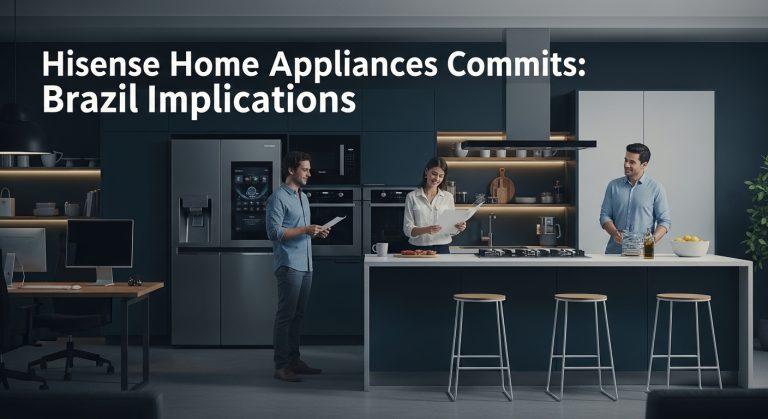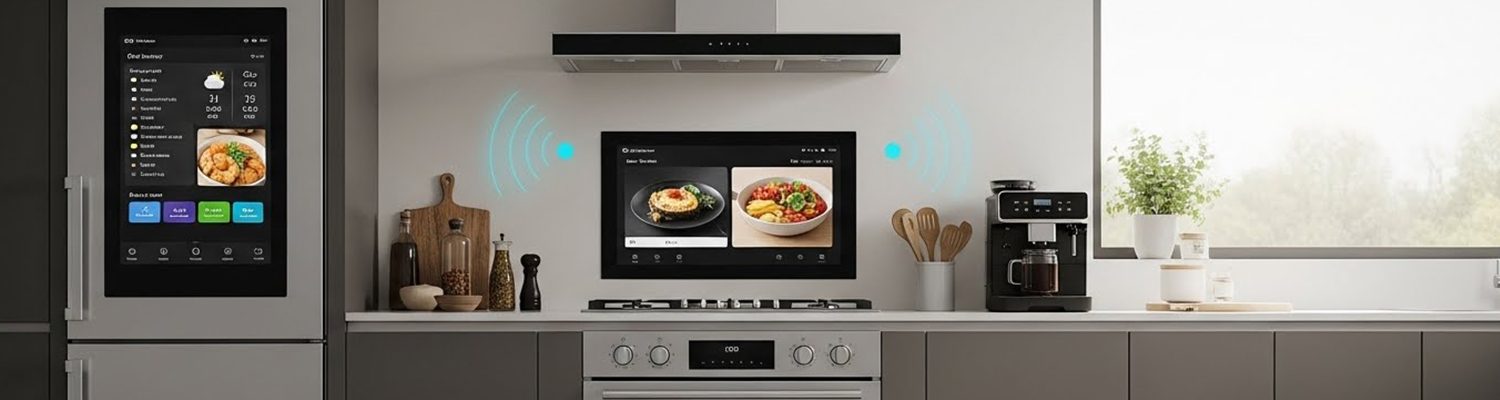

Interior view of a Brazilian kitchen with smart home appliances.
Updated: April 9, 2026
The electronics Home Appliances Brazil segment is entering a phase of recalibration as households seek efficiency, reliability, and connected convenience in a landscape of rising energy costs and urban living pressures.
Market momentum and consumer behavior
Brazilian households increasingly value energy efficiency and long-term value in major appliances. Demand flows from energy tariffs, evolving finance options, and urban living patterns that favor compact, connected devices. Retailers report that feature sets—such as inverter motors, smart thermostats, and app-based controls—drive higher consideration because they promise lower operating costs and greater convenience. This trend is not purely aspirational: manufacturers are reframing entry points with tiered pricing, financing, and after-sales service bundled into one package, making premium-efficient models accessible to a broader base. The result is a shift in purchase cycles toward mid-to-high-efficiency appliances, even as overall household budgets tighten in inflationary periods.
Supply chains, manufacturing, and regional dynamics
The Brazil market sits at the intersection of global supply pressures and local realities. Currency volatility, import duties, and a growing push for local assembly shape price and availability. While imports continue to fill gaps in segments like high-end refrigerators and connected ovens, a rising preference for locally assembled units reduces lead times and supports warranty coverage. Logistics networks in Brazil—especially for remote regions—affect delivery speed and after-sales support, turning service quality into a competitive differentiator. In this environment, resilient supplier partnerships and diversified sourcing strategies help retailers maintain stock of popular models while managing price volatility for consumers.
Technology adoption and user expectations
Smart features attract attention, but the Brazilian consumer expects practical benefits: reliable connectivity, language-appropriate interfaces, and straightforward maintenance. Appliances that integrate with widely used mobile platforms and local voice-automation options gain traction, provided privacy and data-use practices are transparent. Energy monitoring dashboards, adaptive cycles, and remote diagnostics have moved from novelty to practical value with clear payback in electricity bills and extended product lifespans. For manufacturers, success hinges on robust Portuguese-language support, regional warranty coverage, and compatibility with the country’s electrical standards and plug types.
Policy and market operators
Policy signals—energy-efficiency labeling, incentives for efficient appliances, and import rules—shape what products arrive on store floors and how they are priced. Retail chains increasingly prioritize after-sales networks, training for technicians, and consumer education to help buyers maximize energy savings and device longevity. In this environment, brands that demonstrate transparent performance data, credible warranties, and a local service footprint are more likely to win trust and market share in Brazil’s dynamic home-appliances landscape.
Actionable Takeaways
- Prioritize energy-efficient models with clear payback narratives to align with higher electricity costs and consumer budgets.
- Invest in local service networks and language-specific support to strengthen after-sales trust and reduce fault-associated churn.
- Leverage financing partnerships and transparent warranties to expand access to mid-to-high-end appliances.
- Tailor product portfolios to urban Brazilian needs, emphasizing compact designs, smart integration, and robust warranty coverage.
- Monitor currency and supply-chain signals to time promotions and stocking for peak seasonal demand.
Source Context
From an editorial perspective, separate confirmed facts from early speculation and revisit assumptions as new verified information appears.
Track official statements, compare independent outlets, and focus on what is confirmed versus what remains under investigation.
For practical decisions, evaluate near-term risk, likely scenarios, and timing before reacting to fast-moving headlines.
Use source quality checks: publication reputation, named attribution, publication time, and consistency across multiple reports.
Cross-check key numbers, proper names, and dates before drawing conclusions; early reporting can shift as agencies, teams, or companies release fuller context.
When claims rely on anonymous sourcing, treat them as provisional signals and wait for corroboration from official records or multiple independent outlets.
Policy, legal, and market implications often unfold in phases; a disciplined timeline view helps avoid overreacting to one headline or social snippet.
Local audience impact should be mapped by sector, region, and household effect so readers can connect macro developments to concrete daily decisions.