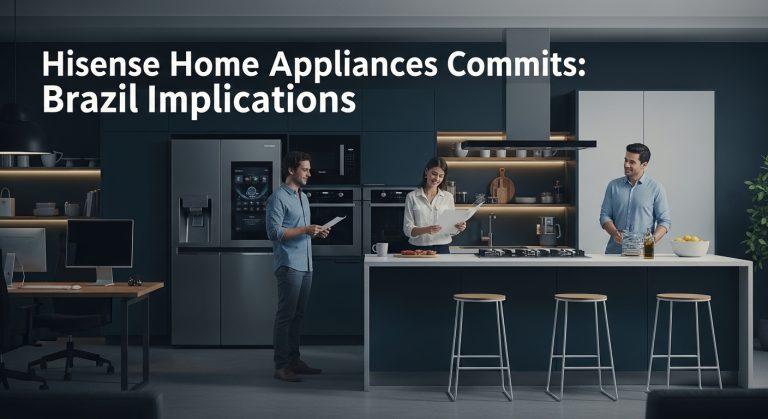

Brazilian kitchen with smart home appliances
Updated: April 9, 2026
Across Brazil’s households, electronics Home Appliances Brazil stands at a crossroads of affordability, energy policy, and digital convenience. This analysis examines how macroeconomic pressures, retailer strategies, and consumer expectations are shaping the trajectory of household appliances, from refrigerators with smart features to washers that optimize water use. The goal is to translate broad market signals into practical guidance for families and businesses alike.
Market dynamics shaping electronics Home Appliances Brazil
Brazil’s appliance market has long mirrored the country’s urbanization, rising household formation, and the steady expansion of the middle class. Today, however, the pace of change is driven by three intertwined forces. First, inflation and financing conditions influence when and what households purchase, nudging many buyers toward mid-range, reliable models with predictable running costs rather than top-tier flagship devices. Second, the growth of e-commerce and omnichannel retail has compressed delivery times and expanded access to promotions, helping households compare energy use, warranty terms, and after-sales service across a wider set of brands. Third, supply chains—especially for imported components and microelectronics—have become more resilient but still sensitive to global disruptions. In this environment, the mix shifts toward appliances that deliver real, measurable savings on energy and water, while also offering a connected experience that simplifies daily life. Manufacturers are responding with more modular platforms, allowing updates via software, and with models sized for Brazilian homes, where room constraints and electricity demand patterns vary across regions. The result is a market that rewards durability, serviceability, and clear total-cost-of-ownership narratives as much as initial sticker price.
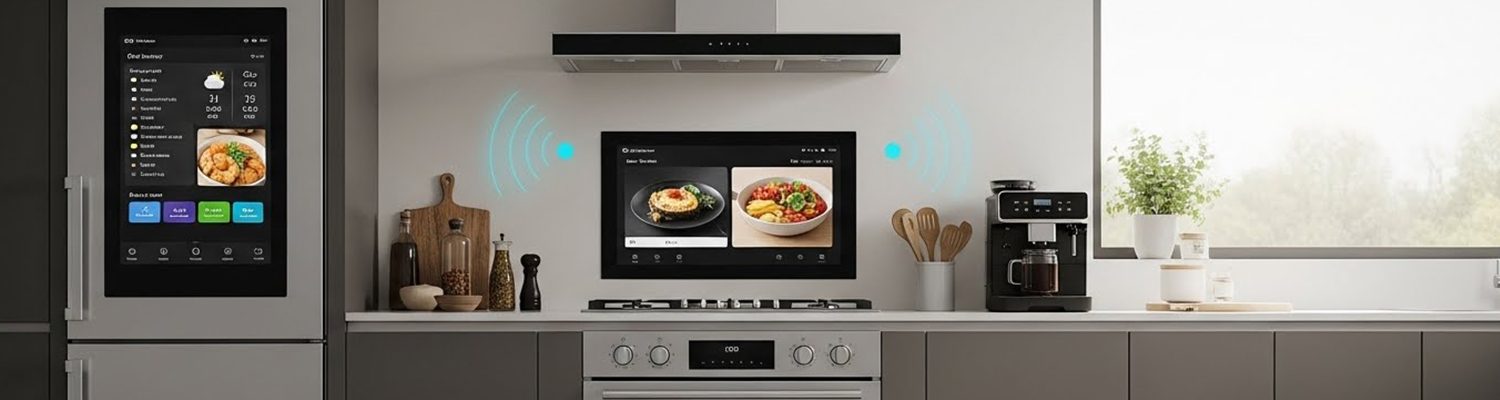
From a consumer standpoint, the calculus increasingly centers on energy efficiency and the long-term operating costs of a given appliance. A modern Brazilian kitchen may feature a refrigerator with variable-speed compressors and smart diagnostics, a washing machine that minimizes water use and integrates with mobile apps, and a stove that communicates with a home hub to optimize energy expenditure. These devices promise lower monthly bills and better performance, but they also require confidence in a brand’s repair network and software update cadence. Retailers are responding by bundling energy-efficient models with extended warranties, in-house financing, and after-sales plans, creating a value proposition that blends upfront price with ongoing savings. In short, electronics Home Appliances Brazil is moving toward a lifecycle approach where performance, maintenance, and support strategies become as important as purchase price.
Policy, energy efficiency, and trade implications
Policy signals matter as much as price signals in shaping purchasing patterns. Brazil’s energy efficiency framework, including labeling and performance standards, nudges buyers toward appliances that use less electricity and water. When retailers and manufacturers align product lines with these standards, they reduce the risk of obsolescence and price penalties, while also appealing to buyers who want predictable energy bills. Trade and import policies add another layer of complexity. Tariffs, local-content requirements, and incentives for domestic fabrication influence the availability and price of popular models. In practice, these dynamics can widen the price gap between entry-level products and more capable, energy-efficient units, at least in the short term, until local production scales up and supply chains become more agile. For households, the policy landscape translates into a pragmatic choice: favor devices with proven energy performance, robust warranties, and easy access to authorized service centers, even if the sticker price is modestly higher upfront.
Retailers and manufacturers also adapt by emphasizing local support ecosystems—spare parts availability, technician networks, and remote diagnostics—that reduce downtime and maintenance costs. As financing ecosystems mature, some buyers may opt for installment plans that align monthly costs with energy savings, effectively turning efficiency into a cash-flow decision. For policymakers, the challenge is to sustain progress on efficiency while keeping imported goods competitive and ensuring that domestic suppliers participate in value chains that meet regional demand. The outcome will likely hinge on the balance between policy certainty, currency stability, and the speed with which local manufacturing and logistics networks can scale to meet demand across Brazil’s diverse regions.
Technology trends and consumer behavior in households
Technology is altering what households expect from home appliances. Smart devices—refrigerators that track inventories, ovens that optimize cooking cycles, washers that analyze fabric types—are becoming more common and affordable, especially as microelectronics and sensor costs decline. The appeal is twofold: convenience and visibility. Consumers want to monitor energy use in real time, receive maintenance alerts, and control appliances remotely via smartphones or voice assistants. This shift, however, places emphasis on data security and user trust. Brands that can demonstrate transparent data practices and robust update cycles will build longer-lasting relationships with customers. From a behavioral standpoint, replacement cycles are evolving. Rather than swapping appliances purely on the basis of age, households are now evaluating total cost of ownership, warranty coverage, and service experience. The result is a market where reliability and post-sale care can rival, or even surpass, initial price considerations when customers decide whether to upgrade.
Regional differences in climate and housing stock also shape product choices. In hotter areas, energy efficiency and heat-management features gain prominence, while in more urban areas with tighter spaces, compact, multi-function units attract interest. Online reviews and influencer content increasingly guide decisions, but so do in-person demonstrations at retailers and extended trial periods. In this environment, the most successful brands will blend on-line education with tangible in-store experiences, ensuring that customers can test performance, warranty terms, and service access before committing to a purchase.
Strategic opportunities for retailers and manufacturers
For manufacturers, the Brazil market offers a path to profitability through a combination of local market intelligence, flexible production, and service-centric design. Local assembly or near-shoring can mitigate currency risk and reduce lead times, while partnerships with banks or fintechs can expand financing options for consumers who might otherwise delay purchases. Product portfolios that emphasize energy efficiency and smart functionality tend to resonate with both climate-conscious buyers and tech enthusiasts, creating cross-segment appeal. Retailers benefit from a multi-channel strategy that integrates online shopping, in-app experiences, and brick-and-mortar demonstrations. A strong service network becomes a differentiator in a market where after-sales care directly influences brand loyalty and word-of-mouth recommendations. Beyond product features, retailers should cultivate clear, easy-to-understand total-cost-of-ownership messaging, showing how energy savings, maintenance costs, and warranty protections add up over the life of an appliance. Finally, collaboration between manufacturers, retailers, and energy programs can unlock incentives for consumers while accelerating the adoption of high-efficiency devices across Brazilian households.
In practice, a successful approach combines regionally tailored product lines with scalable service platforms and transparent financing options. Companies that invest in technician training, spare-parts logistics, and remote diagnostics position themselves to minimize downtime and maximize customer satisfaction. This is particularly important in Brazil’s diverse market, where urban centers demand rapid response times and remote areas require more robust distribution networks. The upshot is a market where the most durable competitive advantages come from a holistic view of product performance, service quality, and consumer trust rather than a single-price advantage.
Actionable Takeaways
- Prioritize energy-efficient, IoT-enabled models to align with policy incentives and rising consumer interest in running costs.
- Strengthen after-sales networks and warranties to differentiate in a crowded market and reduce downtime concerns for busy households.
- Diversify distribution through online platforms and in-store experiences to reach Brazil’s varied urban and rural customers.
- Monitor currency trends and import policies to optimize sourcing, pricing, and local assembly opportunities.
- Offer financing options that couple appliance purchases with energy savings analyses to support value-based decisions.
Source Context
Contextual industry coverage informs this analysis and provides additional perspectives on regional market dynamics.