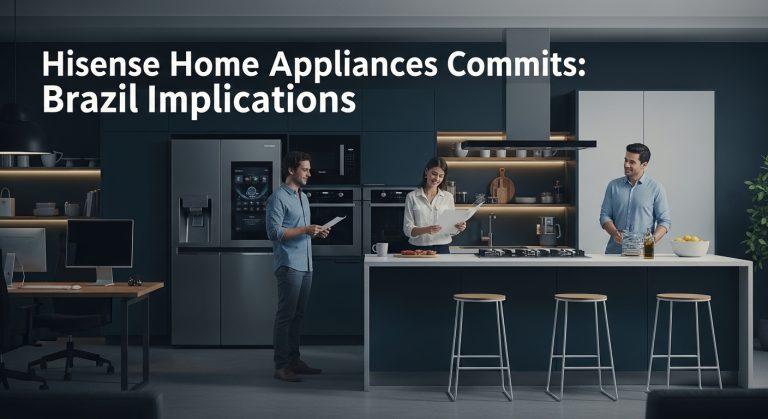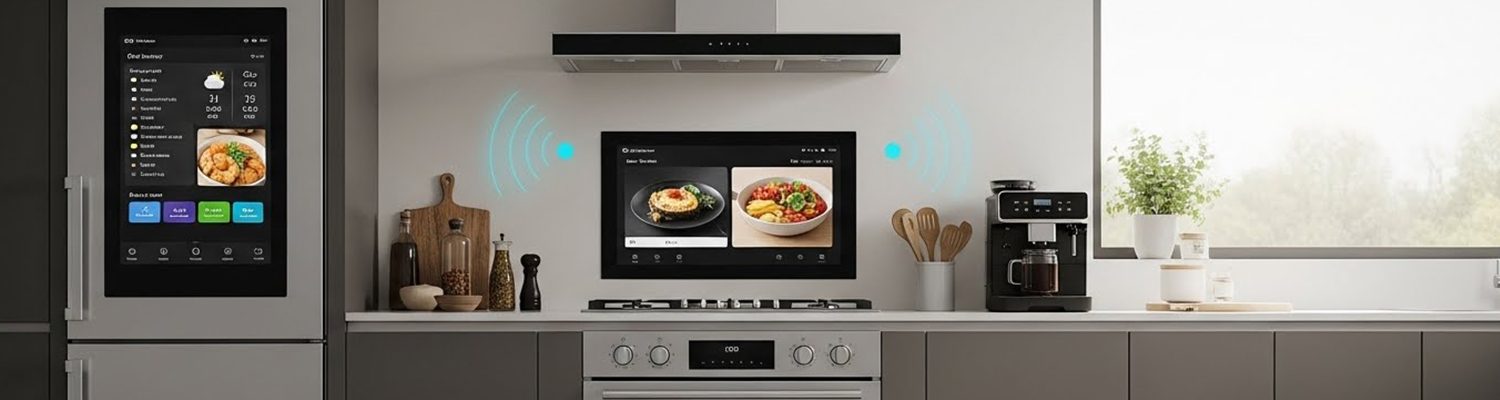
Brazilian kitchen featuring smart energy-efficient appliances controlled by a mobile device
Updated: April 9, 2026
In Brazil, forget Home Appliances Brazil has emerged as a provocative prompt for consumers, retailers, and policymakers to reframe how we judge value, reliability, and long-term energy cost in everyday devices. This analysis examines how Brazilian households approach purchases of refrigerators, washing machines, air conditioners, and emerging smart devices as the economy steadies and the climate intensifies. It also considers the role of local manufacturing, import dynamics, and changing incentives from energy regulators that push for efficiency over sheer capacity.
Market landscape in Brazil’s home appliances
Brazil’s home appliances market sits at a crossroads of price sensitivity and value propositions rooted in durability. Domestic brands leverage service networks and warranty coverage to balance higher upfront costs with predictable, longer lifespans, while imported models compete on feature sets and energy labels. The currency cycle of the past years has kept consumer prices volatile, but steady demand persists in sectors like cooling and laundry equipment. Retail channels, including large-format stores and online marketplaces, have deepened price competition, which pressures margins but broadens access to mid-tier models. In urban centers, households increasingly compare total cost of ownership, not just sticker price, weighing energy bills, noise, and service availability. For policy observers, this is a reminder that consumer behavior in Brazil remains anchored to practical considerations—after all, appliances represent a significant ongoing expense for many families.
Manufacturers now face a more nuanced mission: align impressive feature sets with robust after-sales support, while keeping the purchase simple for first-time buyers. Local assembly lines and assembly-to-distribution hubs compress lead times in some regions, helping to dampen inflationary effects. At the same time, import rules, tariffs, and tax incentives influence which models enter the market and at what price, influencing retailer strategies and consumer choices alike.
Energy costs and efficiency norms shaping purchases
Energy efficiency is no longer a niche consideration; it is a core criterion in Brazil’s appliance decisions. The country’s energy regulators and labeling programs—often cited through the Procel program and INMETRO standards—shape consumer expectations by communicating operating costs and performance. A refrigerator or air conditioner that delivers higher cooling with lower electricity draw can translate into months or years of savings, especially for households with tight monthly budgets. As the grid evolves and diversified supply sources expand, buyers weigh the reliability of an appliance’s compressor and motor against the cost of electricity per kilowatt-hour. In this context, efficiency becomes a risk management strategy: a more efficient unit reduces exposure to price volatility and stress on electrical infrastructure during peak load periods.
Manufacturers respond with hybrid technologies, inverter compressors, and modular cooling systems. Local energy labeling and sustainability narratives influence marketing, which means that even mid-range machines can compete with more expensive models on total cost of ownership. For Brazil’s market, the challenge is ensuring energy promises are kept in real-world use rather than only in laboratory tests.
The rise of smart features and integration into Brazilian homes
Smart features are moving from novelty to practical necessity for many Brazilian households. Wi-Fi connected appliances—refrigerators with inventory tracking, washing machines that optimize cycles based on load sensors, and air conditioners that learn occupancy patterns—offer potential savings when used consistently. Yet the uptake depends on reliable connectivity, perceived security, and the value proposition that a smartphone app brings to daily routines. In many urban and suburban homes, smart devices are part of broader households’ energy strategies, often integrated with solar or battery storage where feasible. Retailers emphasize ease of use and local language support, and service providers increasingly offer remote diagnostics and maintenance scheduling. The growth of affordable data plans for mobile devices and the spread of e-commerce infrastructure further reduce barriers to adoption, even for first-time buyers.
Security and privacy considerations matter. Consumers want transparent data practices and straightforward opt-out options, especially for devices that collect usage data. The market trend toward interoperability—where devices from different brands work through common ecosystems—also shapes purchasing decisions, reducing lock-in and expanding the addressable market for smart appliances.
Financing, after-sales, and reliability considerations
Financing options and after-sales networks significantly influence what households buy when upgrading appliances. Installment plans, credit availability, and retailer promotions can tilt decisions toward energy-efficient models even when upfront costs are higher. Beyond purchase, the availability of trained technicians, spare parts, and timely warranty service remains a practical constraint. In Brazil, service infrastructure varies by region, so consumers often weigh the seller’s reputation for responsive support and the proximity of authorized service centers. For many households, a longer warranty or extended service plan translates into greater perceived reliability, particularly for high-season purchases tied to weather and climate needs. Retailers are increasingly differentiating themselves through bundled services, maintenance reminders, and faster repair turnarounds, which helps build trust and repeat business.
Actionable Takeaways
- Prioritize energy efficiency labels and real-world performance data when comparing appliances to minimize lifetime energy costs.
- Consider total cost of ownership, including maintenance, warranty, and service access, not just upfront price.
- Evaluate smart features for practicality and privacy; ensure devices integrate with your preferred ecosystem and remain easy to use locally in Portuguese.
- Leverage financing options that align with your cash flow, especially for higher-efficiency models with higher upfront costs.
- Choose models with robust local service networks and readily available spare parts to reduce downtime and frustration.
- Shop across channels—online and in-store—to capture promotions, while verifying delivery, installation, and after-sales support terms.