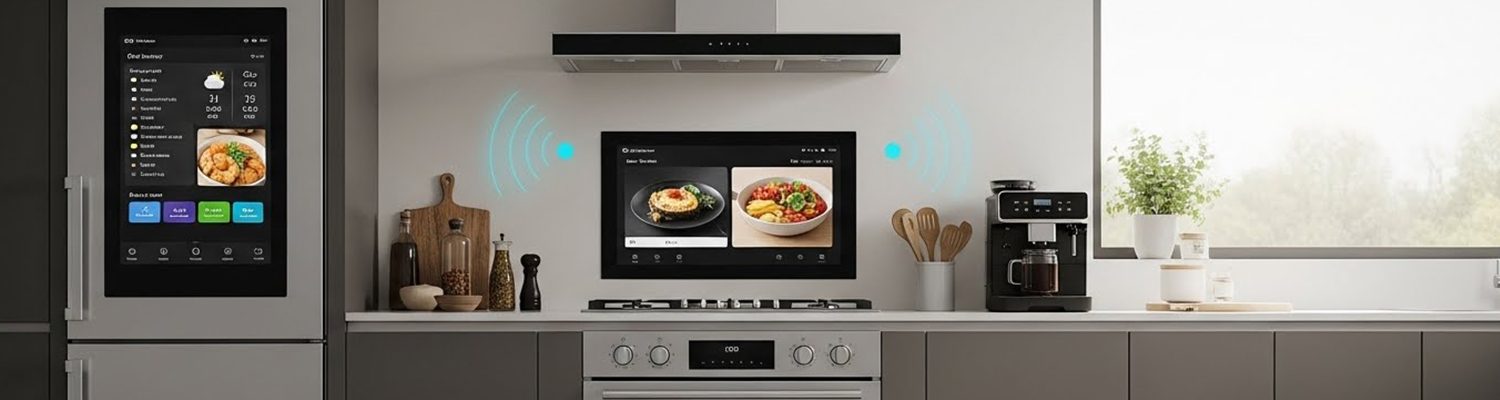
Editorial illustration showing a Brazilian home kitchen with smart, energy-efficient appliances and a connected energy m
Updated: April 9, 2026
In the Brazilian home appliances sector, cultural currents traveling from East Asia influence more than style. The term hallyu Home Appliances Brazil signals a growing convergence between popular culture, product design, and how households choose smart devices. This analysis maps how the Korean wave reshapes expectations around aesthetics, connected features, and after sales experiences, and how these shifts interact with local manufacturing, retail competition, and policy contexts in Brazil.
The Hallyu Effect on Brazilian Living Rooms
The Hallyu wave translates into everyday living spaces. Design language seen in popular media favors clean lines, modular integration, glossy finishes, and compact footprints that fit urban apartments. This translates into demand for multi functional refrigerators, smart ovens, AI assisted washing machines, and voice control. Brand storytelling matters; Korean brands such as Samsung and LG bring devices that form ecosystems rather than isolated gadgets. In Brazil, consumers increasingly expect devices to connect to mobile apps, support remote monitoring, and integrate with other home systems. The practical effect is a shift in how retailers present products; hands on demo spaces and bilingual content become essential to communicate value to a diverse urban audience. The inflation of perceived quality in the wave also influences price expectations, even when local options offer similar features at comparable costs.
Market Dynamics: Retail Branding and Local Competition
Brazilian retailers face a crowded field of local and international brands. The Hallyu influenced narrative fuels marketing campaigns that emphasize connected living, durability, and service networks. In practice, retailers leverage celebrity style, in store experiences, and financing options to convert interest into purchases. E commerce growth accelerates the pace of product listings, customer reviews, and after sales support. Local competition includes firms that assemble or adapt products for the Brazilian climate and energy standards, offering localized warranties, spare parts, and service networks. The result is a market where consumer trust is built through visible support infrastructure and credible repair ecosystems as much as through glossy ads. For manufacturers, translating global brand equity into regional relevance requires tailoring packaging, documentation in Brazilian Portuguese, and ensuring compliance with local electrical standards and plug types. A rational buyer weighs energy efficiency, maintenance costs, and reliability when comparing wave influenced products against legacy options.
Policy and Infrastructure: Energy Labels, Imports, and Financing
Policy context shapes the pace at which new waves reach households. Brazilian energy labeling regimes and import costs affect the total cost of ownership for smart appliances. Inmetro and related agencies influence how features such as energy saving modes, standby consumption, and data privacy are marketed. Import tariffs, exchange rates, and local content rules affect price competitiveness between local assembly and international imports. Financing products, including consumer credit and installment plans, play a central role in enabling mid range households to adopt connected devices. The Hallyu influence interacts with policy in two ways: first, by raising consumer willingness to adopt premium ecosystems; second, by raising expectations for reliable service networks. Urban consumers in capital cities may enjoy faster wifi, better app compatibility, and smarter energy use, whereas rural areas face connectivity and parts availability challenges. Addressing these gaps requires coordinated policy and industry efforts, including investment in distribution networks and bilingual customer support.
Future Scenarios: Smart Kitchens and Urban Households
Looking forward, the Brazilian market could see a convergence of smart kitchen solutions with urban living patterns. Compact appliances, modular kitchen systems, and voice assistant integration align with high density living in major cities. The Hallyu influence could push brands to offer globally integrated platforms that combine cooking, cooling, and laundry into a single app based experience. At the same time, domestic producers will need to balance global trends with local climate tolerance, spare parts availability, and energy price dynamics. In addition, consumer education becomes critical; users must understand data privacy, device interoperability, and maintenance routines. A practical scenario is the rise of retailer led experiences that pair device demonstrations with home energy audits and financing options, enabling households to compare total cost of ownership across different ecosystems. This evolution requires collaboration among manufacturers, retailers, and policymakers to ensure new features deliver real value in Brazilian homes and do not add unnecessary complexity for older adults and first time buyers.
Actionable Takeaways
- Consumers: prioritize energy efficiency, trusted service networks, and a compatible ecosystem when evaluating connected appliances; compare total cost of ownership rather than upfront price alone.
- Retailers: align product storytelling with local preferences, offer bilingual support, and provide flexible financing that makes smart home adoption affordable for a wide range of households.
- Manufacturers: invest in Brazil specific parts supply, local language documentation, and robust after sales support to translate global branding into local reliability.
- Policy makers: facilitate transparent energy labeling, support import policies that stabilize prices, and encourage data privacy safeguards in connected devices.
- Media and educators: improve consumer literacy around smart home ecosystems and the value of sustainable appliances in urban Brazilian homes.