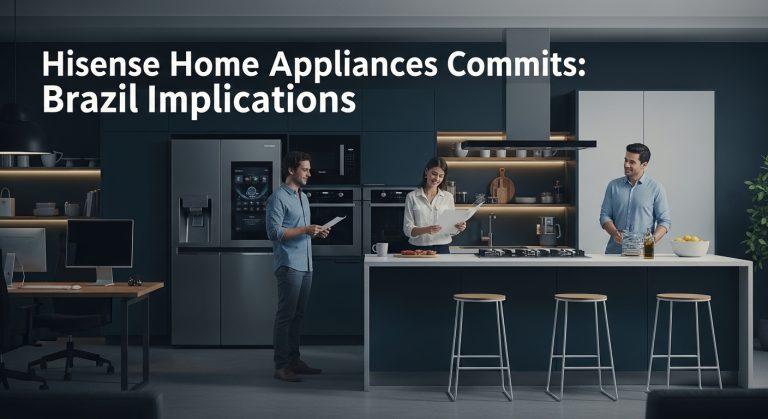
Brazilian home with smart appliances and solar panels
Updated: April 9, 2026
In Brazil, the rise of hallyu Home Appliances Brazil signals more than a fashion for glossy devices; it marks a structural shift in how households expect design, interconnectivity, and energy performance to converge in the kitchen and living spaces.
Cultural cross-pollination shaping Brazilian kitchens
Pop culture waves from Korea have become a lens through which Brazilian consumers judge everyday technology. The aesthetics—clean lines, compact footprints, and nuanced color palettes—are increasingly reflected in appliance design and marketing. Brands that align with this sensibility tend to emphasize user experience, tactile interfaces, and packaging that communicates simplicity. This cross-pollination is not just about pretty gadgets; it signals a shift toward experience-led shopping, where product value is measured by how seamlessly devices integrate with small, apartment-sized kitchens and shared spaces.
From aesthetics to functionality: what Brazilian shoppers expect
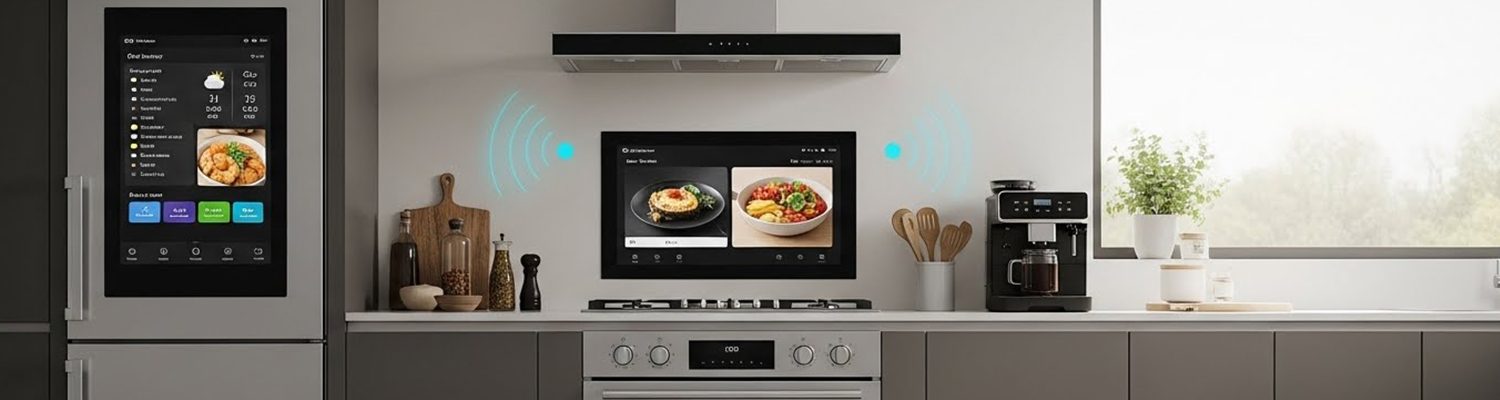
In practice, design must meet harsh realities: voltage variations, humidity, and the need for reliable after-sales service. Brazilian households often rely on robust warranties, language-appropriate manuals, and strong repair networks. Shoppers are increasingly drawn to appliances with energy-efficient features and smart connectivity that works with Portuguese-language assistants across popular ecosystems. The trend is toward multi-functional devices that save space and simplify daily routines, such as ovens with integrated recipes, refrigerators with touch controls, and washing machines that optimize cycles based on load and fabric type.
Policy, supply chains, and the energy efficiency angle
Global supply chains, currency volatility, and import policies shape what arrives on Brazilian shelves and at what price. Regulatory signals around energy efficiency influence model availability and long-term operating costs. Brands that pre-localize assembly, offer compatible voltage options, and provide clear documentation in Portuguese are better positioned to navigate price sensitivity. The energy footprint matters because Brazilian consumers face higher electricity bills than some peers, making efficiency a practical selling point beyond the ‘cool factor.’
Competitive landscape for smart appliances
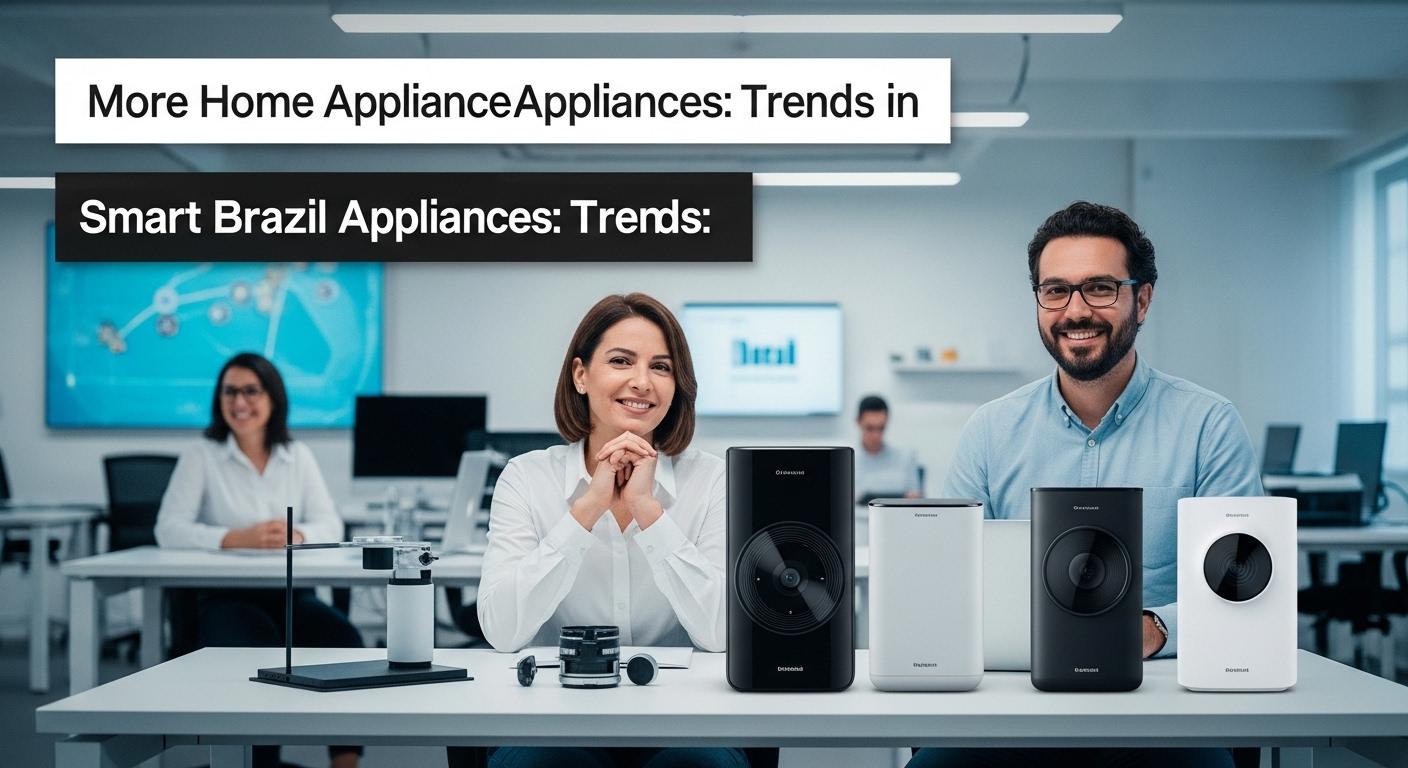
The field combines global brands with regional manufacturers and local service networks. Retail strategies increasingly blend online shopping with in-store experiences that echo the hallyu appeal—curated showrooms, live demos, and design-led merchandising. Smart home ecosystems in Portuguese are expanding compatibility with Brazilian users, while after-sales support remains a decisive differentiator. Price sensitivity coexists with a growing appetite for premium features, and brands that balance price, reliability, and local support win trust.
Actionable Takeaways
- Consumers: prioritize energy efficiency ratings, verify voltage compatibility for Brazilian mains, and review local warranty and service networks before purchasing.
- Retailers: align inventory with Portuguese-language materials, offer installment financing, and showcase design-forward appliances in compact kitchen settings.
- Manufacturers: localize product manuals, ensure Portuguese interfaces, and develop parts-and-service channels that cover major Brazilian cities.
- Policymakers: promote energy-efficiency standards and support resilient supply chains that reduce price volatility for essential home appliances.
Source Context
From an editorial perspective, separate confirmed facts from early speculation and revisit assumptions as new verified information appears.
Track official statements, compare independent outlets, and focus on what is confirmed versus what remains under investigation.
For practical decisions, evaluate near-term risk, likely scenarios, and timing before reacting to fast-moving headlines.
Use source quality checks: publication reputation, named attribution, publication time, and consistency across multiple reports.
Cross-check key numbers, proper names, and dates before drawing conclusions; early reporting can shift as agencies, teams, or companies release fuller context.
When claims rely on anonymous sourcing, treat them as provisional signals and wait for corroboration from official records or multiple independent outlets.
Policy, legal, and market implications often unfold in phases; a disciplined timeline view helps avoid overreacting to one headline or social snippet.
Local audience impact should be mapped by sector, region, and household effect so readers can connect macro developments to concrete daily decisions.
Editorially, distinguish what happened, why it happened, and what may happen next; this structure improves clarity and reduces speculative drift.
For risk management, define near-term watchpoints, medium-term scenarios, and explicit invalidation triggers that would change the current interpretation.
Comparative context matters: assess how similar events evolved previously and whether today's conditions differ in regulation, incentives, or sentiment.