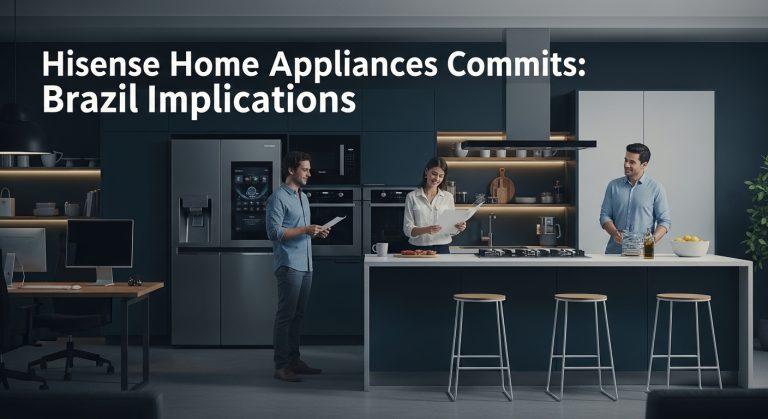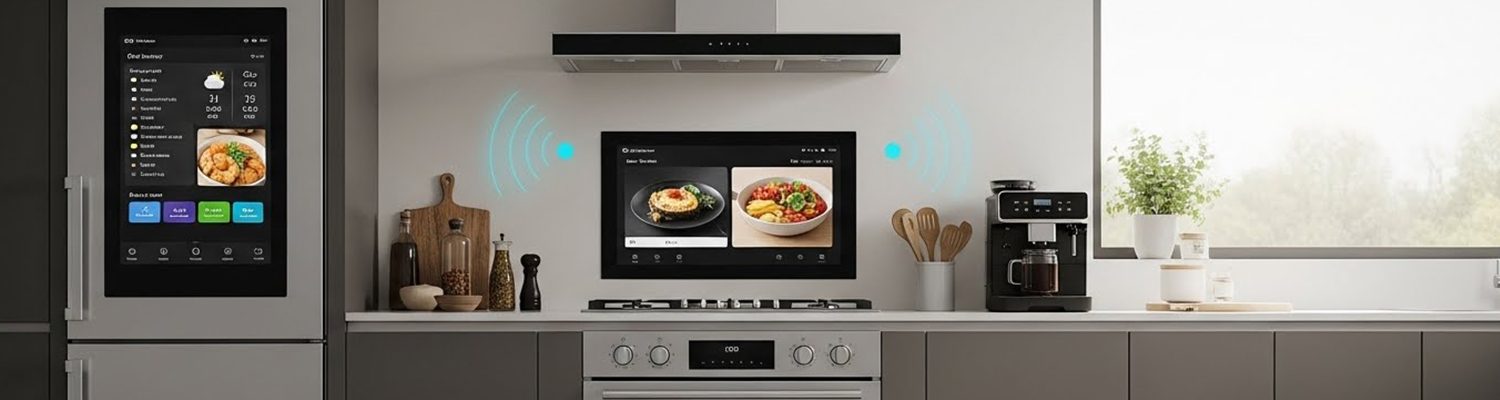

Samsung home appliances in a Brazilian kitchen with smart devices and urban backdrop.
Updated: April 9, 2026
In Brazil’s evolving home electronics landscape, samsung Home Appliances Brazil finds itself at a crossroads of global branding, local demand, and supply chain realities. The coming years will test whether the brand can translate premium appeal into everyday household adoption amid price sensitivity and expanding online retail channels.
Market Context: Brazil’s Appliance Landscape
Brazil’s appliance market moves under the pressure of inflation, shifting credit conditions, and a retail ecosystem that is increasingly digital. The combination of a large, price-sensitive middle class and a growing urban workforce creates a paradox: consumers want energy-efficient, feature-rich machines, but they expect accessible financing and transparent pricing. For samsung Home Appliances Brazil, these conditions create both risk and opportunity. The company’s ability to localize costs—through regional warehousing, parts availability, and after-sales coverage—will determine whether premium features translate into broad adoption. Logistics costs, currency shifts, and import duties continue to shape landed prices, even as domestic assembly and regional sourcing offer levers for margin management. In this environment, the brand’s reputation for reliability and warranty work in its favor, but competition from both global rivals and well-known Brazilian brands means there is little room for complacency. The next 18 to 24 months could define Samsung’s position in the mid- and high-end segments as retailers seek to balance inventory turns with consumer demand.
Product Segments and Consumer Dynamics
In Brazilian homes, the core appliances that drive daily routines include refrigerators, washing machines, and cooking ranges. Within this mix, families weigh durability, energy efficiency, and warranty length. Samsung’s line-up leans into digital inverter technology, expansive cooling presets, and smartphone control that appeals to urban buyers who want convenience and remote monitoring. Yet adoption of smart, connected features remains uneven across regions, with greater uptake in cities that offer reliable broadband and retailer access. Brand messaging often centers on long-term savings from energy efficiency and water use reductions, which matters in a country where electricity costs can be volatile. As households update old units, mid-range models that balance price with performance have the strongest pull, while premium models with AI features and freshness-preserving technology capture a share among higher-income consumers. For Samsung, the opportunity lies in pairing these technologies with robust service networks, ensuring that premium hardware does not become a premium maintenance burden.
Pricing, Promotion, and Local Competition
Local competition includes global players and entrenched Brazilian brands; price competition remains intense in the mid-range segments. Samsung must navigate currency-driven price volatility, import costs, and the slow-to-change shelf dynamics of large retailers. Promotion strategies often hinge on bundling, financing options, and warranty extensions that reduce perceived total cost of ownership. The company’s advantage rests on a comprehensive service network, spare-parts availability, and the assurance of product compatibility with the SmartThings ecosystem in Brazil. However, succeeding requires more than feature-rich devices; retailers demand consistent stock, compelling trade promotions, and clear consumer messaging around energy efficiency. In practice, Samsung’s Brazil strategy should focus on predictable supply, localized marketing, and partnerships with major e-commerce platforms that serve both affluent urban neighborhoods and growing suburban markets.
Technology Adoption, Sustainability, and After-sales
Brazilian households increasingly favor energy-efficient appliances as sustained high electricity prices and environmental awareness shape choices. Samsung’s innovations—such as inverters that adapt to load, sensors that optimize cooling, and software updates that extend appliance life—align with these stressors, but only if the local service chain can deliver. Maintenance and repair networks are a decisive factor in brand loyalty; customers in many cities rely on authorized technicians for timely fixes. Samsung Brazil’s prospects depend on expanding training for local technicians, stocking common spare parts, and offering attractive warranty terms that reduce downtime. Beyond hardware, the brand can emphasize sustainability narratives—longer product lifecycles, repairability, and recycling programs—to differentiate itself in a crowded field. The scenario outcomes range from a gradual diffusion of premium features into mainstream segments to focused growth in metropolitan areas where broader discretionary income supports higher-ticket purchases.
Actionable Takeaways
- Localize product mix to Brazilian consumer segments, prioritizing energy-efficient mid-range models with robust after-sales support.
- Strengthen the service network: regional warehouses, trained technicians, and rapid parts availability to back premium features.
- Accelerate online and retail partnerships: optimize listings, financing options, and cross-channel promotions.
- Emphasize sustainability and long-term savings in marketing to align with energy-cost pressures.
- Invest in localized marketing and Portuguese-language content that clearly explains value, warranty terms, and maintenance.