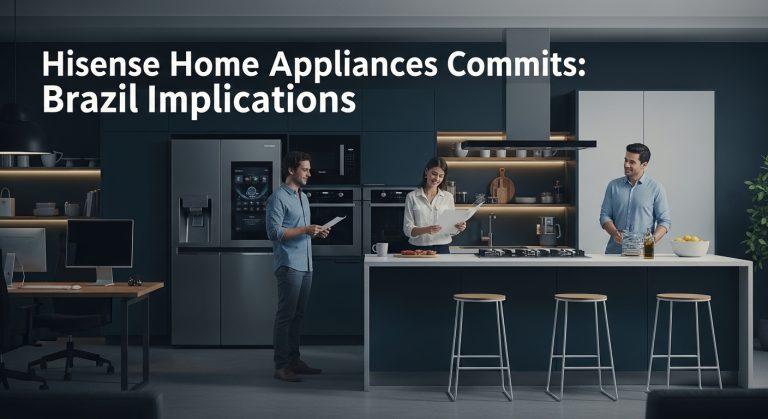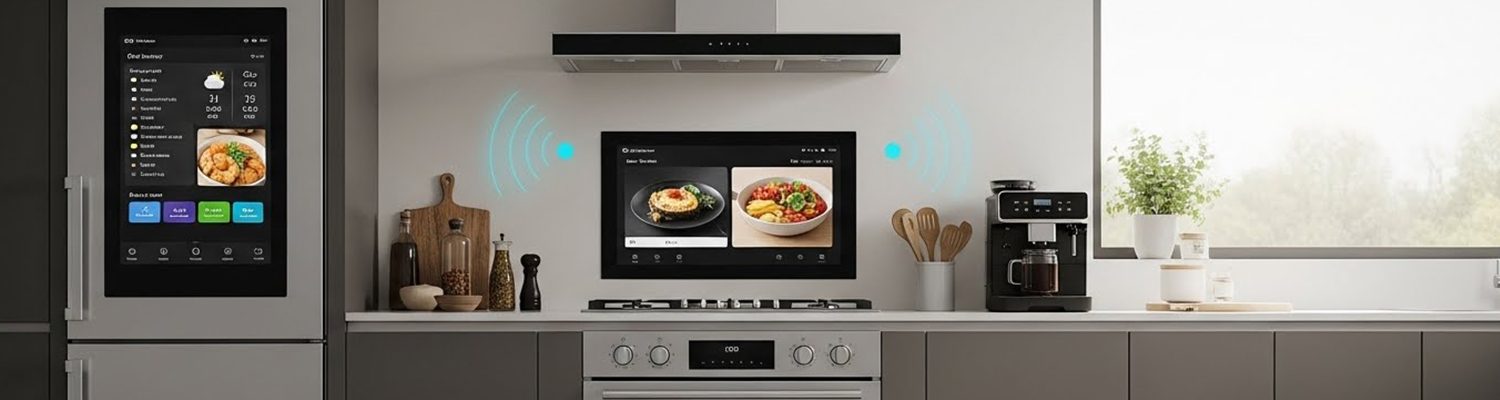
Editorial illustration showing a Brazilian home kitchen with smart, energy-efficient appliances and a connected energy m
Updated: April 9, 2026
In Brazil, forget Home Appliances Brazil has become more than a keyword on search pages; it signals a shift in consumer behavior where reliability, energy efficiency, and total cost of ownership trump flashy features. As households navigate rising electricity prices, import fluctuations, and a crowded marketplace, the conversation about what constitutes smart buying has moved from brand prestige to household resilience.
Market Fundamentals in a Shifting Brazilian Home Appliance Sector
The Brazilian home appliance market remains sizable but increasingly competitive, with a steady push toward value-oriented choices. Inflationary pressure and exchange-rate volatility affect pricing in mid-range refrigerators, washing machines, and ovens, encouraging shoppers to compare total cost of ownership rather than upfront sticker price alone. Retailers are expanding online channels, where delivery speed, warranty terms, and transparent energy-use data increasingly influence purchase decisions. Local assembly and regional distribution networks also shape availability and post-purchase service, making after-sales reliability a decisive factor for many families.
Brazilian consumers are turning to energy labels and performance data as a compass for smarter spending. INMETRO energy efficiency labeling, long a core reference point for household devices, helps buyers forecast long-run energy bills and reliability. In this context, durability, repairability, and readily available spare parts are valued as much as peak performance. Brands that communicate clear maintenance pathways—authorized service networks, easy part replacement, and nationwide warranty coverage—tend to outperform competitors that rely on feature-rich but opaque specifications.
Energy, Electricity, and Reliability: The Invisible Factor
Energy cost volatility has become a practical constraint on household choices. Appliances with inverter compressors, variable-speed motors, and strong insulation often deliver meaningful savings over the lifecycle, even if their upfront price is slightly higher. Consumers in Brazil are increasingly evaluating not only energy efficiency but also grid reliability. A dependable after-sales ecosystem matters: responsive service, predictable repair timelines, and the availability of spare parts reduce the total cost of ownership and extend appliance lifespans. These dynamics are amplified by the country’s diverse weather and regional electricity patterns, which influence how devices perform in everyday use.
The energy sector’s broader context—tied to hydro-based generation and grid stress—has heightened awareness of resilience. While headlines may highlight larger industry risks, households increasingly interpret energy stability as a key input for appliance value. This translates into a preference for robust, maintenance-friendly models that can operate reliably across seasons and occasional outages, rather than disposable buys that require frequent replacements.
Consumer Behavior: From Connected Homes to Practical Choices
Brazilian households are adopting connected devices at a measured pace, balancing curiosity about smart features with practical limits on budgets. Buyers often prioritize models offering energy-monitoring capabilities, remote diagnostics, and compatibility with local service networks. Inverter technology, climate-appropriate refrigerants, and durable build quality are increasingly common selling points. The market is also seeing a shift toward modular, repair-friendly appliances that can be upgraded piece by piece, rather than entire systems replaced at once. For many families, this translates into more careful shortlists and longer decision windows, especially around larger investments like refrigerators and laundry pairs.
Retailers that articulate clear scenarios—such as reduced electricity bills, quieter operation, or more reliable performance during power fluctuations—tend to build stronger trust. Shoppers also weigh warranty breadth, parts availability, and the strength of local service networks as essential components of value. In this environment, forget Home Appliances Brazil can act as a reminder to anchor choices in long-term performance rather than momentary novelty.
Regulatory and Environmental Pressures Shaping Innovation
Policy and standards bodies continue to emphasize energy efficiency, safety, and consumer rights. Brazil’s regulatory framework around appliance labeling and safety tests shapes how products are marketed and perceived. Companies that invest in transparent energy performance data, straightforward consumer guidance, and accessible repair options align more closely with regulatory expectations and consumer needs. Additionally, environmental considerations—ranging from manufacturing footprint to packaging and recycling programs—are increasingly reflected in product development and lifecycle planning. These pressures push manufacturers toward more durable components and easier end-of-life handling, reinforcing the practical value of longevity over transient features.
Beyond consumer-facing terms, the market responds to macro developments in trade policy, currency trends, and regional logistics. The ability to maintain steady supply chains for parts and service, even during times of external volatility, becomes a differentiator for brands aiming to serve Brazilian households over the long term.
Actionable Takeaways
- Prioritize models with high energy efficiency ratings and inverter-driven motors to reduce long-term operating costs.
- Evaluate the availability of local service networks, spare parts, and extended warranties before purchasing larger appliances.
- Consider lifecycle cost analyses that factor in energy bills, maintenance, and potential downtime due to repair needs.
- Check energy-monitoring capabilities and compatibility with local smart plugs or home energy management tools for better efficiency tracking.
- Favor manufacturers with clear end-of-life programs and recyclable packaging to align with sustainability goals and regulatory expectations.