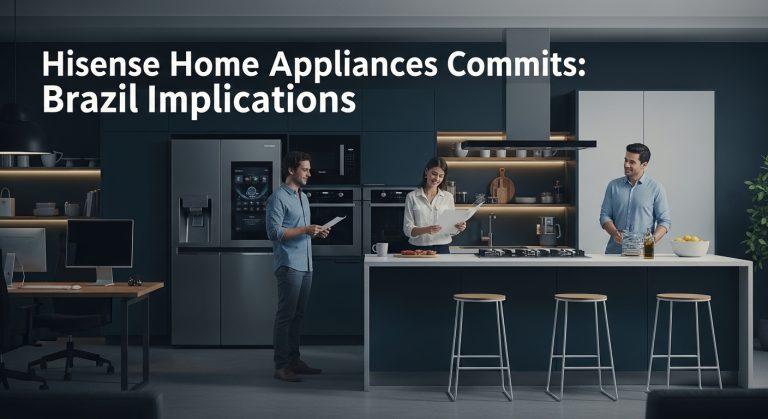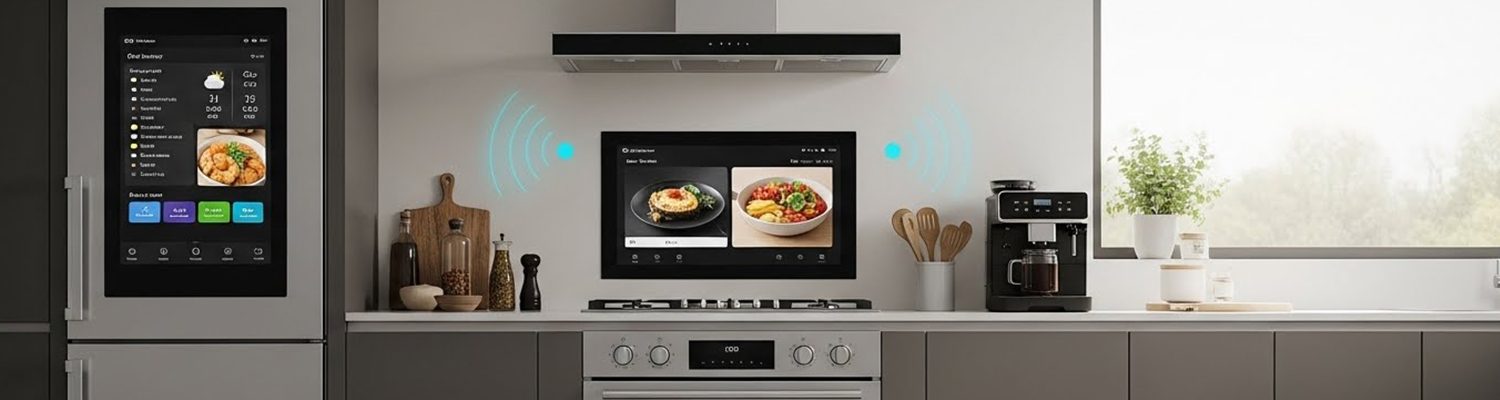

Modern Brazilian kitchen with smart, energy-efficient appliances
Updated: April 9, 2026
Brazilian households are increasingly wired for convenience, and the market for appliances is expanding in ways that reflect a broader shift toward connected living. As brands promise more Home Appliances Brazil, families weigh upfront costs against long-term gains in comfort, energy use, and time saved, while also confronting environmental responsibilities that follow every purchase. This analysis looks beyond product layouts to the economic, regulatory, and cultural currents shaping what Brazilians buy, how they use it, and what happens to devices at the end of their lives.
Market Forces Reshaping Demand
Brazil’s consumer landscape is being quietly restructured by a mix of rising middle-class confidence, greater access to credit, and urban living patterns that prize efficiency. The promise of more Home Appliances Brazil is not merely about adding devices; it’s about integrating technologies that save time, reduce manual labor, and optimize energy use in dense city homes where space and power reliability matter. Retail dynamics—financing options, extended warranties, and easy exchange policies—have lowered the perceived risk of trying new products, even as price sensitivity remains high among aspirational buyers. In parallel, the energy grid’s behavior—price signals, tariff structures, and outages—pushes households toward machines with better standby and operating efficiency, so bills stay predictable in a volatile macro environment.
Two structural factors further shape demand. First, energy policy and labeling regimes—such as efficiency standards and performance certifications—create a practical baseline that helps shoppers distinguish between entry-level and high-efficiency options. Second, domestic manufacturing and import policies influence price accessibility. When a refrigerator or air conditioner is produced locally, or when favorable import terms apply, consumers can access newer models faster and at a higher value-to-price ratio. The result is a demand curve that rewards devices designed for Brazilian climates, power profiles, and maintenance realities rather than generic overseas specifications.
Sustainability and E-Waste in Brazil
The expansion of home appliance ownership brings with it a parallel challenge: end-of-life management. Brazil’s National Policy on Solid Waste (PNRS) and related regulations emphasize extended producer responsibility, take-back schemes, and planned obsolescence mitigation. In practical terms, this means manufacturers, retailers, and municipalities must coordinate on what happens to old TVs, refrigerators, and washing machines. The informal recycling sector remains a significant part of the e-waste lifecycle, which creates gaps in environmental accountability and rescues valuable materials that would otherwise be wasted. For consumers, this translates into a growing expectation that new purchases be paired with clear disposal pathways and accessible recycling options.
Policy signals favor a circular economy approach: better labeling to guide choices, incentives for choosing energy-efficient models, and formalized channels for repairing or refurbishing devices. The role of government agencies, industry associations, and environmental NGOs is increasingly collaborative, aiming to reduce improper disposal and to harness the material value embedded in obsolete appliances. The shift toward smarter, longer-lasting machines also implies a cultural transition—consumers are learning to see appliances as serviceable assets rather than disposable commodities, a mindset that can extend the useful life of products and lower total lifecycle waste.
Adoption Barriers and Consumer Opportunities
Despite rising demand, barriers persist. Upfront costs remain a primary hurdle for many households, even as financing tools improve. Consumers increasingly perform a calculated ROI on energy savings—comparing a high-efficiency model’s promise of lower electricity bills against its higher sticker price. In urban centers, where apartment living and compact layouts dominate, consumers seek space-saving designs, quiet operation, and smart features that integrate with home networks. Rural and peri-urban areas face different realities: variable grid reliability, limited service networks, and evolving access to financing, which can slow the pace of adoption for sophisticated devices.
Quality of after-sales service is another practical determinant. Warranties, spare parts availability, and timely repairs influence long-term satisfaction far more than initial price. A robust service ecosystem—trained technicians, local parts suppliers, and clear warranty terms—helps households maintain appliances longer, reducing waste and reinforcing trust in new products. Digital literacy and access to online information also matter, as consumers increasingly compare energy labels, read reviews, and schedule maintenance through mobile platforms. In parallel, retailers are experimenting with rental or pay-as-you-go models that lower barriers and create a more iterative path to upgrading appliances when technology, incentives, or life circumstances shift.
Retail, Policy, and Industry Outlook
The Brazilian retail environment for home appliances is increasingly data-driven. Retailers use consumer analytics to tailor financing, promotions, and product assortments to regional climates and building typologies. Manufacturers, too, are adapting product lines to local needs—compact refrigerators for smaller kitchens, low-noise air conditioners for apartments, and energy-efficient washers that handle variably water-supply pressures. Industry organizations emphasize the need for standardized testing, reliable labeling, and transparent warranty terms to build consumer confidence in evolving performance metrics. Policy directions—integ rating energy efficiency, supporting refurbishment, and expanding formal e-waste channels—will influence both what is offered and how it is received in the market. In short, the path to growth in Brazil’s appliance sector is increasingly tethered to sustainability, service quality, and cost efficiency as much as to product innovation alone.
Actionable Takeaways
- Shop for energy-efficient models with clear INMETRO and PROCEL labels to maximize long-term savings and reduce grid strain.
- Utilize retailer financing and extended warranties to manage upfront costs while ensuring access to reliable servicing.
- Discard end-of-life appliances through official collection programs or retailers that offer take-back services to improve recycling outcomes.
- Prefer modular or refurbishable designs when possible, supporting a longer appliance lifecycle and lower waste generation.
- Consider smart features that integrate with local energy sources (e.g., solar-friendly configurations) to enhance resilience in variable grid conditions.