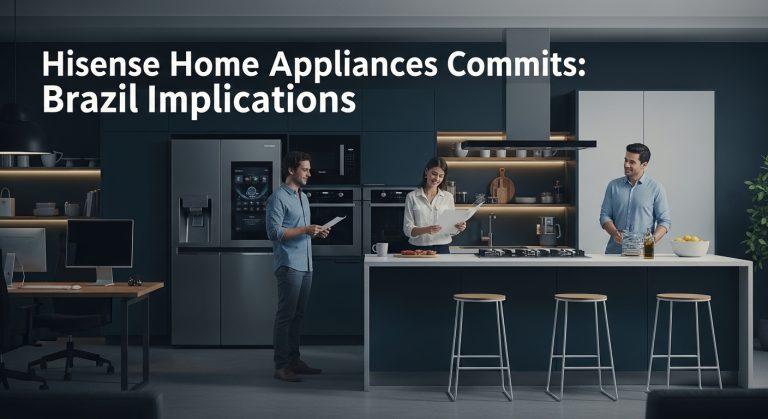

Brazilian home interior with smart appliances
Updated: April 9, 2026
brazil Home Appliances Brazil is at a turning point as Brazilian households weigh efficiency, cost, and convenience in a market increasingly dominated by interconnected devices and energy-conscious choices. The mix of new models, smaller urban homes, and a push toward recycling is reshaping what families buy, how they use appliances, and when they replace older units. This analysis considers consumer behavior, industry strategy, and policy signals to outline where the market may go over the next 12 to 24 months.
Market reality and consumer behavior
Brazilian shoppers face a delicate balance between upfront price and long-term savings. Energy costs, fluctuating tariffs, and the rising availability of financing options push many households to favor models with strong reliability and lower running costs over the flashy features. In urban centers, compact refrigerators, washer-dryer combos, and multi-function devices are popular where space is at a premium; in smaller towns, durability and service networks matter more than the latest smart features. The result is a market that values practical performance alongside price transparency.
Manufacturers and retailers respond by offering tiered lines—entry-level energy-rated models paired with mid-range and premium smart devices—while banks and fintechs extend installment plans. This dynamic creates a tiered demand curve that rewards energy efficiency as a driver of post-purchase savings, especially for appliances with longer replacement cycles such as refrigerators and air conditioners.
Energy efficiency, e-waste, and policy context
Brazilian policy signals and labeling schemes influence consumer choices. Energy efficiency labels guide households toward appliances with lower operating costs, even when the upfront price is higher. At the same time, the country faces a growing challenge from e-waste; formal collection networks and recycling infrastructure are expanding but still uneven across regions. The evolution of e-waste management shapes who buys old units for refurbishment versus replacement, which in turn affects retailers’ inventory strategies.
Industry players stress that clear labeling, easy access to repair services, and convenient take-back programs are essential to sustaining long-run demand for efficient devices. In markets where informal repair and maintenance remain common, manufacturers increasingly emphasise modular designs and standardized components to facilitate local servicing and resale markets.
Smart appliances adoption in Brazilian households
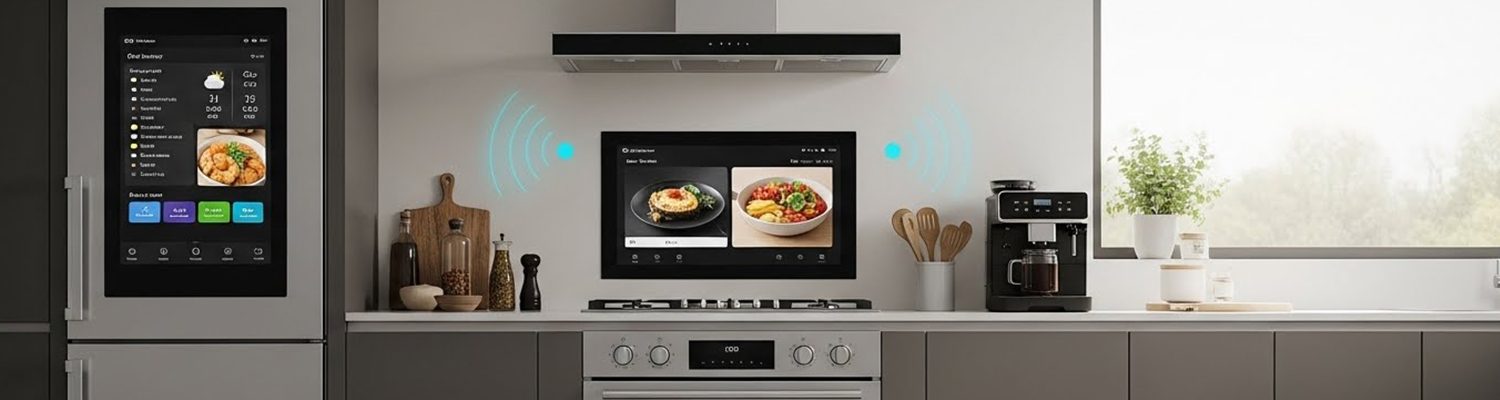
Adoption of connected devices is rising, though uneven, across Brazilian cities. Smart washing machines, refrigerators with energy-management apps, and climate-control systems with remote monitoring are appearing in middle- and upper-income households, supported by wider internet access and smartphone penetration. However, adoption is tempered by concerns about data privacy, interoperability, and the reliability of home power supply in some regions. Consumers weigh convenience against concerns about monthly connectivity costs and the potential for vendor lock-in.
Retailers and installers are capitalizing on these trends by bundling energy-saving incentives with smart devices, offering installation packages that include app setup, energy budgeting tips, and access to remote monitoring. For manufacturers, the priority is localization—ensuring products work with Brazilian voltage standards and that local service networks can support warranties and repairs.
Supply chain resilience and retail dynamics
Across Brazil, supply chains for electronics show exposure to currency swings, import policies, and logistics bottlenecks. Domestic manufacturing of consumer appliances remains limited to certain segments, so many models rely on imports. Retailers respond by diversifying suppliers, stocking a mix of affordable, energy-efficient units and premium, connected devices, and by leveraging e-commerce to reach a broader audience. The result is a market that increasingly blends traditional showroom experiences with online shopping, price-comparison tools, and customer reviews to influence choice.
Policy uncertainty and macroeconomic shifts also shape timing—families may delay replacements during downturns, even when energy savings would justify earlier upgrades. Conversely, favorable financing terms or incentives for efficient appliances can catalyze a wave of replacements, particularly for aging cooling and refrigeration units that are energy-intensive.
Actionable Takeaways
- Focus on energy-efficient, well-labeled models to drive long-term savings for Brazilian households.
- Expand repairability and end-of-life programs to strengthen e-waste infrastructure and consumer trust.
- Offer financing options and clear payback analyses to overcome upfront price barriers.
- Invest in localization, including voltage compatibility and local service networks, to support smart appliance adoption.
- Collaborate with retailers and policymakers to create transparent incentives for efficient devices and responsible disposal.