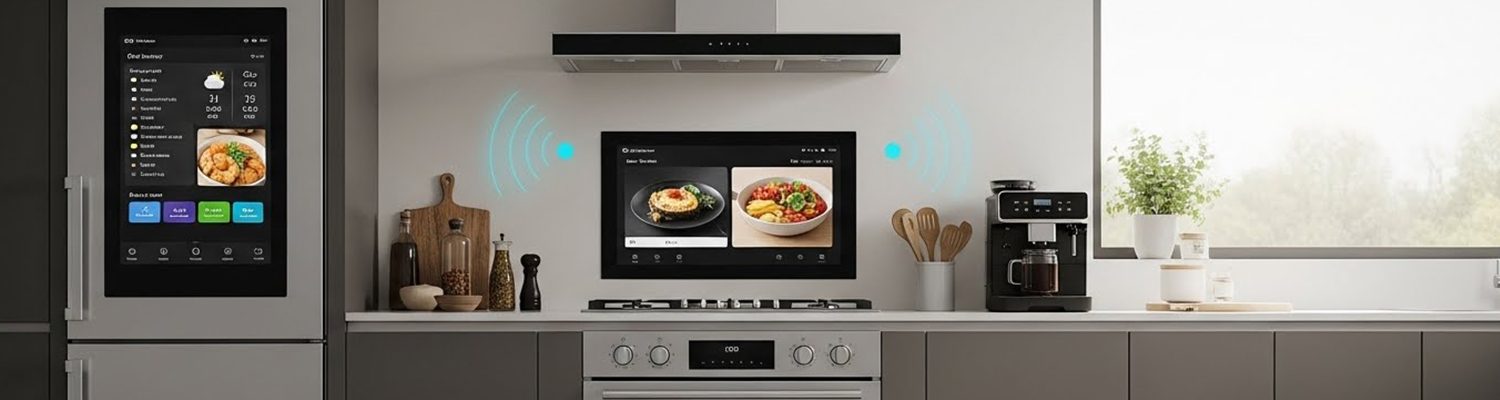

Modern Brazilian kitchen with smart, energy-efficient appliances
Updated: April 9, 2026
In the evolving Brazilian household technology space, the conversation around smart devices is not simply about gadgets; it is a lens on energy policy, household budgeting, and how people live in growing urban centers. For observers tracking zawya-pressr Home Appliances Brazil, the most meaningful shifts are less about feature lists and more about how market dynamics, regulatory design, and digital retail channels combine to shape what families buy, how they use devices, and where manufacturers invest next.
Market dynamics shaping Brazilian home appliances
The Brazilian market for home appliances is navigating a combination of rising urban income, expanding e-commerce penetration, and evolving housing stock. A growing middle class in major urban hubs has increased demand for larger, more capable machines such as energy‑efficient washers and refrigerators with smart connectivity. Yet price sensitivity remains acute, particularly in regions where credit access is uneven or where informal lending markets still influence consumer choices. Brands that succeed are those that translate global technologies into Brazil‑specific value propositions: reliability under variable power conditions, clear long‑term energy savings, and appliances designed for multi‑person households that often juggle space constraints in compact apartments or in homes with shared facilities.
The narrative is not purely domestic. Global manufacturers see Brazil as a proving ground for connected-home ecosystems that can scale into other Latin American markets. Local distributors, logistics partners, and service networks are increasingly important as customers demand faster repairs, better warranty coverage, and transparent pricing. In this environment, the ability to bundle appliances with financing, installation services, and remote diagnostics becomes a differentiator. Analysts expect a gradual shift toward smarter product lines—connected ovens, refrigerators with inventory management, and air conditioners that optimize energy use based on real-time grid conditions—translate into both higher upfront costs and meaningful lifetime savings for households.
Another dynamic is channel diversification. While brick-and-mortar retailers retain significance for after-sales support and perceived trust, online marketplaces continue to reshape pricing transparency and access to a wider range of models. The convergence of payment technology, consumer reviews, and price comparison tools means Brazilian shoppers can more readily compare energy labels, warranty terms, and total cost of ownership before committing to a purchase. Manufacturers and retailers that invest in localized marketing, Portuguese-language content, and region-specific promotions are best positioned to convert interest into purchase, especially among first-time appliance buyers who value simplicity and clear energy advantages.
In summary, Brazil’s home-appliances market is moving from a price-competitive, feature-led equation toward a value-based one that prioritizes energy efficiency, service quality, and the ease of acquiring and operating connected devices in everyday life. This reorientation sets the stage for strategic bets by firms that can blend global innovation with Brazil-specific incentives and logistics realities.
Energy efficiency standards and consumer choices
Energy efficiency is no longer a marginal selling point in Brazil; it is a central criterion that shapes purchasing decisions. The Brazilian market uses energy labeling and efficiency standards to help consumers estimate operating costs over the life of an appliance. For households facing rising electricity tariffs and increasingly unpredictable weather patterns, efficiency translates into tangible monthly savings and more predictable budgeting. As such, brands that clearly communicate energy performance through accessible metrics and simple return-on-investment estimates tend to win both initial attention and long-term loyalty.
Public policy and regulatory environments influence consumer choices as well. Programs that promote energy-efficient upgrades, tax incentives for efficient appliances, or financing schemes with favorable terms can accelerate adoption rates. Conversely, inconsistent labeling, slow updates to standard definitions, or gaps in consumer education can hamper trust and slow the uptake of higher-efficiency products. Brazilian households also weigh thermal performance and durability, particularly in climates that swing between humid summers and cooler dry seasons, where advanced compressors, variable-speed motors, and adaptive cooling cycles deliver the most value.
The consumer’s perception of value also depends on after-sales support and service reliability. A smart refrigerator or washing machine that connects to a customer’s smartphone should be straightforward to set up and maintain, with firmware updates that do not disrupt daily use. When service networks are robust and parts are readily available, the economic argument for upgrading to more efficient models strengthens, encouraging a gradual turnover of older devices. In this way, energy efficiency becomes a practical, day-to-day consideration rather than a marketing claim alone.
Supply chains and local manufacturing vs imports
Brazil’s import landscape, currency dynamics, and domestic manufacturing capacity shape both price and availability of smart appliances. Import taxes, shipping costs, and exchange-rate fluctuations can complicate entry for new models, especially those carrying advanced sensor systems and AI software. Conversely, a robust local manufacturing ecosystem can shorten lead times, improve service coverage, and reduce total ownership costs for consumers. Public-private collaboration to streamline port clearance, components sourcing, and domestic assembly lines helps mitigate volatility and can support a more stable price environment over time.
The strategic balance for brands operating in Brazil is to deploy a mix of local assembly for high-turnover models and regional distribution hubs to maintain inventory without sacrificing the benefits of global innovation. Companies that invest in regional R&D and adapt product engineering to Brazilian electrical standards, voltage ranges, and plug configurations will gain resilience against supply disruptions and provide faster, more reliable after-sales support. In addition, cooperation with Brazilian banks and fintechs to offer consumer financing on energy-efficient appliances can expand affordability and broaden the customer base, especially among first-time buyers migrating to smarter home ecosystems.
Overall, supply chains in Brazil are becoming more responsive to consumer expectations for speed, service, and value. The most successful players will be those who integrate sourcing strategies with a strong domestic service framework, enabling a compelling lifecycle experience for customers who want durable, connected appliances that work reliably in Brazilian homes.
Digital channels and consumer behavior in shopping patterns
The digital transformation of retail is redefining how Brazilians discover, evaluate, and purchase home appliances. Mobile first access, social media influence, and peer reviews are increasingly shaping initial interest and final decision-making. Price transparency—bolstered by online marketplaces and comparison tools—puts emphasis on total cost of ownership rather than sticker price alone. This trend benefits models with strong energy-performance credentials, long warranties, and reputable service options that reassure buyers when they invest in more sophisticated devices.
Retailers are responding with omnichannel strategies that blend in-store experiences, remote guidance, and flexible financing. For many households, particularly in urban centers, the ability to schedule installation, access remote diagnostics, and manage warranty claims through a single app reduces friction and increases satisfaction with the purchase. Brands that can deliver a seamless, Brazil-ready user experience—whether through Portuguese-language interfaces, localized customer support, or region-specific promotion campaigns—are more likely to convert online interest into recurring sales and long-term loyalties.
At the same time, data privacy and security have become practical concerns for consumers and regulators alike. As more devices collect data to optimize performance and energy use, clear communication about data handling, consent, and user control is essential. Firms that implement transparent privacy policies, robust security measures, and easy-to-use controls for data sharing will earn trust and distinguish themselves in a crowded market.
Actionable Takeaways
- Prioritize energy-efficient smart appliances with clear, easily understood payback calculations to appeal to Brazilian households facing variable electricity costs.
- Strengthen after-sales service networks and localize installation, maintenance, and firmware support to improve trust and reduce downtime.
- Leverage fintech partnerships to offer affordable financing options that unlock adoption of higher-value, connected models for a broad audience.
- Invest in region-specific product design and testing to ensure compatibility with Brazil’s voltage, plug standards, and climate conditions.
- Enhance transparency around data usage and privacy to build consumer confidence in connected appliances and digital services.