
brazil Home Appliances Brazil: Brazilian Home Appliances: Energy Shi
Updated: April 9, 2026
Across Brazil, the way households choose and use appliances is changing as energy costs, climate hazards, and supply reliability shape everyday decisions. This piece frames a broader trend under the banner of brazil Home Appliances Brazil, examining what ordinary families notice at the point of sale, what they expect from service networks, and how retailers adapt to shifting demand.
Rethinking Efficiency in a Price-Pressed Market
Prices for electricity and durable goods in Brazil have widened the gap between upfront cost and total running expense. Consumers increasingly weigh energy efficiency labels and likely lifetime costs before purchasing a refrigerator, air conditioner, or washing machine. The evolution of labeling schemes, including the PROCEL and INMETRO frameworks, provides a common yardstick for comparing models. But real-world savings depend on usage patterns, climate, and the quality of home wiring and insulation. Retailers are responding with tiered offerings: entry-level units that meet minimum efficiency and premium models that promise faster payback through smart controls and longer warranty coverage. For households with irregular electricity supply, the choice between a mid-range efficient unit and a high-efficiency option becomes a question of resilience and reliability more than merely sticker price.
Climate Resilience and Appliance Design
Brazil’s diverse climate means appliances face different stressors year-round. In flood-prone regions, devices with sealed housings and robust ingress protection help reduce downtime during rainy seasons. In hotter, humidity-rich zones, compressors and electronics must withstand heat and moisture without performance degradation. This pushes manufacturers to emphasize components selected for Brazilian operating conditions, as well as easier on-site serviceability. Consumers observing these design features often translate them into practical choices—standing by brands with accessible spare-parts networks and clear guidance on installation, maintenance, and calibration that becomes a component of overall value rather than a one-off purchase.
Consumer Behavior Shifts in Brazilian Homes
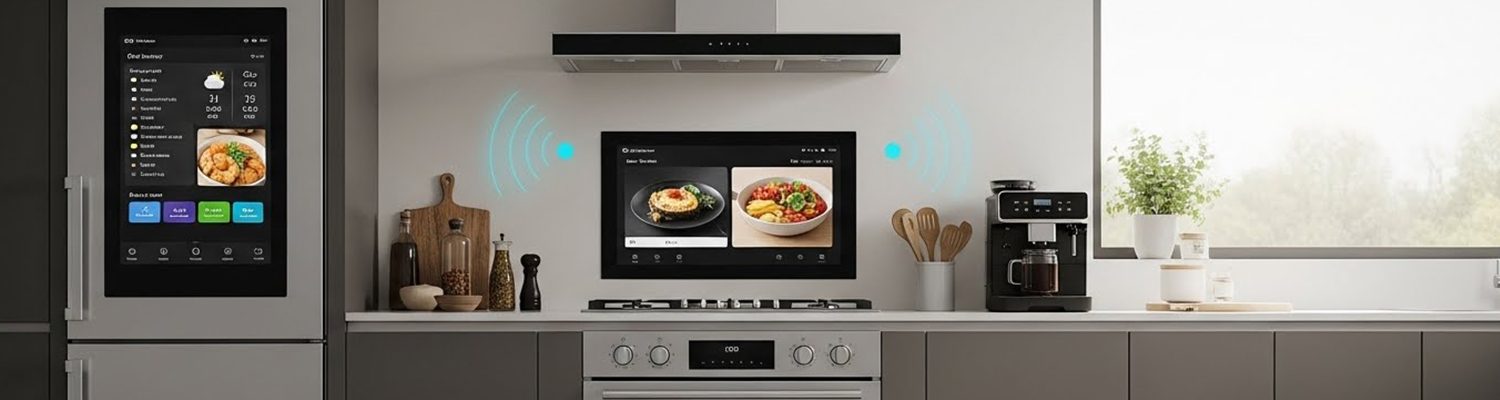
Shifting consumer expectations are reshaping how appliances are bought and used. Online channels coexist with familiar neighborhood stores, and financing options influence decision speed as well as model selection. In households where climate controls are central to comfort, there is a growing tendency to adopt smart features that adjust energy use based on occupancy, time of day, or weather forecasts. Yet many families still weigh the convenience of rapid availability against the perceived complexity of smart technology. Service networks, warranty terms, and ease of returning or exchanging items matter as much as the product’s first-year performance. These patterns vary by region, income, and housing type, underscoring the need for retailers to tailor offers rather than push one-size-fits-all solutions.
Policy Levers and Retail Friction
Policy tools—such as streamlined labeling, incentives for high-efficiency models, and robust e-waste pipelines—can tilt market activity toward durable, energy-saving appliances. Addressing retail friction means simplifying information, improving financing terms for mid- to high-efficiency units, and ensuring spare-parts availability across the country. For policymakers, the challenge is to align incentives with real-world usage, so households see tangible payoffs beyond a glossy brochure. For retailers, clarity and reliability in the supply chain—from imports to after-sales service—translate into increased trust and repeat purchases, especially in communities that have historically faced higher barriers to modern appliances.
Actionable Takeaways
- Compare lifetime running costs, not just upfront price, when selecting appliances.
- Look for recognized energy efficiency labels and trusted certification marks for Brazil, such as PROCEL and INMETRO indicators.
- Choose devices with better ingress protection and warranties that cover common Brazilian installation conditions.
- Consider solar or battery backup where feasible to reduce dependence on grid reliability and price volatility.
- Use smart controls and energy-monitoring tools to optimize usage during peak hours and in cooling-demand seasons.
- Evaluate after-sales support networks and spare-parts availability in your region before purchase.
Source Context
Further reading on standards and practical guidance includes: INMETRO energy efficiency and standards, PROCEL energy efficiency program, ABINEE industry association, and IEA Brazil country profile.
From an editorial perspective, separate confirmed facts from early speculation and revisit assumptions as new verified information appears.
Track official statements, compare independent outlets, and focus on what is confirmed versus what remains under investigation.
For practical decisions, evaluate near-term risk, likely scenarios, and timing before reacting to fast-moving headlines.