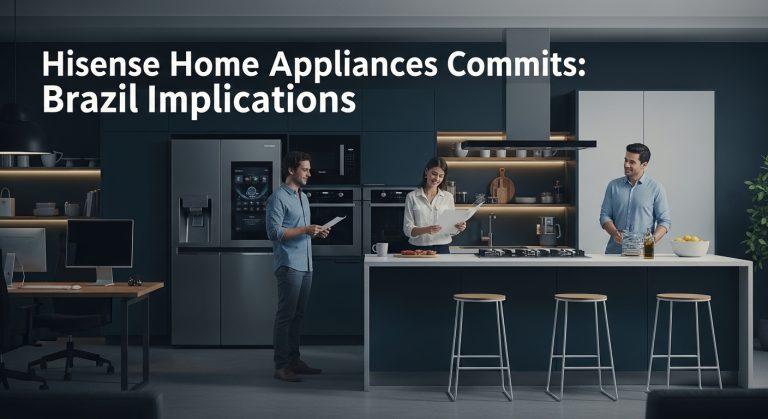

Brazilian living room with smart appliances and urban backdrop
Updated: April 9, 2026
The electronics Home Appliances Brazil market is at a pivotal moment as consumer appetite for connected devices intersects with regulatory reform, currency volatility, and the shift toward energy efficiency. This analysis explores the forces shaping what households buy, why prices move, and how manufacturers and retailers are adapting to a more digital, price-sensitive Brazil.
Market Dynamics for Electronics in Brazil
Across Brazilian households, demand for mainstream electronics and home appliances has grown alongside urbanization and digital adoption. Yet the trajectory is mediated by macroeconomic cycles, import dependence, and the uneven pace of wage growth. The portability of the Brazilian consumer market—where credit availability, cheaper online channels, and aggressive promotions converge—means that a large share of purchases are influenced by monthly budget constraints rather than impulse. In this environment, products that combine reliability with demonstrable energy savings tend to outperform high-end models, even when initial prices are similar.
Supply chains for electronics remain vulnerable to currency swings and global component shortages, pushing retailers to diversify suppliers and, where possible, pursue local assembly to reduce landed costs. Public policy also matters: energy-labeling programs and efficiency standards, enforced by INMETRO, steer the mix toward appliances that promise lower operating costs over the device lifetime. In Brazil, consumer decisions increasingly weigh total cost of ownership, not just upfront sticker price.
Pricing, Taxes, and Policy Landscape
Pricing for electronics and home appliances in Brazil is shaped by a cross-border mosaic of taxes and fees. State-level ICMS, federal PIS/COFINS and IPI taxes, plus import tariffs on some components, can push the final price well above cost in other markets. Tax policy uncertainty—tied to fiscal reforms and tax harmonization efforts—adds a layer of risk for retailers and manufacturers planning quarterly commitments. At the same time, federal and state incentives for energy-efficient models help some consumers justify higher upfront costs when long-term savings are clear.
Policy shifts, exchange-rate dynamics, and freight costs interact with consumer credit terms to determine affordability. When financing options are accessible, even mid-range appliances with energy-efficient profiles become viable for more Brazilian households. Conversely, periods of higher inflation and tighter credit tighten demand for big-ticket items, forcing marketers to emphasize value propositions and warranty coverage.
Industry Adaptation and Consumer Signals
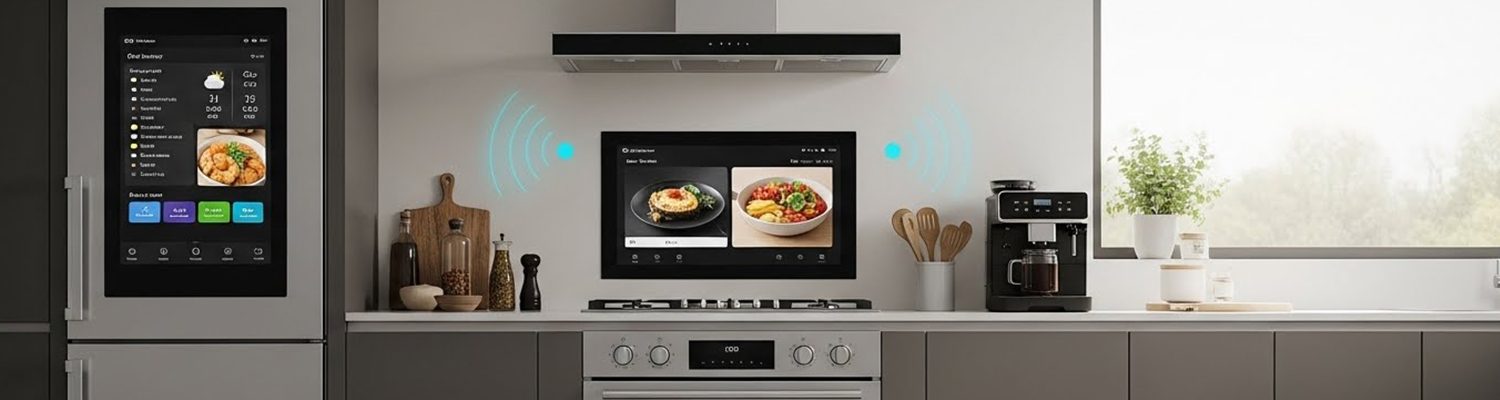
Manufacturers and retailers are recalibrating product lineups to align with two durable trends: energy efficiency and smart-home integration. Models meeting INMETRO efficiency standards attract price-conscious buyers who recognize lower operating costs, while bundled warranties and extended service plans counter concerns about after-sales reliability. Online channels, omnichannel promotions, and consumer financing programs help broaden access beyond major urban centers, where internet penetration and credit availability are higher.
Competitive dynamics favor firms that can offer modular bundles—e.g., a refrigerator with smart features and an energy meter at a predictable monthly cost—without locking customers into rigid payment plans. Yet content-rich product information, clear energy-use data, and transparent warranties are essential to differentiate in a crowded market. The broader trend toward sustainability also nudges brands to highlight recyclability and repairability as part of the value proposition.
Actionable Takeaways
- Develop pricing and financing strategies that reflect Brazil’s tax environment and currency volatility, including transparent total-cost-of-ownership messaging.
- Prioritize energy-efficient, INMETRO-certified models to align with consumer sensitivity to operating costs and regulatory expectations.
- Invest in local assembly or near-shoring where feasible to reduce landed costs and mitigate import-disruption risk.
- Expand financing options with retailer and fintech partners to broaden access for mid-range appliances.
- Strengthen after-sales networks and warranties to build trust in online and offline sales channels.
Source Context
- LG Electronics accelerates growth in key strategic markets – ZAWYA
- Supporters of Bolsonaro rally across Brazil against Lula – WRAL
- Betting Sponsorships Decline in Brazil’s Série A Amid Regulation and Higher Taxes – iGamingToday.com
From an editorial perspective, separate confirmed facts from early speculation and revisit assumptions as new verified information appears.
Track official statements, compare independent outlets, and focus on what is confirmed versus what remains under investigation.
For practical decisions, evaluate near-term risk, likely scenarios, and timing before reacting to fast-moving headlines.
Use source quality checks: publication reputation, named attribution, publication time, and consistency across multiple reports.