Get Informed: Upcoming Trends in the Washers and Dryers Market
The washers and dryers market is constantly evolving, driven by technological advancements and changing consumer preferences. As we look ahead, several trends are poised to transform this sector, offering consumers more efficient, convenient, and sustainable laundry solutions. In this comprehensive guide, we’ll explore the upcoming trends in the washers and dryers market, providing insights into what consumers can expect and how manufacturers are adapting to meet these demands.
The Rise of Smart Appliances
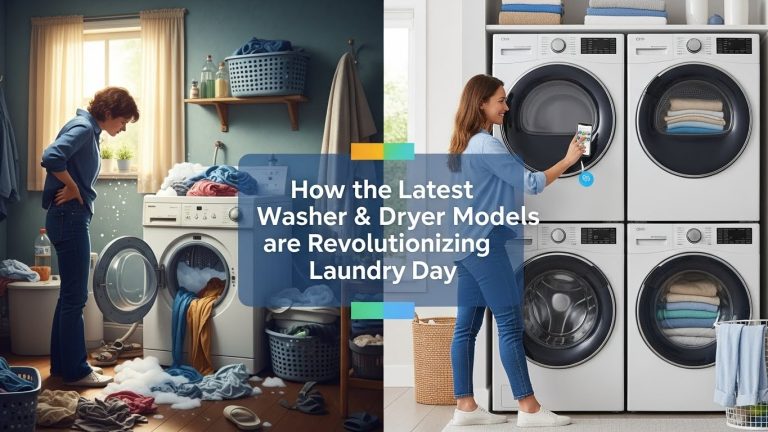
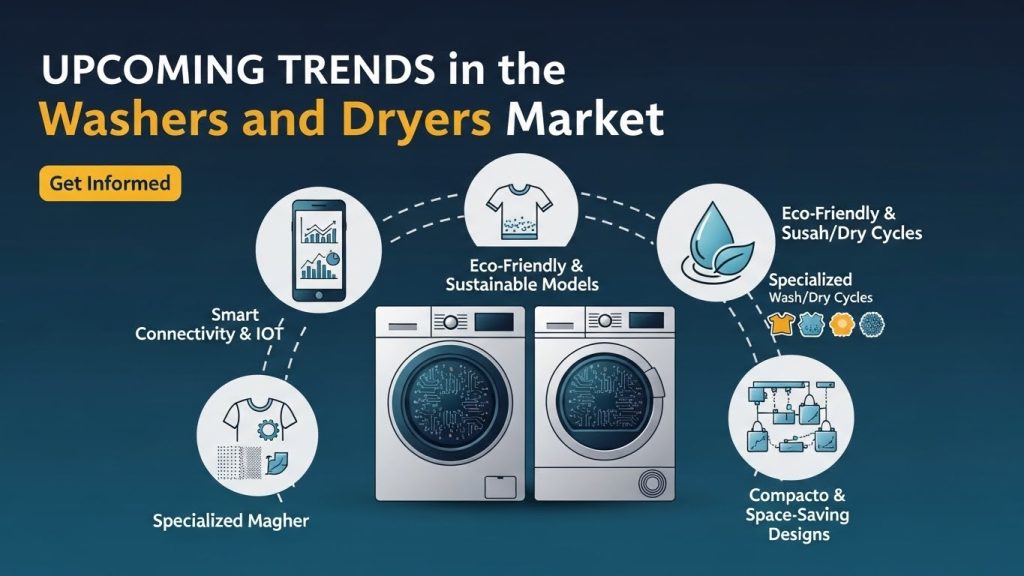
Smart technology is revolutionizing the home appliance industry, and washers and dryers are no exception. Smart washers and dryers are equipped with Wi-Fi connectivity, enabling remote control via smartphone apps. This allows users to start, stop, and monitor their laundry cycles from anywhere, providing unprecedented convenience.
Furthermore, these appliances often come with features such as automatic detergent dispensing and cycle recommendations based on the load’s size and fabric type. Consumer Reports highlights how these innovations lead to more efficient and effective laundry processes, saving time and resources for consumers.
Energy Efficiency and Sustainability
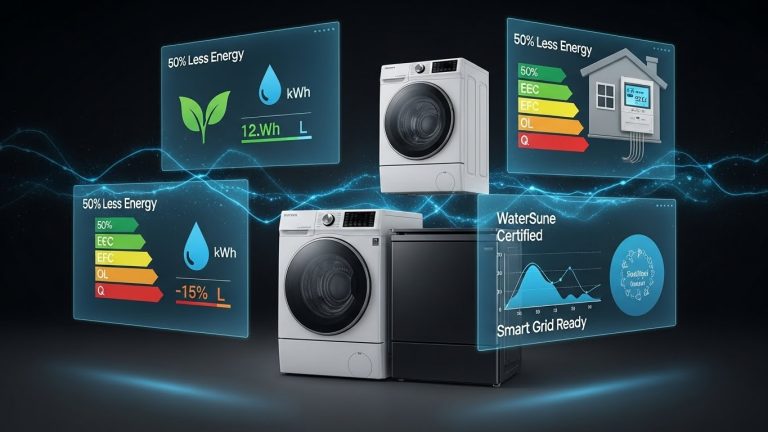
With growing awareness of environmental issues, consumers are increasingly seeking energy-efficient appliances. Manufacturers are responding by developing washers and dryers that consume less water and electricity without compromising performance. Energy-efficient models often feature advanced sensors that adjust water and energy usage based on the load size, making them a popular choice for eco-conscious consumers.
Additionally, many appliances now boast certifications like the ENERGY STAR label, which signifies compliance with strict energy efficiency guidelines. These developments not only reduce environmental impact but also help consumers save on utility bills over time.

Compact and Versatile Designs
As urban living spaces become more compact, there is a growing demand for space-saving appliances. Manufacturers are innovating with stackable washers and dryers and all-in-one units that combine washing and drying functions in a single machine. These designs are ideal for small apartments and homes with limited laundry space.
Moreover, the versatility of these appliances extends to their features. For example, some models offer multiple washing and drying options tailored to different fabrics and stain levels, providing users with flexibility and control over their laundry routines.
Advancements in Fabric Care
Protecting delicate fabrics is a priority for many consumers, and manufacturers are responding with technology designed to minimize wear and tear. Innovations such as steam cleaning and advanced drum designs gently clean clothes while reducing wrinkles and preserving fabric integrity.
This focus on fabric care is particularly important for consumers who invest in high-quality garments. Fashion Revolution emphasizes the significance of proper laundry care in extending the lifespan of clothing, aligning with the growing trend of sustainable fashion.
The Role of Connectivity and IoT
The Internet of Things (IoT) is playing a significant role in the evolution of washers and dryers. IoT-enabled appliances can communicate with other smart devices, integrating seamlessly into smart home ecosystems. This connectivity allows for enhanced features such as energy usage monitoring, maintenance alerts, and compatibility with voice-activated assistants like Amazon Alexa and Google Assistant.
These capabilities not only enhance user convenience but also contribute to more efficient household management, as highlighted by Smart Home. By integrating washers and dryers into a connected ecosystem, consumers can enjoy a more streamlined and responsive laundry experience.
Health and Hygiene Features
In the wake of recent global health concerns, there is an increased focus on hygiene. Washers and dryers now come equipped with features designed to remove allergens, bacteria, and viruses from clothing. High-temperature cycles and steam options are particularly effective in sanitizing laundry, addressing consumer demand for cleaner, healthier living environments.
These hygiene-focused innovations not only provide peace of mind but also cater to individuals with allergies or sensitive skin, making them an essential consideration for many households.
Takeaways
The washers and dryers market is undergoing significant transformation, driven by technological advancements and shifting consumer priorities. From smart technology and energy efficiency to fabric care and health-conscious features, the future of laundry appliances promises to deliver even greater convenience, sustainability, and performance.
As manufacturers continue to innovate and adapt to emerging trends, consumers can look forward to more tailored and efficient laundry solutions. By staying informed about these developments, buyers can make educated decisions that meet their needs and align with their values, ensuring they select appliances that enhance their daily lives.
Innovative Materials and Designs
In addition to smart technology and efficiency, the physical design and materials used in washers and dryers are also evolving. Modern appliances are being crafted with durable materials that resist corrosion and wear, thus extending the lifespan of the machines. Furthermore, sleek, modern designs are catering to consumers who view appliances as integral parts of their home décor.
Color options have expanded beyond traditional white and stainless steel, offering a variety of hues that allow consumers to personalize their laundry spaces. Some manufacturers are even introducing customizable panels that can be swapped out to match changing interior design trends, offering ultimate flexibility and style.
Noise Reduction Technologies
As living spaces become smaller and more open, the noise generated by washers and dryers can be a significant concern. To address this, manufacturers have invested in noise reduction technologies. Advanced insulation materials, precision-engineered motors, and vibration reduction systems are being incorporated into new models to minimize operational noise.
This is particularly beneficial for individuals living in apartments or homes where the laundry room is located near living areas. Reducing noise not only improves comfort but also enhances the overall user experience, making laundry less of a disturbance in daily life.
Personalization and User Experience
Today’s consumers expect personalized experiences, and washers and dryers are no exception. Many modern appliances now come with customizable settings that allow users to tailor their laundry cycles to specific preferences. Whether it’s adjusting temperature settings, spin speeds, or cycle durations, the ability to personalize laundry tasks is a significant trend.
Additionally, intuitive interfaces with touchscreens and voice control options are becoming more common. These features not only make the appliances easier to use but also enhance accessibility, allowing users to interact with their washers and dryers in ways that suit their lifestyles.
Trends in Global Markets
The trends in the washers and dryers market are not confined to a single region but are part of a global shift. In developing markets, the focus is on affordability and reliability, as consumers seek to invest in durable machines that offer value for money. Meanwhile, in more developed markets, the emphasis is on advanced features and sustainability.
Manufacturers are tailoring their product offerings to meet the unique demands of each market, ensuring that they remain competitive internationally. This globalization of trends highlights the interconnectedness of consumer preferences and the importance of understanding regional differences in the appliance market.
Future Outlook
Looking forward, the washers and dryers market is poised for continued innovation. As technology advances and consumer expectations evolve, manufacturers will likely introduce even more sophisticated features aimed at enhancing convenience, efficiency, and sustainability. The integration of artificial intelligence, for instance, may lead to machines that can learn and adapt to user habits over time, further personalizing the laundry experience.
Moreover, the push for environmental responsibility will drive the development of even more eco-friendly appliances, with a focus on reducing carbon footprints and conserving resources. As consumers become more environmentally conscious, the demand for sustainable solutions will only increase.
In conclusion, the washers and dryers market is on the brink of significant transformation, driven by technological advancements and changing consumer needs. By staying informed about these trends, consumers can make informed choices that enhance their lives while contributing to sustainability efforts. As the market continues to evolve, we can anticipate a future where laundry is not only a necessity but an experience that aligns with modern lifestyles and values.
Challenges and Opportunities
While the washers and dryers market presents numerous opportunities for growth and innovation, it also faces several challenges. One of the primary challenges is the need for manufacturers to balance technological advancement with affordability. As appliances become more sophisticated, the cost of production increases, which can translate to higher prices for consumers.
However, this challenge also presents an opportunity for brands to differentiate themselves by offering a range of products that cater to different budget levels. By providing both high-end models with the latest features and more basic, affordable options, manufacturers can capture a broader segment of the market.
The Impact of Consumer Education
Another critical factor shaping the market is consumer education. As the features of washers and dryers become more complex, it is essential for consumers to understand how to use these appliances effectively to maximize their benefits. Manufacturers and retailers have an opportunity to enhance consumer knowledge through educational materials, demonstrations, and customer support services.
By empowering consumers with information, companies can ensure that customers are satisfied with their purchases and that they utilize the full potential of their appliances. This not only boosts customer satisfaction but also fosters brand loyalty and encourages repeat business.
Environmental Regulations and Compliance
Environmental regulations are becoming increasingly stringent, requiring manufacturers to meet higher standards of energy efficiency and sustainability. Compliance with these regulations can be challenging, but it also drives innovation as companies seek new ways to reduce energy consumption and minimize environmental impact.
For instance, the push towards using environmentally friendly refrigerants and components in dryers is a direct response to regulatory requirements. As manufacturers invest in research and development to meet these standards, they often discover new technologies that can be leveraged to enhance their products.
Conclusion: A Dynamic and Evolving Market
The washers and dryers market is in a state of dynamic evolution, characterized by rapid technological advancements and shifting consumer preferences. As we move forward, the focus will likely remain on enhancing convenience, improving sustainability, and delivering superior user experiences.
For consumers, staying informed about the latest trends and innovations is crucial for making educated purchasing decisions. By understanding the features and benefits of modern washers and dryers, consumers can select appliances that not only meet their immediate needs but also support their long-term goals for efficiency and sustainability.
As manufacturers continue to innovate and respond to both challenges and opportunities, the future of the washers and dryers market promises to be exciting. Whether through the integration of cutting-edge technology, the development of eco-friendly solutions, or the creation of personalized user experiences, the journey ahead offers endless possibilities for both consumers and industry players.
About the Author