Newsworthy Developments in Energy-Efficient Washers and Dryers
As climate change continues to dominate global discussions, the home appliance industry is stepping up to the challenge of reducing energy consumption. Among the most innovative strides in this sector are the advancements being made in energy-efficient washers and dryers. These machines are not only transforming how we approach laundry but also significantly contributing to a more sustainable future.
Understanding Energy Efficiency in Washers and Dryers
Energy efficiency in washers and dryers pertains to the machines’ ability to use minimal electricity and water while delivering optimal cleaning and drying performance. This efficiency is measured by the Energy Star rating, a government-backed symbol for energy efficiency. Appliances with this rating are designed to use less energy, saving consumers money while reducing environmental impact.
Innovations in Energy-Efficient Washers
The latest advancements in washing machines are centered around reducing water usage and enhancing washing performance. Many modern washers now feature technologies like load sensing, which automatically adjusts the water level based on the size of the load. This ensures that no excess water is used, thus conserving resources.
Another noteworthy development is the use of inverter technology. This allows the washer to operate at variable speeds, maximizing energy efficiency and providing a quieter washing experience. Inverter technology also contributes to the machine’s longevity, reducing wear and tear on the motor.
Breakthroughs in Dryer Technology

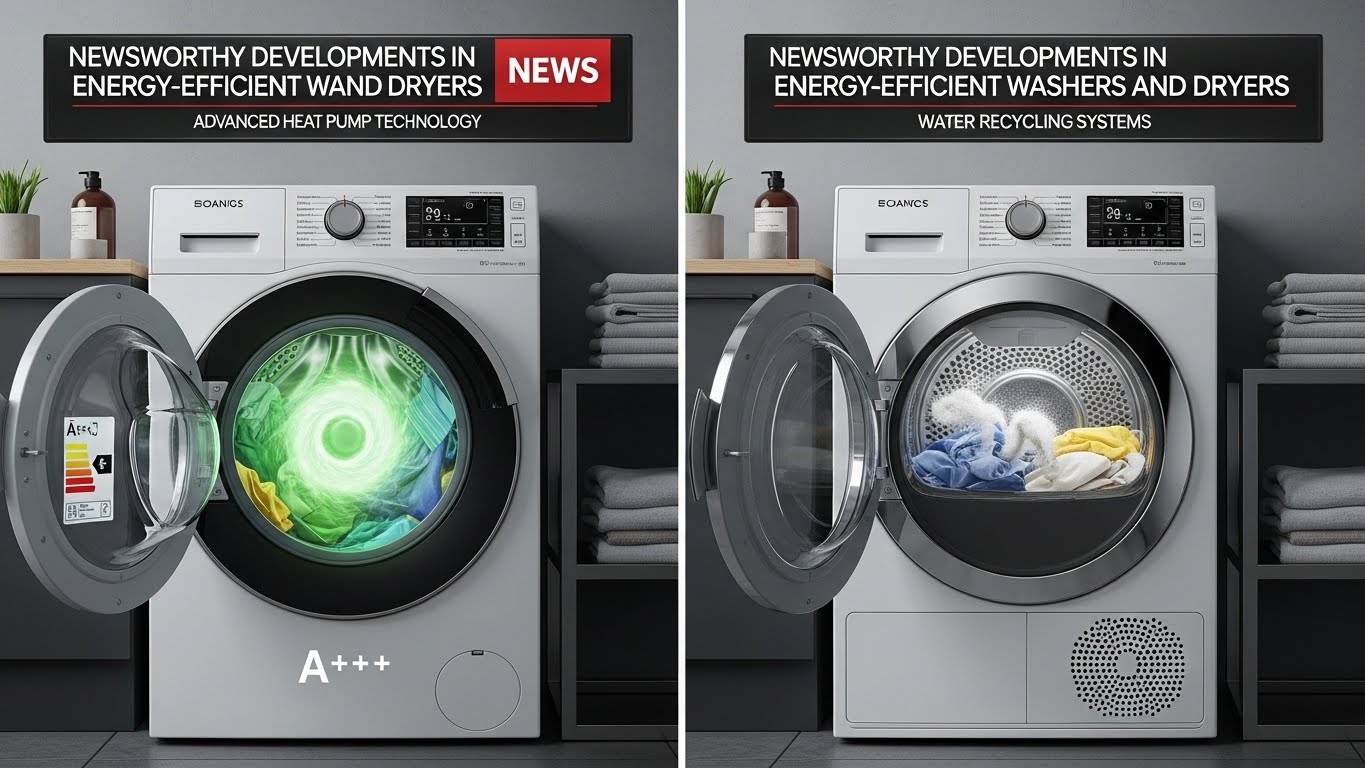
Dryers have historically been energy guzzlers, but recent innovations are changing this narrative. Heat pump technology is leading the charge in energy-efficient drying. Unlike traditional dryers that use a significant amount of electricity to heat air, heat pump dryers reuse the heat generated during the drying process, dramatically reducing energy consumption.
Moreover, sensor drying technology is becoming increasingly popular. This feature relies on moisture sensors that detect when clothes are dry, automatically stopping the cycle to prevent over-drying and waste of energy.
Environmental and Financial Benefits
Switching to energy-efficient washers and dryers offers dual benefits: environmental conservation and financial savings. Households adopting these technologies can significantly reduce their carbon footprint. For instance, a typical Energy Star-rated washer uses about 25% less energy and 33% less water than non-rated models.
Financially, while the initial investment in these appliances might be higher, the savings on utility bills over time make them a cost-effective choice. According to the U.S. Environmental Protection Agency, consumers can save approximately $370 over the lifetime of an Energy Star-rated washer.
Consumer Trends and Preferences
As awareness of environmental issues grows, consumers are becoming more conscientious about their purchasing decisions. There is a noticeable shift towards appliances that not only perform well but also support sustainable living. This change in consumer preference is pushing manufacturers to innovate continuously and introduce more energy-efficient models to the market.
Additionally, smart technology is increasingly becoming a staple in modern appliances. Many energy-efficient washers and dryers now come equipped with Wi-Fi connectivity, allowing users to monitor and control their appliances remotely via smartphone apps. This feature enhances convenience and can lead to further energy savings by optimizing usage times.
The Role of Manufacturers
Manufacturers play a crucial role in the development and adoption of energy-efficient appliances. Companies like LG, Samsung, and Whirlpool are at the forefront of this movement, investing heavily in research and development to create cutting-edge technologies that enhance performance while minimizing energy consumption.
Furthermore, partnerships between manufacturers and government agencies are helping to accelerate the adoption of energy-efficient technologies. Incentive programs and rebates are often available to consumers who purchase Energy Star-rated appliances, further encouraging the transition to more sustainable options.
Challenges and Future Directions
Despite the evident benefits, there are still challenges to overcome. The higher upfront cost of energy-efficient appliances can be a barrier for some consumers. Additionally, there is a need for increased awareness and education regarding the long-term savings and environmental benefits these machines offer.
Looking ahead, the future of energy-efficient washers and dryers appears promising. Innovations like nanotechnology in fabric care and further advancements in AI-driven washing systems hold the potential to revolutionize the industry further.
Takeaways
The developments in energy-efficient washers and dryers are not just trends but necessary shifts towards sustainable living. As technology continues to advance, we can anticipate even greater improvements in energy efficiency and performance. For consumers, this means an opportunity to contribute to environmental conservation while enjoying the convenience of modern, efficient appliances. For manufacturers, it represents a chance to lead in innovation and sustainability, paving the way for a greener future.
Government Initiatives and Regulations
Governments around the world are increasingly recognizing the importance of energy-efficient appliances in reducing national energy consumption. As a result, various initiatives and regulations are being introduced to promote their use. In the United States, for example, the Department of Energy has set stringent energy efficiency standards for household appliances, including washers and dryers.
These regulations not only aim to reduce energy consumption but also encourage innovation within the industry. By setting high standards, manufacturers are pushed to explore new technologies and methods to meet these requirements, ultimately benefiting consumers with more advanced and efficient products.
Consumer Education and Awareness
Educating consumers about the benefits of energy-efficient washers and dryers is crucial for widespread adoption. Many consumers are still unaware of how much energy and money they can save by switching to these appliances. Educational campaigns by both governmental agencies and manufacturers can play a significant role in bridging this knowledge gap.
Retailers also have an important role to play. By providing clear and detailed information about the energy efficiency of products, as well as offering comparisons between different models, they can help consumers make more informed purchasing decisions.
Integration of Renewable Energy
An exciting development in the realm of energy-efficient appliances is the integration with renewable energy sources. Some new models of washers and dryers are being designed to work seamlessly with solar panels and other renewable energy systems. This not only further reduces the carbon footprint of these appliances but also offers consumers a way to reduce their reliance on traditional energy sources.
Incorporating renewable energy into household appliances is a growing trend that aligns with the global push towards sustainable energy solutions. As technology continues to evolve, we can expect to see even more innovative ways to integrate renewable energy into everyday home appliances.
Impact on Global Energy Consumption
The shift towards energy-efficient washers and dryers has the potential to make a significant impact on global energy consumption. According to the International Energy Agency, household appliances account for a substantial portion of residential energy use. By adopting more efficient models, households can collectively contribute to a significant reduction in energy demand.
This reduction is crucial in the fight against climate change. As countries strive to meet international climate goals, reducing energy consumption through the use of efficient appliances will be a key strategy.
Conclusion: A Path Forward
The advancements in energy-efficient washers and dryers are more than just technological achievements; they represent a critical step forward in creating a sustainable future. As these appliances become more common in homes around the world, they will play a vital role in reducing energy consumption and minimizing environmental impact.
For consumers, the shift towards energy-efficient models offers numerous benefits, from reduced utility bills to enhanced performance. For manufacturers, it presents an opportunity to lead in innovation and sustainability. And for the planet, it means a move towards a more sustainable and energy-conscious future.
In conclusion, the developments in energy-efficient washers and dryers are setting a new standard in the appliance industry. As technology continues to advance and awareness grows, these innovations will undoubtedly become an integral part of our everyday lives, contributing to a cleaner and more sustainable world.
Challenges in Global Adoption
Despite the numerous benefits of energy-efficient washers and dryers, their global adoption faces several challenges. One of the primary obstacles is the disparity in access to these appliances between developed and developing countries. While consumers in wealthier nations can more easily afford the higher upfront costs, those in developing regions may find these appliances financially inaccessible. This economic barrier can hinder the widespread adoption of energy-efficient technologies on a global scale.
Additionally, the availability of these advanced appliances can be limited in certain markets due to supply chain issues or lack of local manufacturing capabilities. Addressing these challenges requires coordinated efforts between manufacturers, governments, and international organizations to ensure that energy-efficient technology is accessible and affordable to all.
Technological Innovations on the Horizon
The future of energy-efficient washers and dryers is bright with the potential for further technological innovations. Researchers and developers are exploring new materials and processes that could revolutionize the efficiency of these appliances even further. For instance, the use of advanced materials for insulation and drum design could lead to significant improvements in drying efficiency and energy conservation.
Moreover, the integration of artificial intelligence and machine learning is set to enhance the capabilities of washers and dryers. These technologies can enable appliances to learn from usage patterns, optimizing their operations for maximum efficiency and performance. This could lead to the creation of smart systems that not only clean and dry clothes more effectively but also predict maintenance needs and suggest energy-saving tips to users.
The Role of Consumer Behavior
While technological advancements play a crucial role in enhancing energy efficiency, consumer behavior is equally important. How consumers use their washers and dryers can significantly impact the overall energy savings achieved. Simple practices, such as washing full loads, using lower temperature settings, and cleaning lint filters regularly, can contribute to reducing energy use.
Educational initiatives that inform consumers about these practices can enhance the effectiveness of energy-efficient appliances. By understanding how to use these machines optimally, consumers can maximize their savings and further reduce their environmental impact.
Industry Collaboration and Innovation
Collaboration within the appliance industry is essential for driving innovation and widespread adoption of energy-efficient technologies. Manufacturers, along with technology companies, are increasingly forming partnerships to share knowledge and resources. These collaborations can accelerate the development of cutting-edge technologies and bring them to market more quickly.
Industry associations and trade shows also play a vital role in fostering innovation. By providing platforms for sharing ideas and showcasing new products, these events encourage competition and inspire manufacturers to push the boundaries of what is possible in energy efficiency.
Final Thoughts
The push for energy-efficient washers and dryers is a testament to the appliance industry’s commitment to sustainability and innovation. As these technologies continue to evolve, they hold the promise of transforming the way we approach laundry, making it not only more efficient but also more environmentally friendly. The journey towards energy-efficient appliances is ongoing, and with continued collaboration and innovation, the future looks promising for a world where sustainability is at the forefront of every household.
About the Author