Newsworthy Developments in Energy-Efficient Washers and Dryers
In an era where sustainability is at the forefront of consumer decision-making, advancements in household appliances, particularly washers and dryers, have taken center stage. These essential home appliances have undergone significant transformations, emphasizing energy efficiency and environmental responsibility. This article delves into the latest developments in energy-efficient washers and dryers, offering insights into how these innovations benefit both the consumer and the planet.
The Importance of Energy Efficiency in Laundry Appliances
As households worldwide become more conscious of their carbon footprint, the demand for energy-efficient appliances has surged. Traditional washers and dryers are notorious for their high energy consumption, contributing significantly to household electricity bills and environmental degradation. By prioritizing energy efficiency, manufacturers are not only responding to consumer demands but also playing a crucial role in reducing greenhouse gas emissions and conserving natural resources.
Innovative Technologies in Energy-Efficient Washers
Recent advancements in washer technology have introduced a variety of features designed to enhance energy efficiency. These technologies not only reduce consumption but also offer superior performance and convenience.
Smart Technology Integration
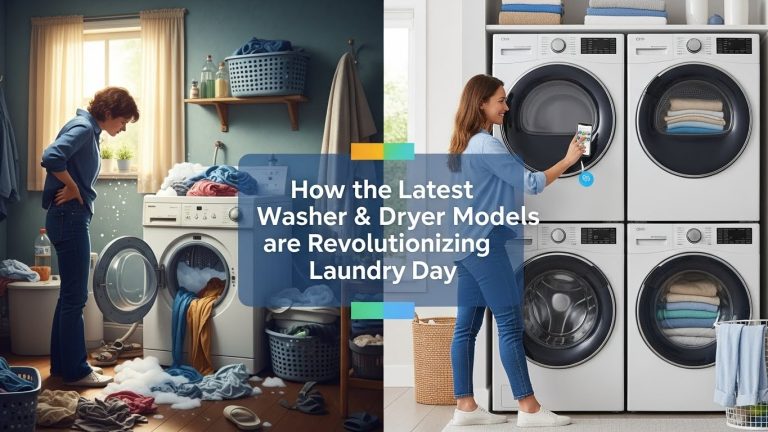
One of the most significant developments is the integration of smart technology. Modern washers now come equipped with Wi-Fi connectivity and smartphone apps, allowing users to monitor and control their laundry machines remotely. This feature ensures optimal energy usage by scheduling wash cycles during off-peak energy hours, thereby reducing electricity costs and demand on the grid. For more details on how smart technology is revolutionizing household appliances, refer to this informative resource.
Advanced Drum Technology

Another breakthrough is in drum design. Newer models utilize advanced drum technologies that enhance water extraction, reducing drying time and energy usage. These drums are designed to handle larger loads without compromising on wash quality, further contributing to energy savings. This Energy Star guide provides an excellent overview of the benefits of energy-efficient drum technology.
Breakthroughs in Energy-Efficient Dryers
Dryers, traditionally known for their high energy consumption, have also seen remarkable improvements. Manufacturers are now focusing on creating dryers that are not only efficient but also gentle on clothes.
Heat Pump Technology
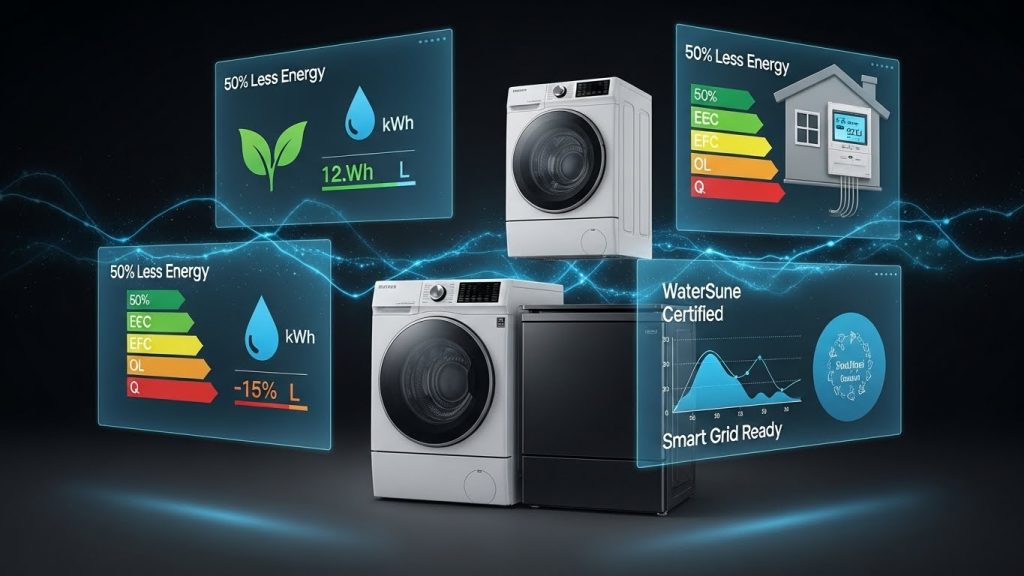
Heat pump dryers have emerged as a leading energy-efficient solution. Unlike conventional dryers that expel hot air, heat pump dryers recycle hot air within the machine, drastically reducing energy consumption. These dryers use up to 50% less energy compared to traditional models, making them a preferred choice for eco-conscious consumers. For a comprehensive understanding of heat pump technology, consider this expert analysis.
Sensor Drying Technology
Another innovative feature is sensor drying technology. By using moisture sensors, these dryers can automatically adjust drying time, preventing over-drying and reducing energy use. This technology not only saves energy but also prolongs the life of garments by minimizing wear and tear.
Environmental and Economic Benefits
The shift towards energy-efficient washers and dryers has far-reaching benefits beyond immediate energy savings. Environmentally, these appliances contribute to significant reductions in carbon emissions and water usage. Economically, they offer long-term savings on utility bills, making them a wise investment for homeowners.
Moreover, governments and environmental organizations worldwide have introduced incentive programs to encourage the adoption of energy-efficient appliances. These programs often include rebates and tax credits, further reducing the financial burden on consumers and accelerating the transition to sustainable living.
Challenges and Future Directions
Despite these advancements, the adoption of energy-efficient washers and dryers is not without challenges. The initial cost of these appliances is often higher than traditional models, which can be a barrier for some consumers. However, the long-term savings and environmental benefits typically outweigh the upfront investment.
Looking ahead, manufacturers are likely to focus on further integrating artificial intelligence into laundry appliances, refining energy efficiency, and enhancing user experience. Continuous innovation will be key to overcoming current limitations and meeting future sustainability goals.
Takeaways
The developments in energy-efficient washers and dryers represent a significant stride towards sustainable living. As technology continues to evolve, these appliances will play a crucial role in reducing household energy consumption and minimizing environmental impact. For consumers, the benefits are clear: lower energy bills, enhanced appliance performance, and a reduced carbon footprint. As we embrace these innovations, it’s essential to stay informed and make choices that align with both personal needs and environmental responsibilities.
For those interested in further exploring the topic of energy efficiency in household appliances, this valuable resource offers additional insights and guidance.
The Role of Consumer Awareness and Education
As we navigate the path toward greater energy efficiency, consumer awareness and education play pivotal roles. Many consumers may not fully understand the benefits of energy-efficient washers and dryers or how to best utilize them for maximum savings. Educational initiatives by manufacturers, environmental organizations, and government bodies are crucial to bridging this knowledge gap.
For instance, consumers can learn how to optimize their laundry habits to complement the efficiency of their appliances. Simple changes, such as washing full loads, using cold water cycles, and ensuring proper maintenance of machines, can significantly enhance efficiency and prolong the lifespan of appliances. Resources such as this energy saving guide offer practical tips and strategies for consumers aiming to reduce their energy consumption.
Design and Aesthetic Innovations
In addition to functional improvements, the design and aesthetics of washers and dryers have also evolved. Modern appliances are not only energy-efficient but also designed to fit seamlessly into the contemporary home. Sleek finishes, compact models, and customizable features allow consumers to choose appliances that align with their personal style and space requirements.
These design enhancements do not compromise on performance. Instead, they offer a holistic package that caters to both the practical and aesthetic preferences of homeowners. As a result, energy-efficient washers and dryers are becoming an integral part of modern home design, contributing to a cohesive and sustainable living environment.
Industry Trends and Predictions
Looking to the future, several trends are likely to shape the development of energy-efficient washers and dryers. The growing emphasis on smart home technology suggests that future models will offer even greater connectivity and automation. This integration will enable appliances to communicate with other smart devices, optimizing energy use across the entire household.
Moreover, the trend toward sustainable materials is expected to influence appliance manufacturing. Manufacturers may increasingly utilize eco-friendly materials and production processes, further reducing the environmental impact of these appliances. This shift could also lead to innovations in recycling and repurposing old machines, aligning with circular economy principles.
The industry is also likely to see increased collaboration between manufacturers, environmental organizations, and policymakers to establish standards and certifications that promote energy efficiency. These collaborations could lead to new benchmarks that drive innovation and encourage widespread adoption of energy-efficient technologies.
Conclusion: Embracing the Future of Energy Efficiency
In conclusion, the developments in energy-efficient washers and dryers underscore an exciting shift in the home appliance industry. As technology advances, these appliances offer a compelling combination of performance, sustainability, and style, making them an attractive choice for today’s eco-conscious consumers.
By embracing these innovations, consumers can enjoy tangible benefits such as reduced energy bills, improved appliance performance, and a smaller environmental footprint. As the industry continues to push the boundaries of what is possible, the future of energy-efficient washers and dryers holds immense promise for sustainable living.
For more detailed information on the advancements in energy efficiency and related technologies, consider exploring this comprehensive resource that delves into the intersection of technology, sustainability, and home design.
The Impact of Regulations and Standards
Regulatory frameworks and standards have a profound impact on the development and adoption of energy-efficient washers and dryers. Governments worldwide are implementing stringent energy efficiency standards to reduce national energy consumption and carbon emissions. These regulations compel manufacturers to innovate and produce appliances that meet or exceed these standards.
The U.S. Energy Information Administration provides insights into how energy policies influence the appliance market. Standards such as those set by Energy Star in the United States or similar certifications in Europe and Asia ensure that consumers have access to appliances that meet high efficiency and performance criteria. These certifications help consumers make informed decisions and encourage manufacturers to continually improve their products.
Consumer Demand and Market Dynamics
Consumer demand is a powerful driver of market dynamics in the appliance industry. As awareness of environmental issues grows, consumers are increasingly prioritizing sustainability in their purchasing decisions. This shift in consumer preferences drives manufacturers to focus on energy-efficient models, thereby influencing market trends.
The rise of environmentally conscious consumers has led to a competitive market where brands strive to differentiate themselves through innovation and sustainability. As a result, energy-efficient washers and dryers are no longer niche products but are becoming mainstream options. This trend is expected to continue as younger, environmentally aware generations become the primary consumer base.
Case Studies and Success Stories
Several case studies highlight the successful implementation of energy-efficient technologies in washers and dryers. For example, some leading brands have launched models that combine advanced sensors, motor technology, and heat recovery systems to achieve remarkable energy savings. These appliances not only meet but often exceed current efficiency standards, setting new benchmarks for the industry.
Success stories from households that have switched to energy-efficient appliances demonstrate significant reductions in energy bills and an increase in user satisfaction. These real-world examples serve as powerful endorsements for the benefits of investing in energy-efficient technology.
Conclusion: A Sustainable Path Forward
The advancements in energy-efficient washers and dryers mark a significant step towards a more sustainable future. By embracing these innovations, consumers contribute to environmental preservation while enjoying the practical benefits of modern technology. As the industry continues to evolve, the collaboration between consumers, manufacturers, and policymakers will be vital in driving further progress.
Ultimately, the commitment to energy efficiency in household appliances reflects a broader societal shift towards sustainability. As we move forward, it is essential to maintain this momentum and continue exploring new ways to reduce our environmental impact. Engaging with resources such as this global stewardship guide can provide additional insights and inspire further action in the pursuit of a sustainable lifestyle.
The future of washers and dryers is bright, with energy-efficient models leading the way in innovation and environmental stewardship. By supporting and adopting these technologies, we pave the path for a greener, more efficient world.
About the Author