Smart TVs vs. Standard Televisions: A Comprehensive Review on What’s Best for Your Home
The evolution of television technology has been nothing short of remarkable over the past decade. The once-ubiquitous standard television has witnessed a paradigm shift with the introduction of smart TVs. As the lines between traditional and smart TVs blur, consumers face a critical decision when considering their next purchase. This comprehensive review delves into the distinct features, benefits, and drawbacks of both smart and standard televisions, helping you make an informed decision about what’s best for your home.
Understanding the Basics
Before diving into the specifics, it’s essential to understand what defines a smart TV versus a standard television. A standard television, often referred to as a “dumb TV,” primarily functions as a display device for content delivered through cable, satellite, or external media devices like DVD players or gaming consoles. In contrast, a smart TV integrates internet connectivity and a variety of apps, enabling users to stream content directly from online platforms, browse the internet, and even control household smart devices.
Features of Smart TVs

Smart TVs have revolutionized the way we consume media. Here are some key features:
- Internet Connectivity: With built-in Wi-Fi and Ethernet ports, smart TVs allow users to connect to the internet, offering access to a plethora of online content.
- Streaming Services: Popular platforms like Netflix, Hulu, and Amazon Prime Video are easily accessible, providing a vast library of movies and TV shows at your fingertips. For more on streaming services, you can explore this comprehensive guide.
- App Integration: Beyond streaming apps, smart TVs offer a range of applications, including games, news, and weather services, enhancing the overall viewing experience.
- Voice Control: Many smart TVs are equipped with voice recognition technology, allowing users to control the TV and search for content using voice commands.
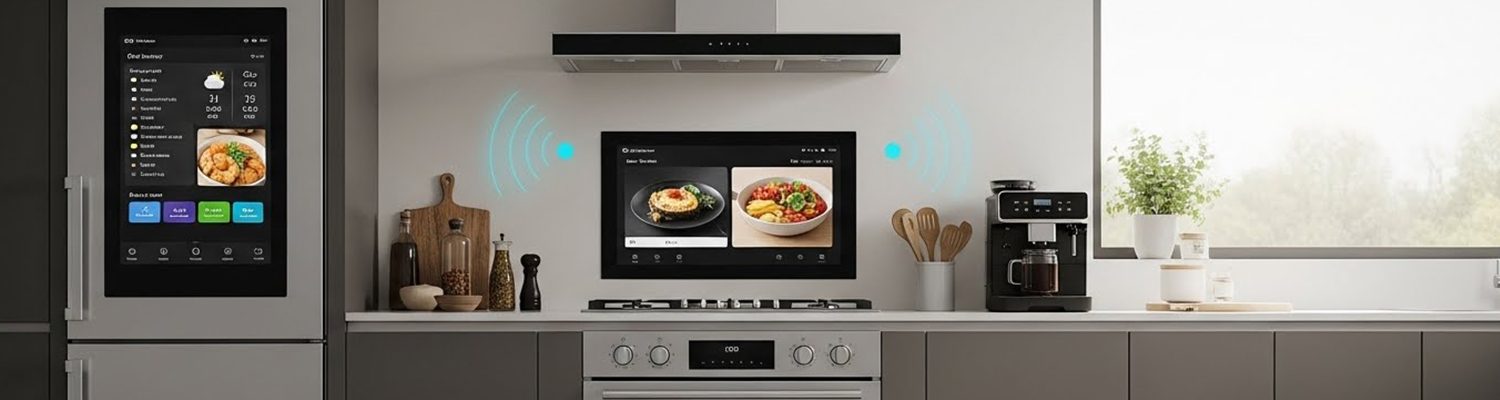
- Smart Home Integration: Some smart TVs can connect with IoT devices, acting as a hub for controlling lights, thermostats, and other smart appliances.
Advantages of Standard Televisions
While smart TVs boast numerous features, standard televisions still hold their ground in several areas:
- Cost-Effectiveness: Standard TVs are generally more affordable, making them an attractive option for budget-conscious consumers.
- Simplicity: With fewer features, standard TVs offer a straightforward setup and user experience, which can be appealing to those who prefer a no-fuss approach to television viewing.
- Fewer Privacy Concerns: Smart TVs have been scrutinized for potential privacy issues related to data collection. In contrast, standard TVs pose minimal privacy risks.
- Durability and Longevity: Without the reliance on complex software, standard TVs can often outlast their smart counterparts, which may require updates or become obsolete as technology advances.
Performance and Picture Quality
When it comes to picture quality, both smart and standard TVs offer a range of options, from HD to 4K and even 8K resolutions. The type of display technology, such as LED, OLED, or QLED, also plays a crucial role in determining image quality. Smart TVs often leverage advanced processors to enhance picture quality through features like HDR (High Dynamic Range), providing a more vibrant and lifelike viewing experience. To understand more about display technology, you might find this article insightful.
User Experience and Interface
The user interface is a critical aspect of any television. Smart TVs offer intuitive interfaces that allow easy navigation through apps and settings. The inclusion of smart remotes with features like voice search further simplifies the user experience. However, this can vary significantly between brands and models, so it’s essential to consider usability when selecting a smart TV.
In contrast, standard TVs provide a more traditional interface, often limited to basic menu options for adjusting picture and sound settings. While this simplicity might appeal to some, it lacks the interactivity and convenience of a smart TV’s interface.
Future-Proofing Your Purchase
Technology is perpetually evolving, making it challenging to future-proof your electronics. Smart TVs are at the forefront of this evolution, receiving regular software updates to introduce new features and enhance performance. However, these updates eventually cease, potentially leaving users with outdated technology. Additionally, smart TVs require consistent internet connectivity to fully leverage their capabilities.
Standard TVs, on the other hand, are less susceptible to becoming outdated since they do not rely on software updates. For consumers who prioritize longevity and minimal maintenance, a standard TV might be a wiser choice.
Making the Right Choice for Your Home
Deciding between a smart TV and a standard television ultimately depends on your individual needs and preferences. If you prioritize access to a wide range of streaming services, app integrations, and smart home connectivity, a smart TV is likely the better option. They offer unparalleled convenience and an immersive viewing experience that can elevate your home entertainment setup.
Conversely, if you prefer a straightforward viewing experience with minimal frills, a standard TV might be more suitable. They offer excellent value for money and reduce the complexity associated with modern smart devices. Additionally, they can be paired with external streaming devices—a cost-effective way to access smart features without investing in a smart TV. If you’re curious about such devices, consider reading more on this detailed comparison.
Takeaways
The decision between smart TVs and standard televisions is not a one-size-fits-all scenario. By evaluating the features, costs, and potential privacy concerns associated with each option, you can make an informed choice that aligns with your lifestyle and viewing habits. Whether you opt for the advanced capabilities of a smart TV or the simplicity and reliability of a standard TV, both have their unique benefits and can provide entertainment and joy in your home for years to come. For a comprehensive guide on choosing the right TV, you may want to refer to this resource.
Integrating with Other Technologies
One of the standout features of smart TVs is their ability to integrate seamlessly with other smart technologies within your home. As more households adopt smart home ecosystems, the compatibility of your television with other devices becomes an increasingly important consideration. Smart TVs can interact with virtual assistants like Alexa, Google Assistant, or Apple’s Siri, allowing you to control your TV and other connected devices through voice commands. This integration can streamline daily routines, such as dimming lights or adjusting the thermostat directly from your television.
For those with a preference for cutting-edge technology, investing in a smart TV that supports these integrations can future-proof your home entertainment setup. It’s worth noting that as this technology advances, the potential for even greater interconnectivity and automation continues to grow. If you’re interested in how smart TVs can fit into a broader smart home system, you might explore resources on building a smart home.
Content Availability and Access
Content accessibility is another critical factor when choosing between a smart TV and a standard television. Smart TVs provide direct access to a wide array of streaming platforms and services, which is particularly beneficial for cord-cutters who rely on internet-based content rather than traditional cable or satellite services.
However, if you prefer sticking with traditional media sources, such as cable or satellite, a standard TV can still serve your needs effectively, provided you have the necessary external devices. Many consumers opt for a hybrid approach, using a standard TV with a streaming device like Roku or Amazon Fire Stick, to enjoy the best of both worlds without committing to a smart TV. This flexibility can be particularly appealing for those who appreciate the simplicity of a standard TV but still want access to modern streaming services.
Security and Privacy Considerations
With the rise of smart technology comes a growing concern regarding security and privacy. Smart TVs, by their very nature, are connected to the internet and often equipped with cameras and microphones. This connectivity can make them susceptible to hacking and unauthorized data collection. Manufacturers typically implement security measures, but it’s essential for consumers to remain vigilant by keeping their device firmware updated and understanding the privacy settings available.
For those concerned about privacy, a standard TV may offer peace of mind, as it lacks the internet connectivity and data-sharing capabilities of a smart TV. If privacy is a top priority, you might consider learning more about privacy protection strategies.
Environmental Impact and Energy Consumption
As environmental awareness grows, many consumers are considering the energy efficiency of their electronics. Smart TVs, with their advanced processors and constant connectivity, may consume more power than standard TVs. However, many modern smart TVs are equipped with energy-saving features, such as automatic brightness adjustment and power-saving modes, which can mitigate their overall energy consumption.
Standard TVs, while generally more energy-efficient by virtue of their simplicity, do not offer the same dynamic energy-saving features. When evaluating your options, consider the energy ratings and certifications, such as Energy Star, to ensure your choice aligns with your environmental values.
Conclusion: Weighing Your Options
Ultimately, the decision between a smart TV and a standard television hinges on your specific needs, budget, and lifestyle preferences. Smart TVs offer a level of convenience and connectivity that is unparalleled, making them a compelling choice for tech-savvy individuals who embrace the latest in entertainment technology. Their ability to integrate with other smart devices and provide direct access to a multitude of streaming services can significantly enhance your home entertainment experience.
On the other hand, standard televisions remain a viable option for those who prioritize simplicity, cost-effectiveness, and privacy. They are an excellent choice for viewers who prefer traditional broadcast methods or those who are willing to use external devices to access streaming content.
By carefully considering the features, costs, and potential drawbacks of each option, you can select the television that best suits your needs. Whether you embrace the future with a smart TV or enjoy the familiarity of a standard one, your choice will contribute to creating a cozy and enjoyable viewing environment in your home.
About the Author