
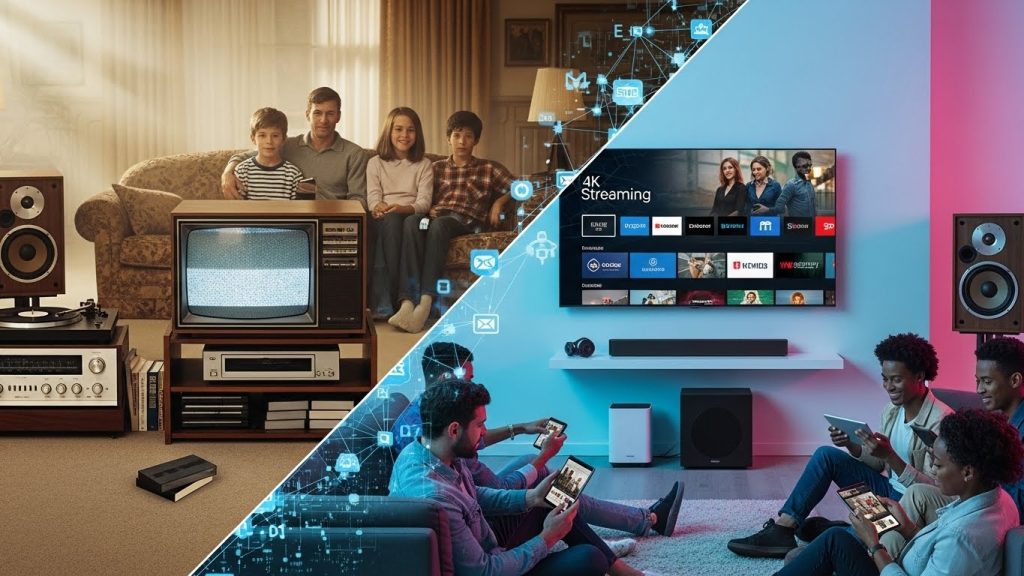
The Evolution of Streaming: How it’s Changing the TV and Home Audio Landscape
The world of entertainment has been revolutionized by the advent of streaming services. Once a niche option for tech-savvy individuals, streaming has now become the dominant mode of content consumption for millions of households worldwide. This shift has not only reshaped how we watch TV but also how we experience sound in our homes. In this blog post, we will explore the evolution of streaming and its profound impact on the TV and home audio landscape.
The Rise of Streaming Services
The journey of streaming began in the early 2000s when companies like Netflix started offering DVD rentals by mail. However, it wasn’t until 2007, when Netflix launched its streaming service, that the industry began to see significant change. Over the years, streaming platforms have proliferated, with giants like Amazon Prime Video, Hulu, and Disney+ entering the fray and offering a diverse range of content.
These platforms have revolutionized the way content is distributed and consumed. Viewers are no longer tied to cable subscriptions or broadcast schedules. Instead, they have the freedom to choose what to watch and when to watch it, leading to the era of on-demand viewing.
Impact on Television Consumption

One of the most significant impacts of streaming has been on traditional television consumption. Cable TV, once the cornerstone of home entertainment, is experiencing a decline as viewers cut the cord in favor of more flexible streaming options. According to a report by eMarketer, the number of cord-cutters in the United States alone was expected to reach 55.1 million by 2022, highlighting a significant shift in viewing habits.
Streaming services offer a plethora of choices, from binge-worthy series and blockbuster movies to niche documentaries and user-generated content. This abundance of content has led to a more personalized viewing experience, where algorithms suggest shows and films based on individual preferences.
The Evolution of Home Audio
While streaming has transformed how we watch TV, it has also had a profound impact on home audio systems. With the rise of smart speakers and soundbars, streaming audio has become more accessible than ever. Platforms like Spotify and Apple Music have become household names, offering vast libraries of music that can be streamed directly to home audio devices.
The integration of voice assistants, such as Amazon Alexa and Google Assistant, into home audio systems has further enhanced the streaming experience. Users can now control their audio environments with simple voice commands, making it easier to play music, adjust volume, or switch between playlists without lifting a finger.
Challenges and Opportunities for Content Creators
The evolution of streaming presents both challenges and opportunities for content creators. On one hand, the democratization of content distribution allows independent filmmakers, musicians, and creators to reach global audiences without the need for traditional gatekeepers like studios or record labels. Platforms like YouTube and Twitch have given rise to a new generation of influencers and content creators who can monetize their work through ad revenue and fan support.
On the other hand, the sheer volume of content available on streaming platforms can make it difficult for creators to stand out. The competition is fierce, and breaking through the noise requires not only talent but also savvy marketing strategies and an understanding of platform algorithms.
The Future of Streaming
As technology continues to advance, the future of streaming looks promising but also uncertain. The next frontier in streaming could be the integration of virtual and augmented reality, offering even more immersive viewing and listening experiences. The potential for interactive content, where viewers can influence the storyline or outcome, is also an exciting possibility.
Moreover, with the advent of 5G technology, streaming quality and speed are expected to improve significantly, reducing buffering times and enhancing the overall user experience. This could pave the way for more live streaming events, such as concerts and sports, bringing them directly into our living rooms in real-time.
Takeaways
The evolution of streaming has undoubtedly transformed the TV and home audio landscape. What began as a convenient alternative to physical media has now become the primary mode of content consumption for many. As streaming technology continues to evolve, it will be fascinating to see how it reshapes our media consumption habits and the opportunities it presents for creators and consumers alike.
In conclusion, the world of streaming offers a dynamic and ever-changing environment that continues to challenge traditional entertainment norms while providing exciting new possibilities. As we look to the future, one thing is certain: streaming is here to stay, and its impact on our lives will only grow more profound.
The Role of Data Analytics in Streaming
Data analytics is a cornerstone in the evolution of streaming services. By leveraging vast amounts of user data, platforms can tailor their offerings to suit individual preferences, enhancing the user experience. This data-driven approach allows streaming platforms to provide personalized recommendations, which not only keeps viewers engaged but also increases the time spent on the platform.
For example, Netflix’s recommendation algorithm is a sophisticated system that analyzes viewing habits, search queries, and even the time of day users are most active. This information is used to suggest content that aligns with users’ tastes, making it more likely for them to find something they enjoy quickly.
Moreover, data analytics helps platforms understand broader viewer trends, enabling them to make informed decisions about content acquisition and production. This insight has led to the creation of original content specifically tailored to audience demands, allowing streaming services to differentiate themselves from competitors.
Streaming and Content Licensing
The relationship between streaming platforms and content licensing is another critical aspect of the industry. Initially, streaming services relied heavily on licensed content from studios and networks. However, as competition has increased, many platforms have shifted focus towards producing exclusive original content to attract and retain subscribers.
This change has led to a surge in original programming, with platforms like Disney+ producing hits such as “The Mandalorian” and Netflix investing in a range of genres and formats to cater to diverse audiences. This strategy not only helps in creating a unique library of content but also reduces dependency on third-party licenses, which can be costly and subject to expiration.
Challenges in Streaming Infrastructure
Despite its success, streaming faces several technical challenges, particularly in terms of infrastructure. The demand for high-quality video and audio streaming places significant pressure on internet service providers and content delivery networks (CDNs). Ensuring seamless streaming without interruptions requires robust infrastructure capable of handling high traffic volumes, especially during peak times.
To address these challenges, many streaming services invest in their own CDNs or partner with established ones to optimize delivery efficiency. This ensures that content is delivered quickly and reliably to users, even in regions with less developed internet infrastructure. Additionally, advancements in compression technologies help reduce the bandwidth required for streaming high-definition content, further improving accessibility.
The Impact of Streaming on Consumer Behavior
Streaming has not only altered how content is consumed but also how it is perceived by consumers. The convenience of watching anywhere, anytime, has led to a more casual viewing culture where viewers can pause, rewind, or skip content at will. This flexibility has shifted the focus from appointment viewing, where audiences would tune in at a specific time, to on-demand consumption.
This change in behavior has also influenced content formats. Shorter episodes and series designed for binge-watching have become more prevalent, catering to the preferences of modern viewers who often prefer consuming content in large chunks.
Environmental Considerations and Streaming
As streaming continues to grow, so does its environmental impact. Data centers and CDNs require significant energy to operate, contributing to carbon emissions. Streaming companies are increasingly aware of their environmental footprint and are taking steps to mitigate it. Some are investing in renewable energy sources to power their operations, while others are improving the energy efficiency of their data centers.
Consumers, too, are becoming more conscious of the environmental impact of their streaming habits. This awareness could influence future consumption patterns, potentially driving demand for more sustainable streaming solutions.
Takeaways
The evolution of streaming has been a game-changer in the TV and home audio landscape, offering unprecedented access to a vast array of content while redefining consumer expectations and behaviors. As streaming technology continues to advance, it brings both opportunities and challenges to the forefront of the entertainment industry.
Looking ahead, the future of streaming will likely involve further integration of cutting-edge technologies, enhanced personalization through data analytics, and a continued focus on sustainability. As viewers and creators navigate this dynamic landscape, one thing remains clear: streaming has fundamentally transformed the way we experience entertainment, and its influence will only continue to expand.
About the Author