The Future of Television: Exciting Developments in TV Technology for 2022
The television industry has been a cornerstone of entertainment for decades, continually evolving to meet the demands of consumers. From black-and-white screens to color, and from cathode ray tubes to flat screens, the pace of technological advancement in TV technology has been nothing short of remarkable. As we delve into 2022, several exciting developments promise to redefine the way we experience television. This article explores the future of television, highlighting the technological innovations that are set to shape the industry.
1. The Rise of 8K Resolution
One of the most significant advancements in TV technology is the rise of 8K resolution. With four times the number of pixels as 4K, 8K TVs offer a level of detail and clarity that was previously unimaginable. This enhancement allows for more immersive viewing experiences, making it possible to see even the smallest details with stunning clarity.
Despite the limited availability of 8K content, manufacturers are investing heavily in this technology. Brands like Samsung, LG, and Sony are leading the charge, developing new models and technologies to make 8K TVs more accessible to consumers. As content creators begin producing more 8K content, this resolution is expected to become the new standard in home entertainment.
2. OLED and QLED: The Battle of Display Technologies
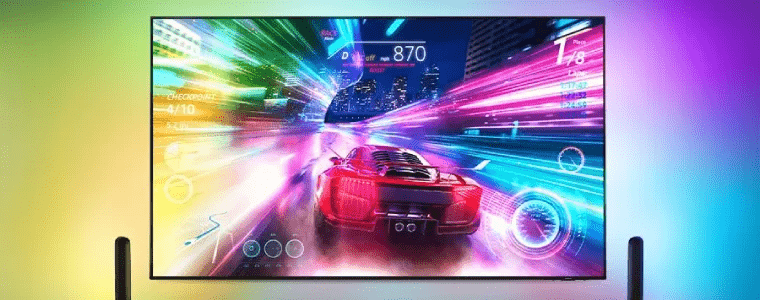
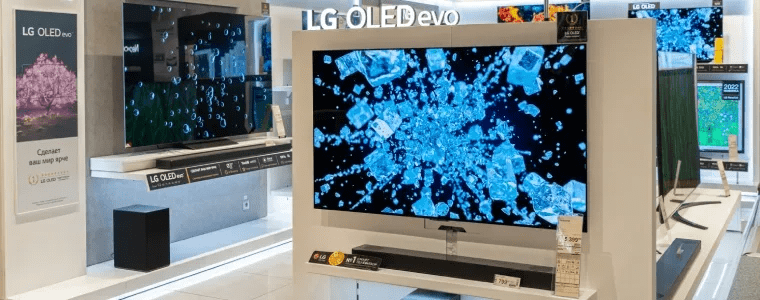
OLED (Organic Light Emitting Diode) and QLED (Quantum Dot LED) technologies have been at the forefront of the display technology battle. OLED panels are known for their deep blacks and superior contrast ratios, providing an unparalleled viewing experience. On the other hand, QLED technology, primarily championed by Samsung, offers brighter displays and a wider color gamut, making it ideal for well-lit rooms.
In 2022, both technologies are expected to see significant advancements. OLED displays are becoming more affordable, and manufacturers are working to improve their brightness levels. Meanwhile, QLED technology continues to evolve, with innovations enhancing color accuracy and reducing energy consumption. As both technologies develop, consumers will have more options tailored to their viewing preferences.

3. The Integration of Artificial Intelligence and Smart Features
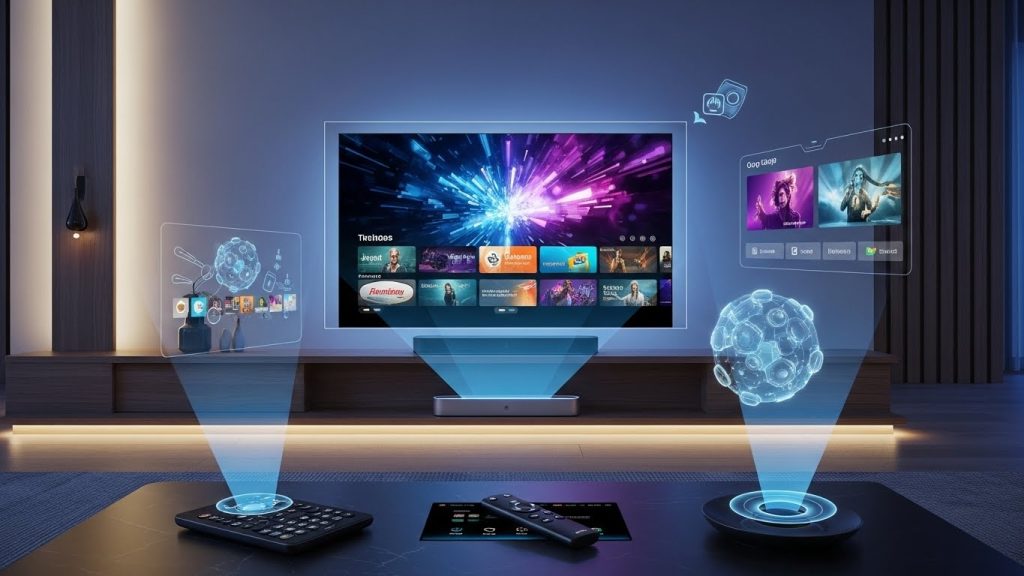
Artificial Intelligence (AI) is transforming how we interact with our televisions. Smart TVs equipped with AI technology can now learn user preferences, recommend content, and even adjust picture settings automatically for optimal viewing experiences. AI-powered voice assistants, such as Amazon Alexa and Google Assistant, are increasingly being integrated into TVs, allowing for hands-free control of various functions.
This year, we can expect further integration of AI in TVs, enhancing user experience and convenience. The trend towards smart homes means that TVs are becoming more than just entertainment devices; they are central hubs for controlling other smart appliances and devices. As AI technology advances, it will play a crucial role in personalizing and enhancing our viewing experiences.
4. The Emergence of Flexible and Rollable Displays
Flexible and rollable displays are among the most exciting innovations in TV technology. These displays offer unprecedented versatility and design possibilities, allowing TVs to seamlessly integrate into various living environments. LG’s rollable OLED TV, for example, can roll up and down at the touch of a button, making it a perfect solution for spaces where a traditional TV might be intrusive.
In 2022, we anticipate more manufacturers entering the flexible display market, with advancements that could lead to even more creative and practical applications. This technology’s potential extends beyond home entertainment, with possibilities in commercial and public spaces, making it a critical area of development.
5. Enhanced Sound Technologies
While picture quality often takes center stage, sound technology is equally important in creating an immersive viewing experience. Recent developments in sound technology, such as Dolby Atmos and DTS:X, provide three-dimensional audio experiences that make viewers feel like they are part of the action.
In 2022, we can expect further refinements in sound technology, with more TVs incorporating advanced audio systems. Enhanced soundbars and speaker systems, often developed in partnership with leading audio brands, are becoming standard features in high-end TVs. These advancements ensure that sound quality matches the exceptional visuals of modern displays.
6. The Growth of Streaming Services and Original Content
The growth of streaming services has been a game-changer for the television industry. Platforms like Netflix, Disney+, and Amazon Prime Video have revolutionized how we consume content, providing on-demand access to a vast library of films and TV shows. In response, traditional broadcasters are investing in their streaming platforms to compete in this rapidly changing landscape.
In 2022, we expect the competition among streaming services to intensify, with more platforms launching original content to attract subscribers. This surge in original content will provide viewers with more diverse and high-quality programming, further driving the demand for advanced TV technologies that can deliver these experiences in the best possible way.
7. The Influence of the Metaverse
The concept of the metaverse is gaining traction, and its influence is beginning to be felt in the television industry. As a virtual shared space that combines physical and digital realities, the metaverse offers new possibilities for interactive and social TV experiences. TVs are becoming portals to these virtual worlds, enabling interactive content and social viewing experiences that were previously only imagined.
In 2022, we can expect further exploration of how the metaverse can enhance television experiences. This includes interactive shows, virtual reality integrations, and social features that allow viewers to engage with content and each other in novel ways. The metaverse’s potential impact on television is vast, offering exciting opportunities for innovation and engagement.
Takeaways
The future of television is bright, with numerous technological advancements set to transform the way we experience entertainment. From the stunning clarity of 8K resolution to the innovative possibilities of flexible displays and the immersive potential of the metaverse, these developments are poised to redefine television in 2022 and beyond. As these technologies continue to evolve, consumers can look forward to richer, more engaging, and more personalized viewing experiences.
As we embrace these exciting developments, the television industry will undoubtedly continue to innovate, providing endless possibilities for how we consume and interact with media. The future of television is not just about watching; it’s about experiencing entertainment in ways that are more dynamic, interactive, and personalized than ever before.
8. Sustainability and Eco-Friendly Innovations
As environmental concerns become increasingly pressing, the television industry is taking steps to become more sustainable. Manufacturers are focusing on eco-friendly innovations such as energy-efficient displays, recyclable materials, and sustainable production processes. These efforts aim to reduce the carbon footprint of TVs, making them more environmentally friendly without compromising performance.
In 2022, expect to see more TVs designed with sustainability in mind. This includes the use of recycled materials in TV components and packaging, as well as energy-saving features that reduce power consumption. Some companies are even exploring the possibility of carbon-neutral production processes, setting new standards for sustainability in the electronics industry. These advancements not only benefit the environment but also appeal to eco-conscious consumers who prioritize sustainability in their purchasing decisions.
9. Personalized Viewing Experiences
With the advent of advanced data analytics and AI technologies, personalized viewing experiences are becoming more prevalent. TV manufacturers and streaming platforms are leveraging user data to curate content recommendations tailored to individual preferences. This trend is transforming television from a passive to an interactive medium, providing viewers with content that resonates with their unique tastes.
In 2022, personalization will continue to evolve, offering viewers bespoke content experiences. This includes not only recommendations but also customized interfaces and interactive features that cater to individual viewing habits. The ability to personalize content delivery enhances viewer engagement and satisfaction, making television a more enjoyable and relevant experience.
10. The Impact of 5G Connectivity
The rollout of 5G connectivity is set to have a profound impact on the television industry. With its high speed and low latency, 5G enables seamless streaming of high-resolution content, including 4K and 8K video. This technology enhances the quality and reliability of streaming services, providing viewers with smoother and more immersive experiences.
In 2022, the integration of 5G in TVs and streaming devices will further revolutionize home entertainment. The increased bandwidth and reduced buffering times facilitate real-time streaming of live events, interactive gaming, and virtual reality experiences. As 5G networks expand globally, they will play a crucial role in shaping the future of television, ensuring that high-quality content is accessible to viewers anytime, anywhere.
11. Social TV and Interactive Content
The demand for social and interactive content is growing, driven by the rise of social media and digital interactivity. Social TV integrates social networking features into television programming, allowing viewers to interact with content and each other in real-time. This trend is reshaping how audiences engage with television, blending traditional viewing with social connectivity.
In 2022, expect to see more programming that incorporates interactive elements and social features. This includes live polls, viewer comments, and interactive storytelling that allows audiences to influence the outcome of shows. These innovations provide a more engaging and participatory viewing experience, transforming television from a one-way broadcast to a dynamic, two-way interaction.
12. The Role of Virtual Reality and Augmented Reality
Virtual Reality (VR) and Augmented Reality (AR) have been on the horizon as transformative technologies for the television industry. These technologies offer immersive experiences that transport viewers into the heart of the action, providing perspectives and interactivity that traditional TV cannot match.
In 2022, the integration of VR and AR in television is set to expand, with applications ranging from immersive sports broadcasts to virtual reality travel shows. Viewers will have the opportunity to explore environments and narratives in ways that were previously impossible. As VR and AR technologies become more accessible, they will continue to break new ground in how we experience television content.
Conclusion: Embracing the Future of Television
The television industry stands at the cusp of a transformative era, driven by groundbreaking technological advancements. From the rise of 8K resolution to the integration of AI and the promise of interactive, social, and sustainable innovations, the future of television is poised to offer richer, more immersive, and more personalized viewing experiences.
As these technologies continue to evolve in 2022 and beyond, they will redefine what television means, expanding its role from a mere entertainment device to a central element of our connected homes and digital lives. Embracing these developments will not only enhance how we consume content but also open new dimensions for creativity and interaction in the world of television.
About the Author