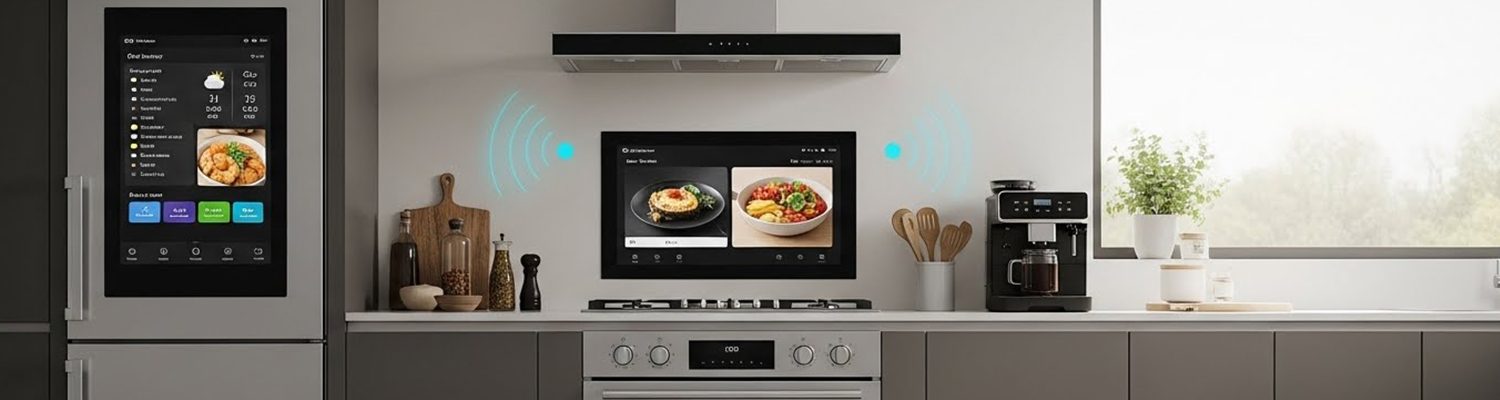

Modern Brazilian kitchen with smart, energy-efficient appliances
Updated: April 9, 2026
This report captures Home Appliances Brazil as the country transitions from basic appliances to a growing ecosystem of energy-efficient, connected options that align with rising urban living standards and shifting household budgets.
Market Dynamics in Brazil’s Home Appliances
The Brazilian market for home appliances remains shaped by a mix of affordability, energy costs, and evolving consumer expectations. Middle-class households are increasingly swapping older washers, refrigerators, and ovens for models that blend efficiency with convenience. Demand is strongest in metro areas where reliable electricity, stable income, and access to after-sales support make larger purchases feasible. At the same time, price sensitivity persists, pushing retailers to emphasize value bundles, extended warranties, and financing options. In this dynamic, manufacturers pursue models that reduce running costs, minimize noise, and simplify maintenance, all while offering smart features that promise better control and remote monitoring.
Local manufacturing capacity, logistics, and service networks play a crucial role in shaping availability and price. A resilient, domestically rooted supply chain helps mitigate shocks from currency volatility, import delays, or extreme weather events, which have intermittently disrupted supply in Brazil. Analysts expect investment in assembly lines, component sourcing, and digital retail partnerships to continue, reinforcing a shift from pure import models to blended, localized production that can adapt to regional preferences.
Supply Chains and Local Investment
Brazilian policy and investor confidence are converging around greater domestic production of large appliances. The most visible signal recently came from LG’s announcement of a substantial factory investment in Brazil, estimated at about 1.5 billion reais. Projects of this scale typically aim to create thousands of jobs, support local suppliers, and produce equipment close to major markets, reducing lead times and import exposure. In reported terms, the operation is expected to employ around 1,000 people and to manufacture thousands of refrigerators annually, contributing a meaningful share of a market estimated in the tens of billions of reais. Such initiatives also test the capacity of the domestic logistics network to absorb higher volumes and test the resilience of energy and distribution infrastructure in different regions.
Beyond finance, the footprint and scope of these plants influence where design and after-sales services converge with consumer demand. When a factory anchors itself in a region, it often spurs secondary investment—from refrigeration component suppliers to local training programs—that can lift whole communities and expand the reach of regional brands. The broader effect is a more diversified, less import-reliant ecosystem that can better accommodate weather-related disruptions and currency swings that have characterized Brazil’s trade environment in recent years.
Energy Efficiency, Smart Homes, and Local Adoption
Energy-labeling regimes, standards-setting bodies, and financing options shape the pace at which households adopt energy-efficient and connected devices. Brazilian consumers increasingly weigh long-term savings against upfront costs, particularly as electricity prices trends evolve and household budgeting tightens. Smart refrigerators, connected HVAC controls, and internet-enabled lighting offer the promise of optimized energy use, remote diagnostics, and proactive maintenance, but adoption hinges on easy installation, robust reliability, and accessible customer service. Retailers and manufacturers that emphasize lifecycle costs, warranty coverage, and seamless compatibility with popular platforms stand to gain trust in a market that values both practicality and convenience.
Policy levers—tariff policies, tax incentives, and public-private partnerships—can accelerate this transformation by subsidizing efficiency upgrades or financing smart-home bundles. In a country with a continental footprint and varied grid reliability, the ability to integrate appliances with microgrid strategies and demand-response programs can unlock better resilience for households and communities alike.
Actionable Takeaways
- Manufacturers should prioritize localized assembly with transparent energy-labeling compliance, ensuring parts availability and after-sales service to reduce ownership friction.
- Retailers can drive adoption by offering affordable financing, bundled warranties, and demonstrations that highlight real-life energy savings and ease of use.
- Policymakers may consider targeted incentives for energy-efficient appliances and support for domestic suppliers to strengthen the local ecosystem against global shocks.
- Consumers should compare total cost of ownership, favoring energy-efficient, smart-enabled models that align with long-term savings and home automation goals.