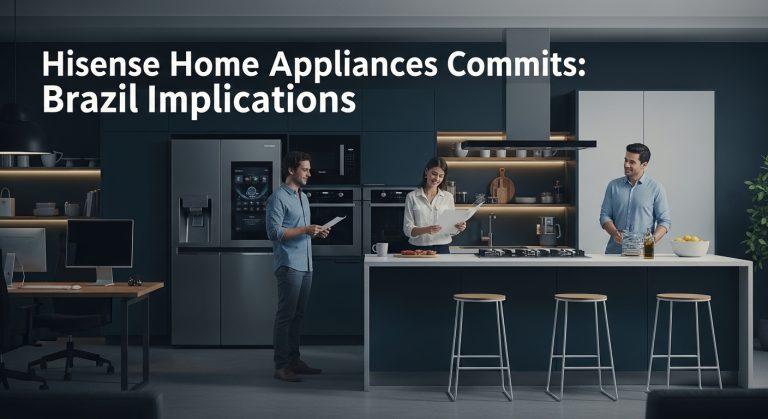

Brazilian living room with smart appliances and urban backdrop
Updated: April 9, 2026
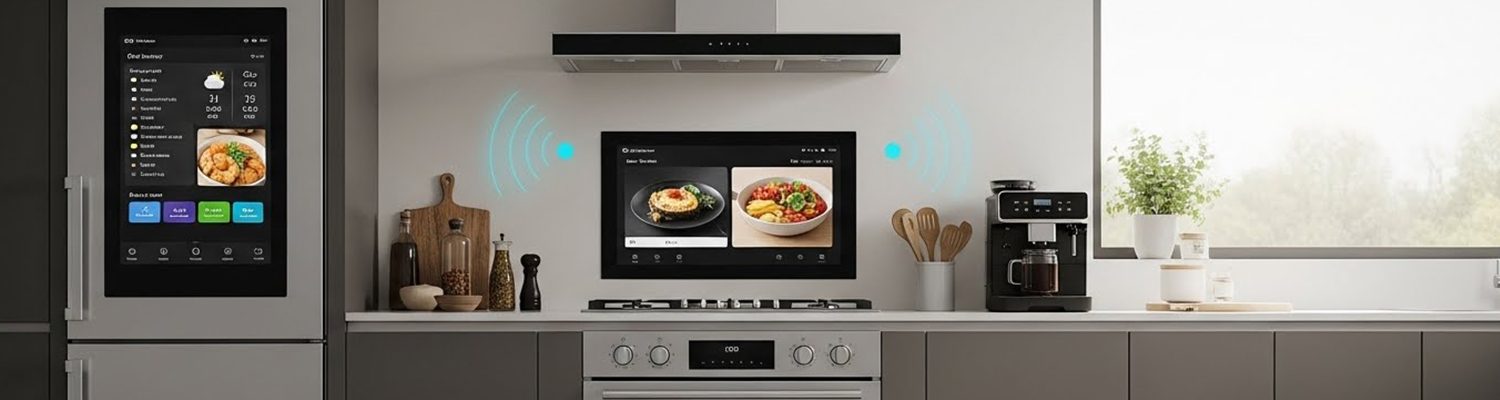
In Brazil, more Home Appliances Brazil adoption reshapes households, prompting a shift from basic, rarely connected devices to energy-aware, connected ecosystems. This trend sits at the intersection of rising electricity costs, urban living patterns, and a growing appetite for control over climate, security, and food preservation in homes across the country. Consumers increasingly weigh long-term savings against upfront prices, while retailers and manufacturers respond with models that blend practicality, reliability, and digital convenience. The result is a market that looks less like a collection of stand-alone appliances and more like an integrated system designed to reduce waste, optimize energy use, and support flexible lifestyles in a country with diverse climates and housing contexts.
Market dynamics shaping consumer choices
The Brazilian home appliance market is expanding beyond the kitchen and laundry room into spaces such as home offices, balconies, and compact living areas. In large urban centers, apartment dwellers increasingly favor compact, modular devices with higher energy efficiency and smart features that can be controlled via smartphones. This has two practical effects: first, households can approximate the benefits of larger, more capable appliances without overhauling living spaces; second, retailers and lenders emphasize financing plans tied to energy savings, offsetting higher upfront costs with long-run bills that look more predictable. Consumers are also learning to compare life-cycle costs, where a premium for inverter motors or intelligent cooling can pay back quickly through lower electricity bills and reduced maintenance needs. The upshot is a market that rewards knowledge and planning as much as bargain pricing, nudging households toward a longer horizon in both purchase decisions and usage habits.
Energy costs, grid reliability, and appliance efficiency
Brazil’s electricity landscape features regional variability in tariffs, generation mix, and grid reliability. In this context, energy efficiency becomes a practical proxy for household resilience: appliances with energy labels, inverter-driven compressors, and better insulation lead to steadier monthly bills and less stress during peak demand periods. Consumers are learning to prioritize white goods that minimize idle and standby power, as well as smart devices that optimize cooling cycles, water heating, and laundry loads. Industry observers note retailers increasingly promote energy-saving modes, longer warranty periods for durable, repairable components, and after-sales support that reduces total owning costs. For homeowners, the decision calculus blends comfort, cost, and environmental considerations, with the latter gaining more salience as climate awareness grows and urban energy use concentrates in dense neighborhoods.
Policy, data, and consumer trust
Policy signals around labeling, product safety, and recycling shape both supply and demand. Inmetro and other regulatory bodies have strengthened frameworks that guide appliance efficiency ratings and product disclosures, helping buyers forecast long-term savings. Data privacy and security concerns accompany the rise of connected devices, prompting manufacturers to design with clearer consent, robust updates, and transparent data practices. Consumers, in turn, increasingly demand reliable warranties and accessible repair networks, recognizing that repairs can extend product life and reduce waste. The result is a more mature market in which legitimate performance claims, repairability scores, and service quality become differentiators as much as price. For Brazil, this alignment between policy, retailer behavior, and consumer expectations is essential to sustain growth in a sector that directly touches daily life and household budgets.
Lifecycle, e-waste, and circular economy
As more households adopt connected and high-efficiency appliances, waste and end-of-life management rise as visible concerns. The Brazilian context includes informal recycling channels and fragmented e-waste infrastructure, making it imperative for manufacturers and retailers to integrate take-back schemes, responsible disposal, and consumer education into product use. The push toward circular economy practices is not only environmentally prudent but economically sensible: recycled materials and refurbished components can lower the total cost of ownership and create new service-based revenue streams for providers. Companies that lead with repairability, spare parts availability, and modular upgrades can extend product lifespans, reduce environmental impact, and build trust with customers who want to minimize waste without sacrificing modern conveniences.
Actionable Takeaways
- Consumers: Prioritize appliances with clear energy labels, inverter technology, and modular repairability to balance upfront cost with long-term savings.
- Households: Plan purchases with seasonal promotions and consider total cost of ownership, including expected energy savings and maintenance needs.
- Retailers: Offer financing aligned with energy-saving benefits, provide accessible warranties, and educate customers on usage optimization and repair options.
- Policy makers: Strengthen labeling rules, support e-waste collection programs, and incentivize design for longevity and repairability to reduce waste.
- Installers and service providers: Emphasize professional installation, proper sizing, and post-installation maintenance to maximize efficiency gains and appliance lifespan.
Source Context
Reference materials and background discussions consulted for this analysis include contemporary reporting on related regional issues and market trends:
- Barron’s: More Rain Lashes Southeast Brazil As Death Toll Hits 54 — context on regional disruption that can influence consumer priorities and infrastructure planning.
- openPR: Brazil E-Waste Management Market 2026 — notes on waste management implications that resonate with appliance lifecycles.
- Channels Television: More Rain Lashes Southeast Brazil — broader climate context relevant to energy and infrastructure planning in homes.